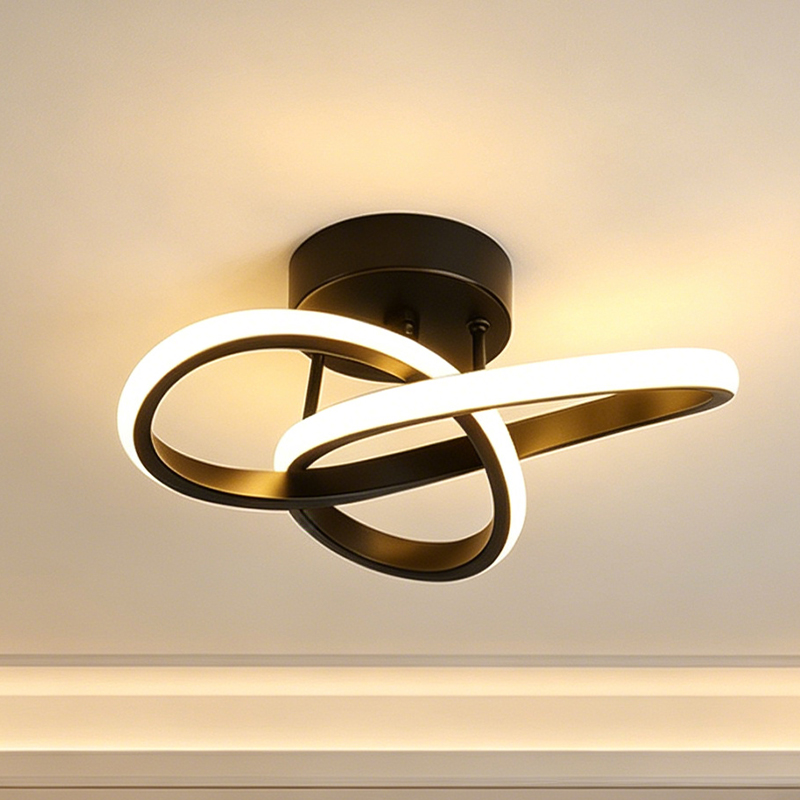
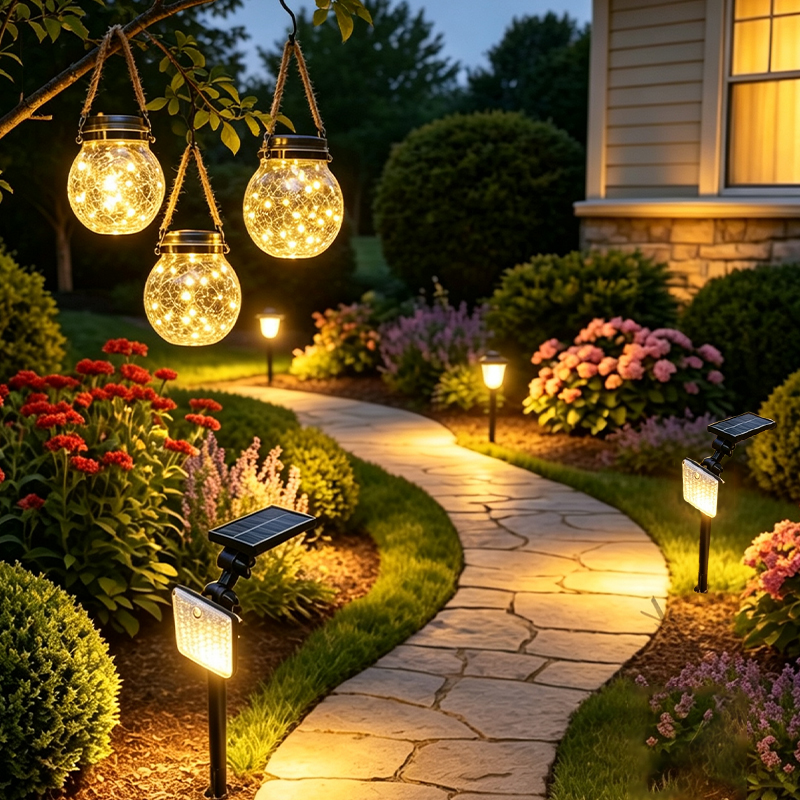
Choosing Quality Floor Lights for Commercial Spaces

application/floor-lights, application/floor-lights, 
Inquiry
Inquiry

floor lights

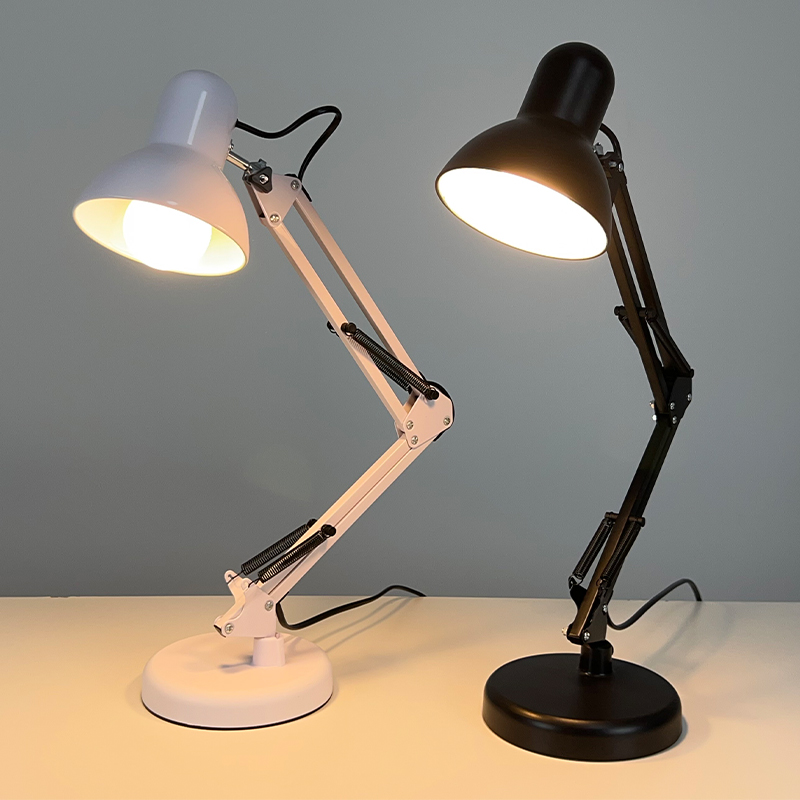
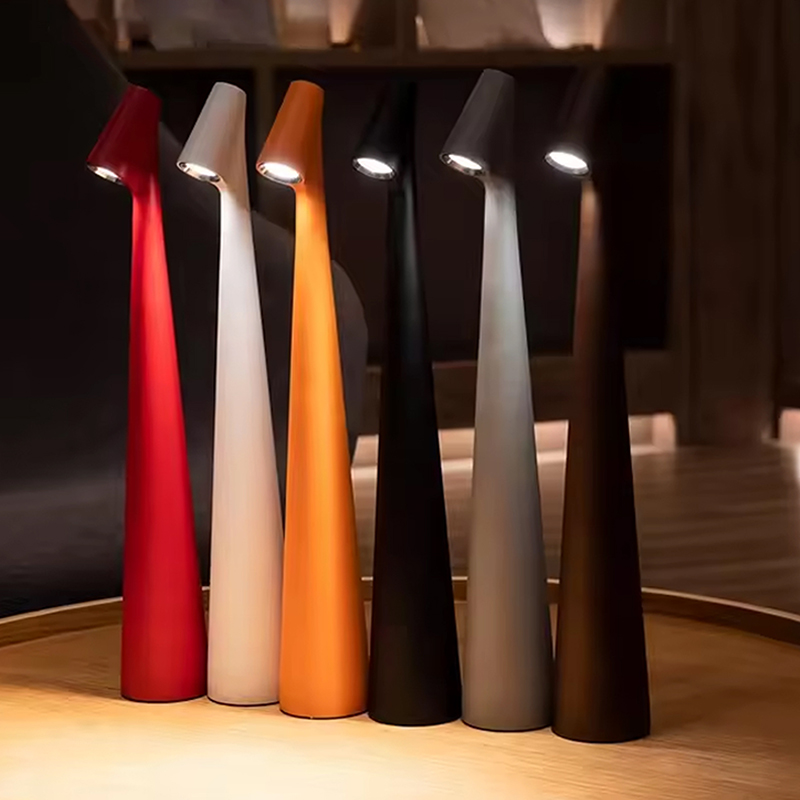
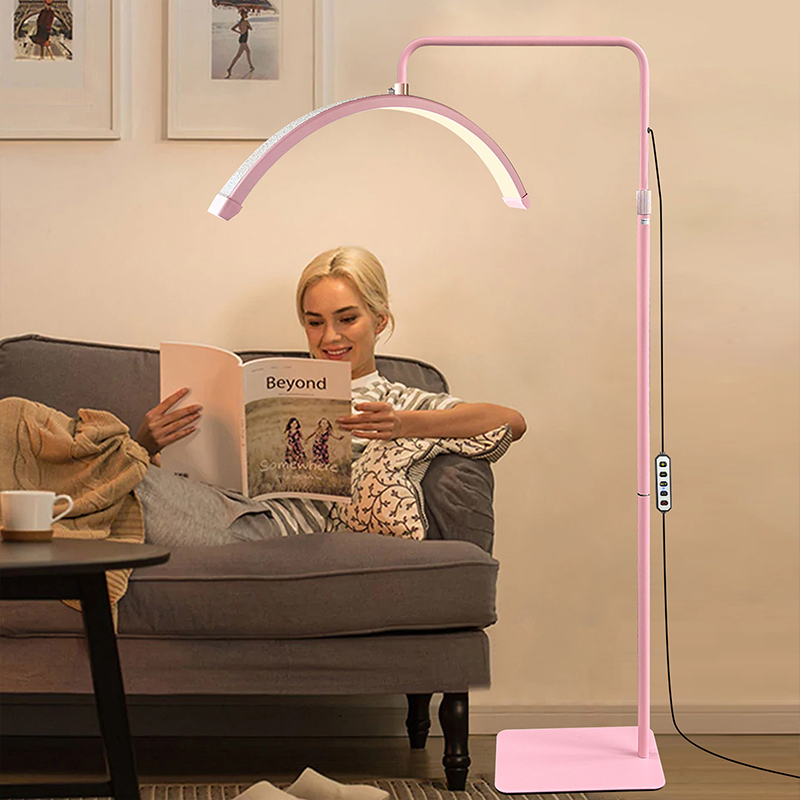
When selecting  floor lights for commercial spaces, it's essential  to  consider a variety  of  factors, including functionality, design, and energy efficiency. Floor lights  not only enhance the  aesthetic appeal  of an area but also provide essential illumination for safety and productivity. For  purchasing managers, engineers, and product managers, understanding the  specific  requirements and options  available in floor  lighting is critical. This  article will help you  navigate the  complexities of sourcing and selecting floor  lights that meet  your project needs  effectively.

 

How to Source Quality Products

Sourcing quality floor lights  involves researching and evaluating potential suppliers effectively.  Start by  identifying manufacturers, such as iGUANGZHOU I-ESSENCE  ELECTRIC  CO., LTD., which specializes  in compliant lighting solutions. Look for  companies with relevant industry certifications, such as CE, UL, and TUV/BSCI management, which indicate adherence  to  safety and quality  standards.

Request samples to evaluate the  product firsthand. This step is crucial as  it  allows you to assess the build quality, finish, and functionality  of the lights. During this phase, pay attention to details like the materials used, as they can significantly impact durability and performance.

Additionally, consider  the  supplier’s manufacturing capabilities. A  reputable manufacturer will  have  robust quality control processes in place and can provide information about their production equipment and capacity. This information can assure you that they can fulfill  your order requirements consistently and on time.

Specifications to Consider When Buying Floor Lights

When evaluating floor lights, there  are several specifications  that you should  pay close attention to:

Lumens and Wattage:  Understand the relationship between  lumens (light  output) and wattage (energy  consumption). Opt for lights that provide adequate brightness while minimizing energy use. Color Temperature: The color temperature, measured in Kelvin (K), affects the ambiance of the  space. Warmer temperatures  (2700K-3000K) create a cozy atmosphere, while cooler temperatures (4000K-5000K) are more energizing and suited  for work environments. Material Quality: The materials used in  the  construction of the lights should be durable  and suitable  for the intended environment. For example, lights  in high-humidity areas might  require rust-resistant materials.  Mounting and Installation Options: Ensure the  floor lights can be easily  installed in your intended space. Some lights may require special mounting hardware or additional structural support. 

Confirming these specifications with your supplier will help avoid potential issues during installation and use.

Installation Guidance for Commercial Floor Light Solutions

Proper installation of floor lights is critical to ensure they perform as  intended. Begin by  reviewing the manufacturer’s installation instructions carefully. Here are some  key points to consider:

Location and  Spacing: Proper placement and spacing between fixtures  can significantly affect the lighting quality. For commercial spaces, consider  both the functional and aesthetic aspects, arranging lights to eliminate shadows  and provide uniform illumination. Electrical Requirements:  Ensure that  the electrical system in your facility can support the  new  lighting. This may involve consulting with a licensed electrician to confirm  load capacities and wiring requirements. Testing Post-Installation: Once installed, test the  lights to ensure they operate correctly.  Check for any  flickering, uneven  lighting, or compatibility issues with  existing electrical systems.

If customization is required for  specific applications, communicate these needs  to your  supplier early in the process to ensure compliance and functionality.

Cost Factors to Consider When Purchasing Floor Lights

The cost of floor lights can  vary widely based on  several  factors:

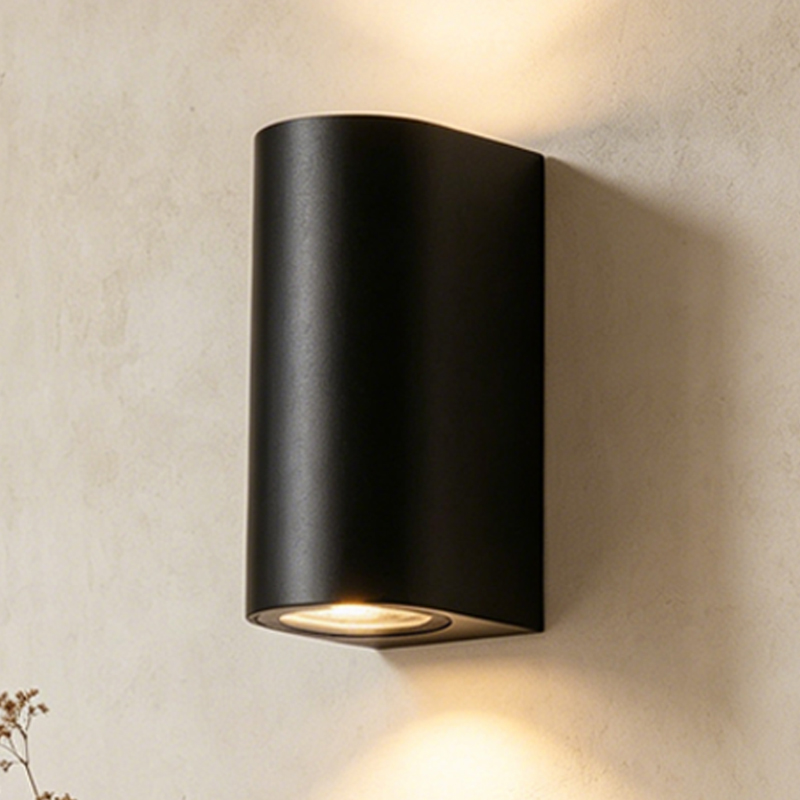
Material  and Design: High-quality materials and custom designs will generally increase the cost. Consider the long-term benefits of  investing in durable products that can withstand  wear and tear. Energy Efficiency: While LED lights might have a higher upfront cost, their energy  efficiency and  longevity often result in lower  long-term operational costs. Factor in potential savings on  electricity bills when evaluating options. For example, options like the LED Wall Light IP65 Crystal Outdoor Exterior Modern are great for energy savings. Volume and Customization:  If you're ordering in bulk, inquire about minimum order quantities  (MOQ) and bulk pricing  discounts. Customization may also affect pricing, so  be clear about your specific requirements when requesting quotes.

Taking  these factors into account will help you budget effectively and avoid unexpected expenses during the procurement process.

By understanding these elements, purchasing managers and decision-makers can make informed  choices  that align with their project goals and ensure successful outcomes in  their  lighting installations.


Choosing the Right Floor Lights for Your Project Needs

When choosing floor lights, the first step is  to define the purpose of  the lighting in your project. Are you illuminating a retail  space, enhancing office ambiance, or providing safety  features  in  a warehouse? Understanding the application is crucial, as it can dictate the type  of fixture, brightness, and energy  efficiency required.

Consider the  design elements as well. Floor lights come in various styles, from sleek modern designs to  more traditional looks.  The choice of style can influence  both the functionality and the overall aesthetic of the  space. Additionally, you  should evaluate the lighting technology—LED, fluorescent, or incandescent options  all have different energy usages, lifespans, and  light outputs. For instance, LED options like the IP65 Waterproof LED Wall Light 12W Up Down Outdoor Aluminum Sconce are both energy-efficient and durable.


Lastly, keep in mind the regulatory  requirements for lighting in your specific environment. Compliance with local  regulations and certifications (like CE or UL) ensures that  the products meet safety and performance standards, which is particularly important for large-scale installations.

Frequently Asked Questions

What types of floor lights do you manufacture?

We produce a range of floor lights including LED standing lamps, adjustable reading lamps, dimmable models, and decorative ambient designs suitable for homes and retail projects.
Yes. Our floor lights meet CE, UL and ERP standards, and our facilities follow TUV and BSCI management practices to ensure compliance and quality.
Yes. We offer customization for finishes, color temperature, wattage, and private-label branding to meet retailer or project requirements.
Lead time varies by order size and customization but typically ranges from 4–8 weeks after purchase order and sample approval. Contact us for a precise timeline.
We provide warranty coverage and after-sales support for defects and performance issues. Specific warranty terms depend on the product model and purchase agreement.

Get a Free Quote

Our representative will contact you soon.
0/1000