Comparing Different Floor Lamp Materials and Their Advantages
The material used in floor lamps significantly affects their performance, durability, and aesthetic appeal. Common materials include metal, wood, glass, and plastic, each with its unique advantages.
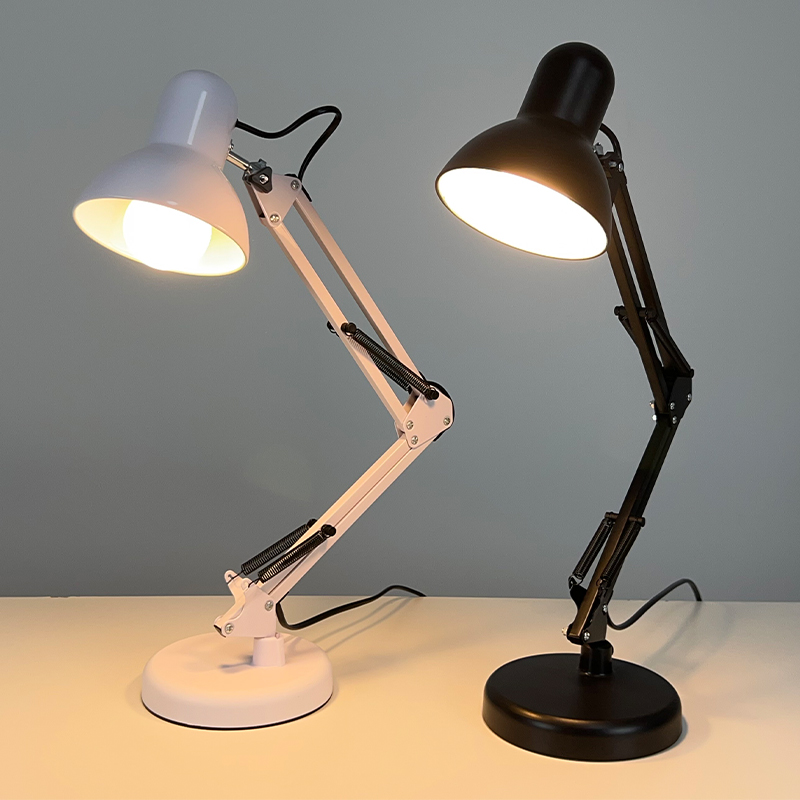
Metal: Metal floor lamps are known for their durability and sturdiness. They can withstand more wear and tear, making them suitable for high-traffic areas. Additionally, metal can be finished in various ways, providing aesthetic versatility.
Wood: Wooden lamps offer a warm, classic look that can enhance the ambiance of any space. While they may not be as durable as metal, quality hardwoods can provide significant longevity when properly treated.
Glass: Glass is often used in lamp shades to diffuse light effectively and add a touch of elegance. However, glass can be fragile, so care must be taken in high-traffic environments.
Plastic: While typically less expensive, plastic can offer versatility in design and color. However, it may not provide the same level of durability as other materials, making it better suited for low-traffic areas.
When selecting materials, consider the intended application and the environmental conditions the lamps will face. This will help ensure optimal performance and longevity for your floor lamp purchases.
 EN