Choosing Hallway Ceiling Lights for Wholesale Buyers

application/hallway-ceiling-lights, application/hallway-ceiling-lights, 
Inquiry
Inquiry

hallway ceiling lights

Choosing the right hallway ceiling lights is essential for  creating  inviting and functional  spaces in commercial  environments. As  a B2B  buyer,  understanding the  specifications,  sourcing options,  and  installation requirements  of hallway  ceiling  lights can  significantly affect  your purchasing decisions. This article  will  provide insights into  these aspects, helping you make informed choices  for your lighting needs.

Key Specifications of Hallway Ceiling Lights for Importers

When importing  hallway ceiling lights, understanding key specifications is crucial to ensure compliance with local regulations and standards. Here are some important specifications to consider:

Lumens  and  Wattage: The lumen output indicates  the brightness of the light, while  wattage indicates energy  consumption. Importers should  aim for energy-efficient options that provide adequate lighting  without excessive energy costs.

Voltage and Frequency: Ensure that the lights are compatible with local voltage and frequency standards. For instance,  lights  designed for 110V systems may not operate effectively in regions using 220V.

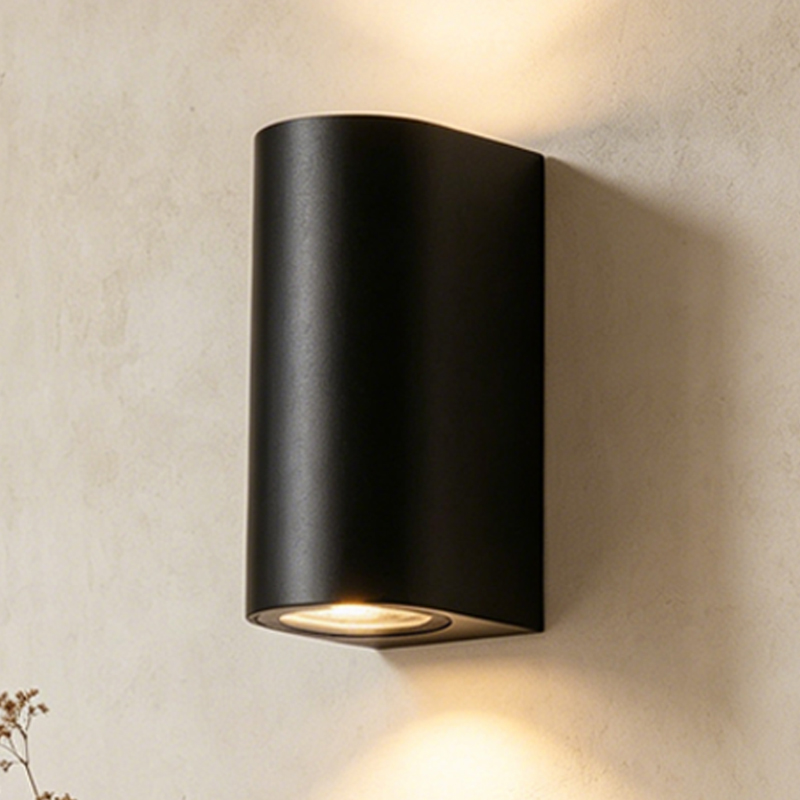
Materials: Consider  the materials used in the  fixture construction. High-quality materials not only enhance durability but also contribute to better heat dissipation and overall lighting performance. Products like the Waterproof Wall Light IP65 E27 Up Down Outdoor Indoor are a great example of this.

Certifications:  Look for CE, UL, and ERP certifications, which indicate compliance with safety and environmental standards. This is especially important  for importers to avoid  regulatory issues and ensure product safety.

IP Rating:  The  ingress protection (IP) rating indicates the fixture's resistance to dust  and moisture. This is particularly  relevant for hallways that may  be exposed to different environmental conditions.

Where to Source Reliable Hallway Ceiling Lights Suppliers

Finding reliable suppliers for hallway ceiling lights is essential for ensuring quality and compliance. Start  by researching manufacturers with a proven  track record in the industry, such as  iGUANGZHOU I-ESSENCE ELECTRIC CO., LTD., which offers a variety  of lighting  solutions with recognized certifications.  Consider the following avenues for sourcing suppliers:

Industry Trade Shows: Attending trade shows focused on lighting and electrical products can provide opportunities  to meet manufacturers and inspect  products firsthand.

Online Marketplaces: Platforms like Alibaba and  Global Sources allow buyers to connect with  manufacturers globally.  Look for suppliers with positive reviews and  verified  certifications.

Networking: Leverage industry contacts  and  associations to find reputable suppliers.  Recommendations from trusted sources can help you identify reliable manufacturers.

Direct  Manufacturer Contact: Reach out directly to manufacturers known  for their  quality offerings. Inquire about their production capabilities, customization options, and minimum order  quantities (MOQs).

Installation Guidance for Hallway Ceiling Lights in Projects

Proper installation  of  hallway ceiling lights is critical  for optimal performance and safety. Here are key considerations  for installation:

Planning the Layout: Before installation, plan  the layout to ensure adequate lighting coverage. Consider the spacing between fixtures to avoid dark spots,  especially in  longer hallways.

Electrical Compatibility: Ensure that the electrical setup  is compatible with the lighting fixtures.  It's advisable to have a licensed electrician handle  the installation  to meet safety codes and standards.

Mounting Height: The mounting height of the lights should be appropriate  for the space. For  hallways, fixtures are  typically mounted between 7 to 9 feet above the floor,  depending on  the ceiling height.

Testing the Fixtures: Once installed, test  the fixtures to ensure they function properly. Check for any flickering or dimming issues, which could indicate installation problems or compatibility issues with the electrical system.

Maintenance Considerations: Plan for maintenance access, especially for fixtures that may require  bulb replacement or cleaning. Consider using LED lights that have a  longer lifespan and require less frequent  replacement.

Applications of Hallway Ceiling Lights in Commercial Settings

Hallway ceiling lights serve various applications  in commercial settings,  playing a crucial role in safety, aesthetics, and functionality. Here are some common applications:

Healthcare Facilities: In hospitals  and clinics, hallway ceiling lights are essential for  providing a safe and welcoming environment. They should offer bright, even illumination to assist with visibility and navigation.

Educational Institutions: Schools and universities utilize hallway ceiling lights to enhance learning environments. Proper lighting  can improve focus and reduce eye strain for students and staff.

Corporate Offices: In office  settings, hallway  lighting contributes  to a productive  atmosphere. Energy-efficient lights can help reduce operational costs while maintaining a professional appearance.

Retail Spaces: In retail environments, hallway lights can guide customers  through the store while enhancing product  displays. Adjustable fixtures may be employed to  highlight specific areas or products.

Hospitality Venues: Hotels and restaurants benefit from  stylish hallway lighting that enhances the guest experience.  Decorative fixtures  can  set the mood and complement the establishment's branding.

By understanding these applications  and the specifications of hallway ceiling lights,  B2B buyers can make informed  decisions that align with their operational  needs and aesthetic preferences.

Choosing the Right Hallway Ceiling Lights for Wholesale Buyers

For wholesale  buyers,  selecting the  right hallway ceiling lights involves considering  both aesthetic appeal and functional requirements. The style of the lighting should complement the overall design  of the space, while the functionality must meet the  specific needs of the environment. Key factors to consider include  the brightness (measured in lumens), energy efficiency (often indicated by the wattage), and the  type of  bulb (LED,  fluorescent, etc.). 

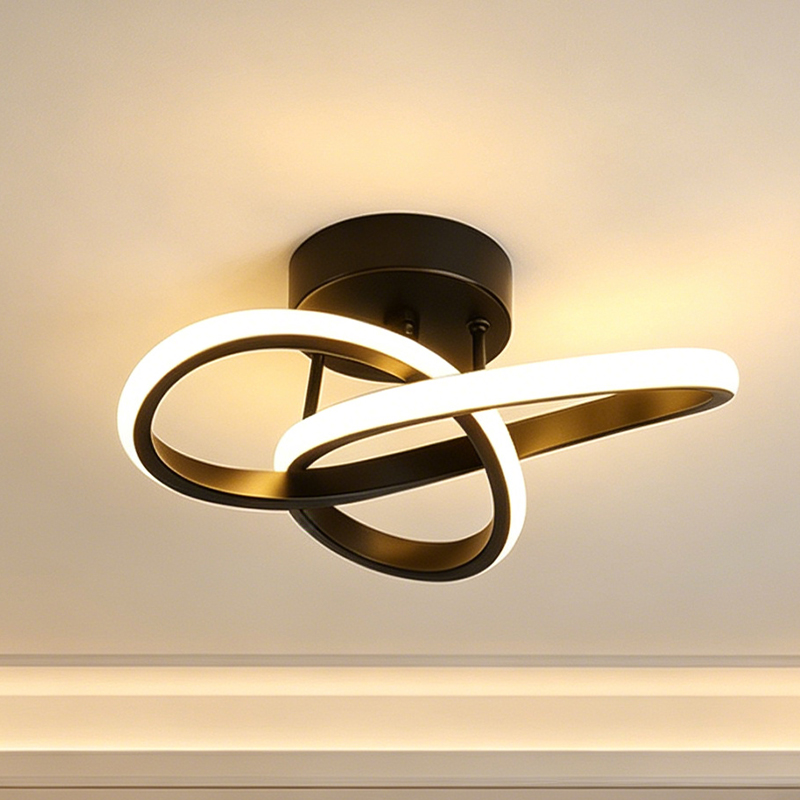
Additionally, buyers should be aware of the  dimensions and  mounting options of the lights.  For example, flush mounts  are ideal for low ceilings, while pendant lights can add a decorative touch  to higher spaces. Buyers should also evaluate the  materials used in the  fixtures, as they can impact durability and maintenance. Materials such as metal or high-grade plastics are often preferred  for their resilience in commercial  settings. If you're looking for a durable option, consider the IP65 Waterproof LED Wall Light 12W Up Down Outdoor Aluminum Sconce, which is designed for tough environments.

Frequently Asked Questions

What types of hallway ceiling lights do you offer?

We supply a range of hallway ceiling lights including flush mount, semi-flush, recessed-style and decorative LED panels suitable for residential and commercial corridors.
Yes. Our lights meet CE, UL and ERP standards and are produced under TUV/BSCI management to ensure safety and regulatory compliance.
Absolutely. Our hallway ceiling lights are designed for both residential and commercial use, meeting retailer and building safety requirements.
Yes. We offer energy-saving LED models with long lifespans and high luminous efficacy to reduce energy use and maintenance costs.
Yes. We manufacture at scale and support compliant supply for global retailers, offering production capacity, quality control and certification documentation.

Get a Free Quote

Our representative will contact you soon.
0/1000