Key Specifications for Sourcing Ceiling Lights

application/ceiling-light, application/ceiling-light, 
Inquiry
Inquiry

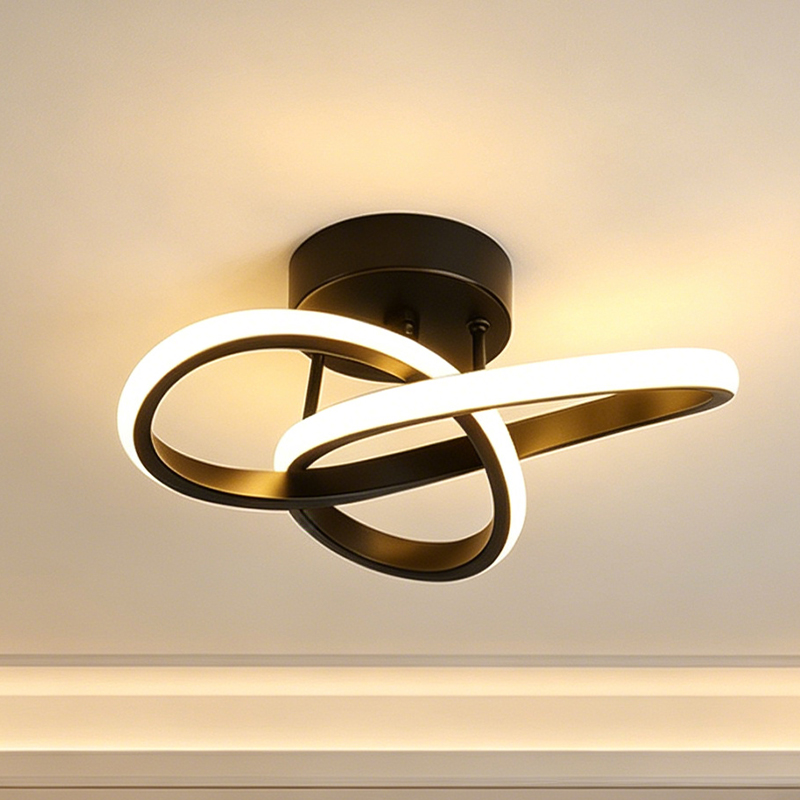
ceiling light

Ceiling lights  are essential fixtures in various settings, providing  both functional and aesthetic benefits. For  B2B buyers,  understanding the specifications, quality standards, cost  factors,  and common issues related  to ceiling lights is  crucial.  This article aims  to equip purchasing managers,  distributors, and engineers  with  the knowledge  needed to make informed  decisions when sourcing  ceiling  lights for  their  projects.


Understanding the Quality Standards for Ceiling Light Manufacturing

Quality standards are critical in ensuring ceiling lights perform reliably and safely. When sourcing  from manufacturers, it's important  to verify compliance with relevant certifications.

CE and UL Certifications: These  certifications indicate that  products comply with safety and performance  standards  in Europe and North America, respectively. They assure buyers that the lights have  undergone rigorous testing.

ERP Compliance: The Energy-related Products (ERP) directive  ensures that lighting products meet specific energy efficiency criteria. This is particularly relevant for buyers  looking to minimize operational  costs and environmental impact.

Quality Control Processes: A manufacturer’s quality control processes should be transparent. This includes regular  inspections  during production and  testing of finished products to mitigate defects and ensure  consistency.

TUV and  BSCI  Management: TUV certification indicates compliance  with safety and quality standards, while  BSCI focuses  on ethical sourcing and working conditions. Buyers should evaluate these certifications to ensure a reliable supply  chain.

Cost Factors to Consider When Purchasing Ceiling Lights in Bulk

Pricing  is  a significant consideration when sourcing ceiling lights, especially for bulk purchases. Several cost factors can influence the overall expenditure:

Unit Price: This is the  cost  per ceiling light,  which can vary based on  design, materials, and manufacturer. Buyers often find that higher quantities can lead to volume discounts, impacting  the overall unit price.

Shipping and Handling: Logistics costs should be factored into the total purchase price. Consider the shipping method, distance, and any import duties that may apply based on  your location.


Customization Fees: If specific  modifications are required,  such as custom  colors  or designs, additional costs may  be incurred. It’s essential to discuss these requirements upfront to avoid surprises  in pricing.

Maintenance and Energy  Costs: While the initial purchase price is critical, the long-term costs associated with energy consumption and  maintenance should also be considered. Energy-efficient lights  may have a higher upfront cost but  can lead to savings over  time.

Common Issues with Ceiling Lights and Effective Solutions

B2B  buyers should be aware of  potential  issues that can arise with ceiling lights, as well as effective solutions:

Flickering Lights: This problem can often  be attributed to poor electrical connections or incompatible dimmers. Buyers should ensure  that the ceiling lights are compatible with existing electrical systems and consider using high-quality dimmer switches.

Insufficient Brightness:  If ceiling lights do not provide  adequate illumination,  it may be necessary to reassess the lumens and  wattage specifications. Opting for higher-lumen options or adding more  fixtures can enhance brightness.


Heat Generation: Excess heat can reduce the lifespan of  ceiling  lights. Selecting energy-efficient LED options can help minimize heat production while maintaining  brightness.


Aesthetic Mismatch: If the installed lights do not match the desired decor,  it may  be necessary to  replace them. Maintaining flexibility in design specifications during the  sourcing process  can mitigate this issue.

Applications of Ceiling Lights in Various Industries and Settings

Ceiling lights are versatile fixtures that find applications across various  industries and settings.  Understanding these applications can help buyers select the right products for their specific needs:


Commercial Spaces: In offices, retail stores, and warehouses, ceiling lights are crucial for providing adequate illumination. LED  panels  and recessed lighting are commonly used for their energy efficiency  and modern aesthetic.

Residential Applications: In homes, ceiling lights can  enhance living spaces, kitchens, and bedrooms.  Decorative fixtures like  chandeliers  or pendant lights can  serve as focal points while ensuring functional lighting.

Industrial Use: In manufacturing facilities, durable  and high-lumen  ceiling lights are essential for safety and visibility. Buyers should consider robust designs  that can  withstand harsh environments.

Healthcare Settings: Hospitals and clinics  require ceiling lights that provide clear illumination without glare. Specialized fixtures designed for medical environments can help maintain a sterile  atmosphere.

By understanding the specifications, quality standards,  cost factors, common issues, and  diverse applications of ceiling lights, B2B buyers can make informed decisions that align with  their operational needs and objectives.

Key Specifications to Evaluate When Sourcing Ceiling Lights

When evaluating  ceiling lights, several key specifications should  be considered to ensure the product meets your needs.

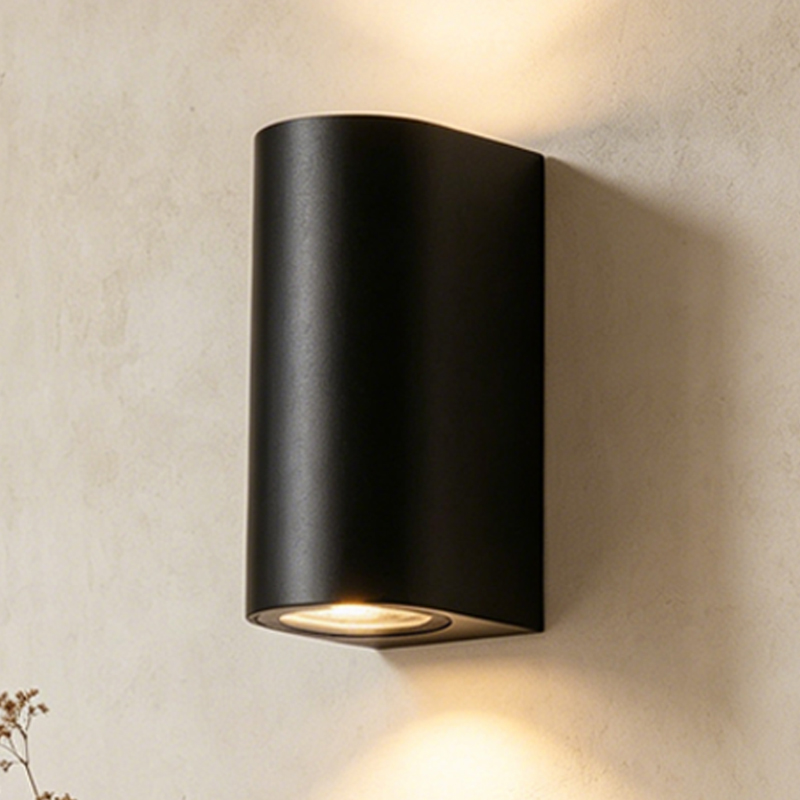
Lumens and Wattage: Lumens measure the brightness of the light, while wattage indicates energy consumption. Buyers  should assess the required brightness for the  intended application. For example, commercial spaces may require higher lumens compared to  residential  areas. If you're looking for options, consider checking out our IP65 Waterproof LED Wall Light 12W Up Down Outdoor Aluminum Sconce for an energy-efficient solution.

Color Temperature: Measured in Kelvin (K),  color temperature affects the ambiance of a space. A lower Kelvin value (2700K-3000K) provides warm light suitable for cozy environments, while a higher value  (4000K-5000K) offers a cooler,  more energizing light often preferred in office settings.

Dimensions and Design: The size and aesthetic of ceiling lights must align with the space where they will be installed. Consider the  ceiling height and room dimensions to choose an appropriate design that complements the surroundings.

Material and Durability: The  materials used in  the construction of  ceiling lights impact their longevity and performance. Common materials include metal,  glass, and plastic, each offering different levels  of durability and design flexibility. If you're interested in modern designs, our LED Wall Light IP65 Crystal Outdoor Exterior Modern could be a great fit.

Installation Type: Ceiling  lights can come in various installation types,  including flush  mount, pendant, and recessed. Understanding the  installation requirements is vital for ensuring  compatibility with existing infrastructure.

Frequently Asked Questions

What certifications does this ceiling light have?

Our ceiling light carries CE, UL, and ERP certifications and is produced under TUV and BSCI management standards to meet global retail compliance.
Yes. Designed and manufactured to meet regulatory and quality standards, it is suitable for both residential and commercial retail installations.
We offer manufacturer support and warranty details upon purchase; please contact our sales team for specific warranty length and claim procedures.
Many models include dimmable options or adjustable color temperatures; check the product specifications or contact us for model-specific features.
Yes. We supply compliant packaging and fulfillment suitable for global retailers; contact sales for MOQ, lead times, and customization options.

Get a Free Quote

Our representative will contact you soon.
0/1000