Key Specifications to Consider for Floor Lamps
When evaluating floor lamps, several key specifications are crucial for ensuring that the product meets the intended use and safety standards.
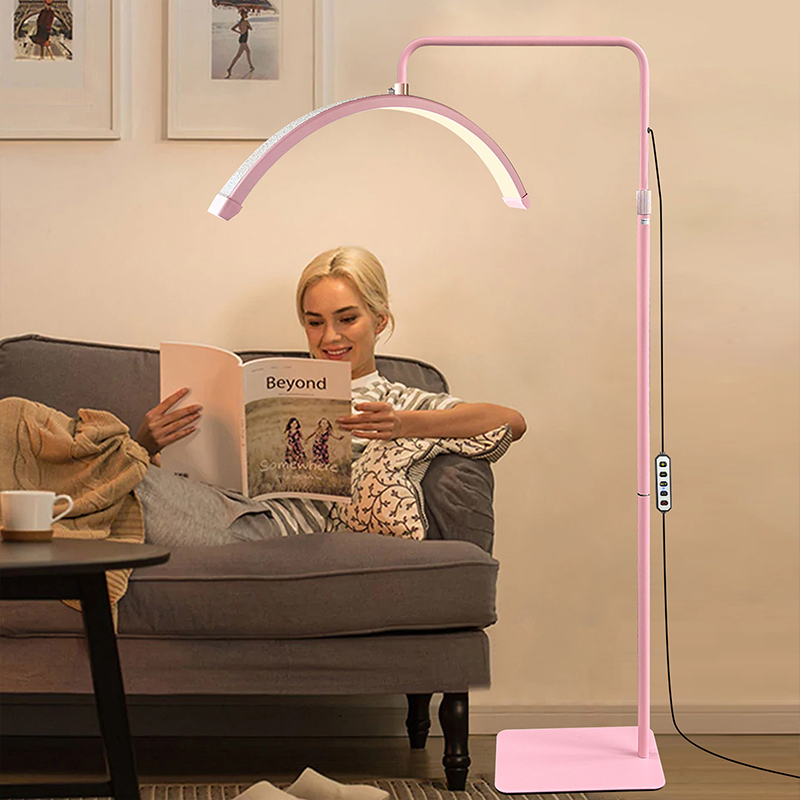
Height and Dimensions: The height of a floor lamp should be appropriate for its intended location. For instance, taller lamps may be suitable for larger rooms, while shorter lamps are better for intimate spaces. Buyers should confirm dimensions that align with the overall design and functional needs of the space.
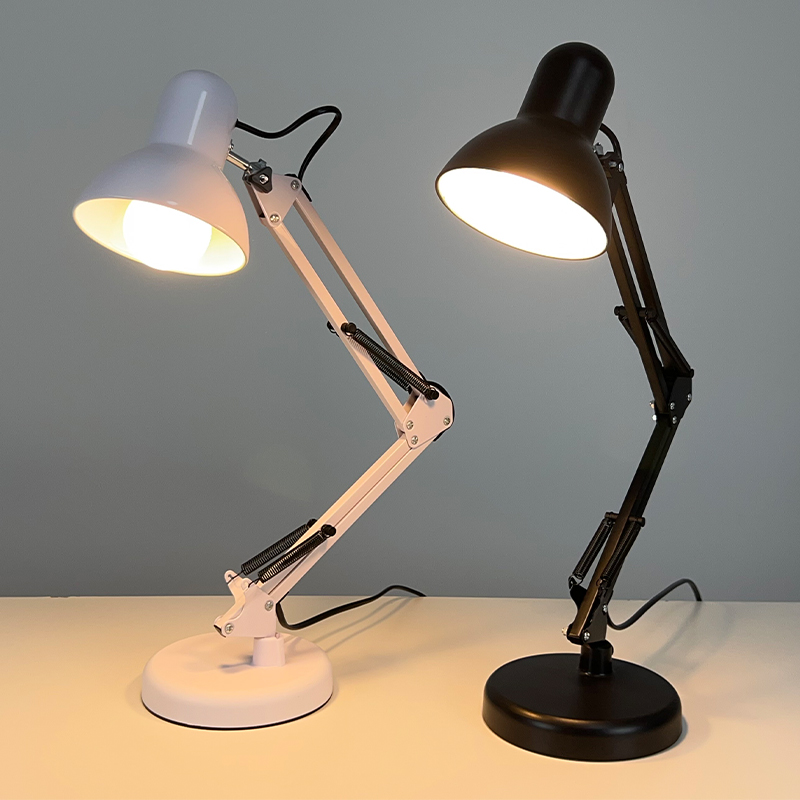
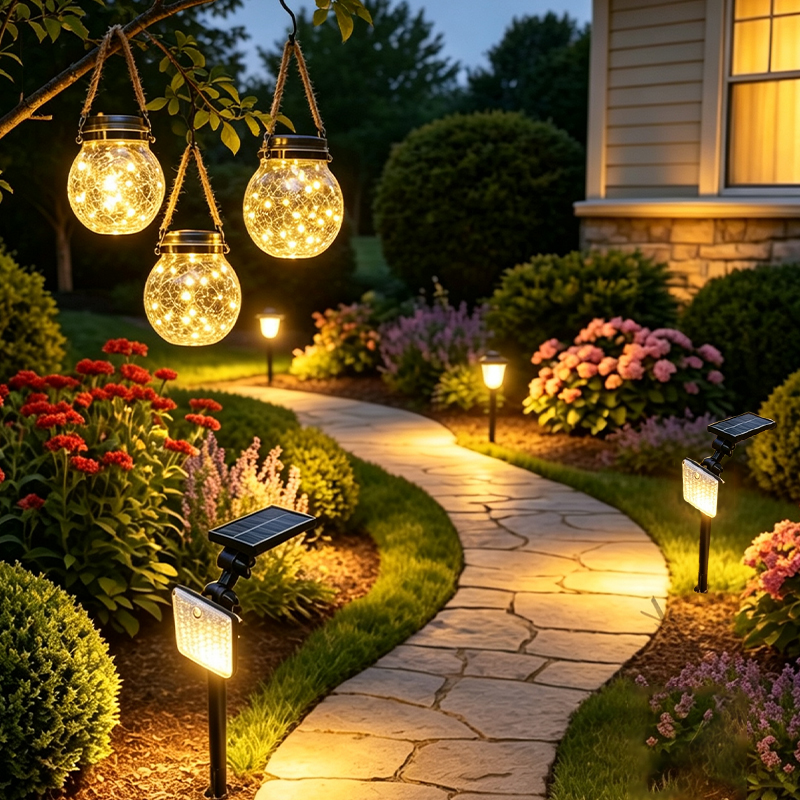
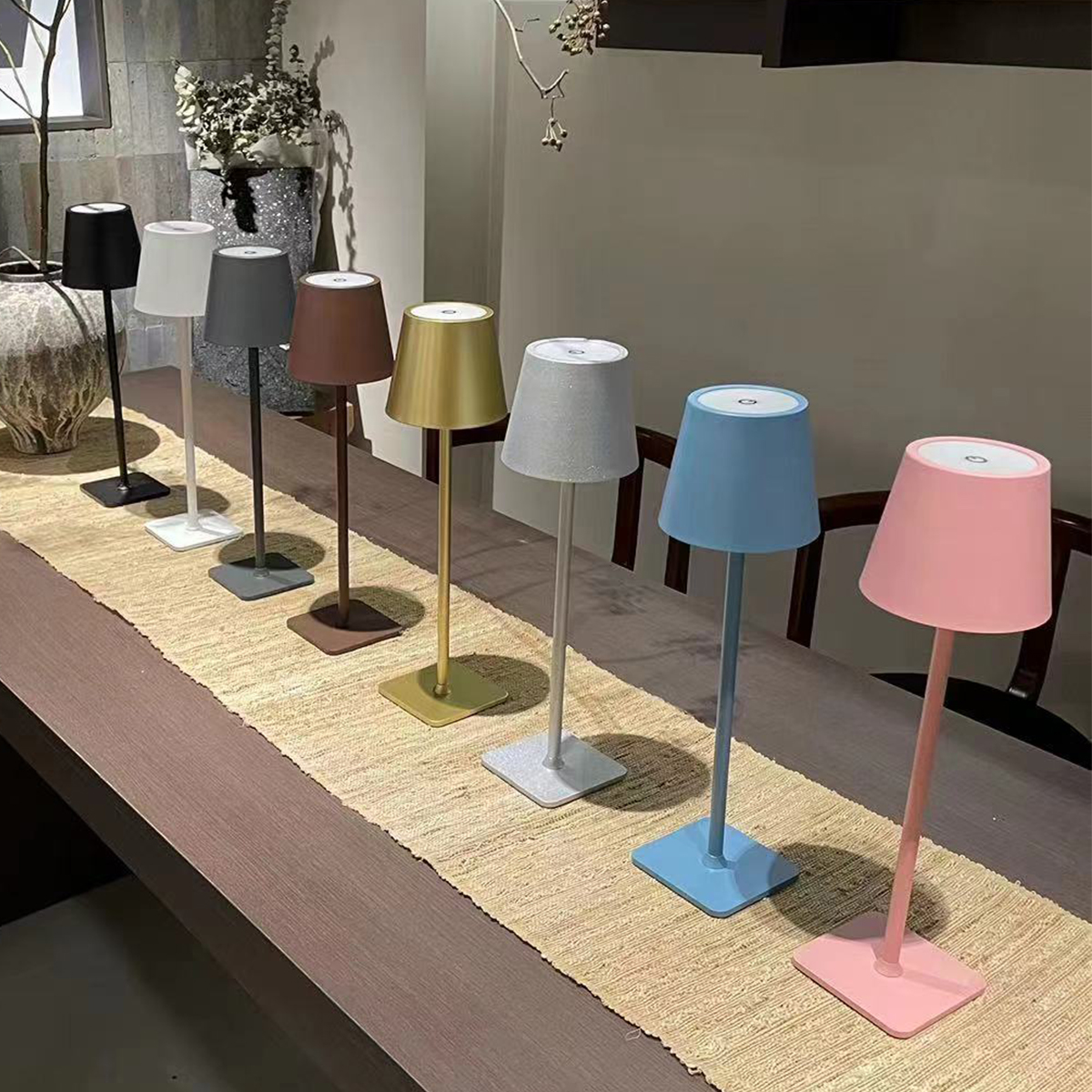
Material Quality: Floor lamps can be constructed from various materials, including metal, wood, and plastic. Each material affects durability, weight, and aesthetic appeal. It's essential to choose materials that can withstand the intended environment—such as moisture resistance for outdoor use. A great option for such requirements is the LED Desk Lamp.
Lighting Technology: The type of bulb used can significantly impact energy efficiency and light quality. Options include LED, incandescent, and fluorescent bulbs. LED bulbs, for example, provide longer life spans and lower energy consumption, making them a preferred choice for sustainable lighting solutions.
Certifications: Ensure that the lamps carry relevant certifications like CE, UL, or ERP. These certifications indicate compliance with safety and environmental standards, which is crucial for suppliers looking to maintain credibility in the retail market.
Power Supply and Connectivity: Consider whether the lamp needs a direct electrical connection or if it can operate on batteries. Additionally, features such as disability and smart connectivity may enhance usability, especially in commercial environments.
 EN