Understanding Material Advantages in Reading Lamp Floor Designs
The materials used in reading lamp floors can significantly affect performance and aesthetics. Here’s a breakdown of common materials and their advantages:
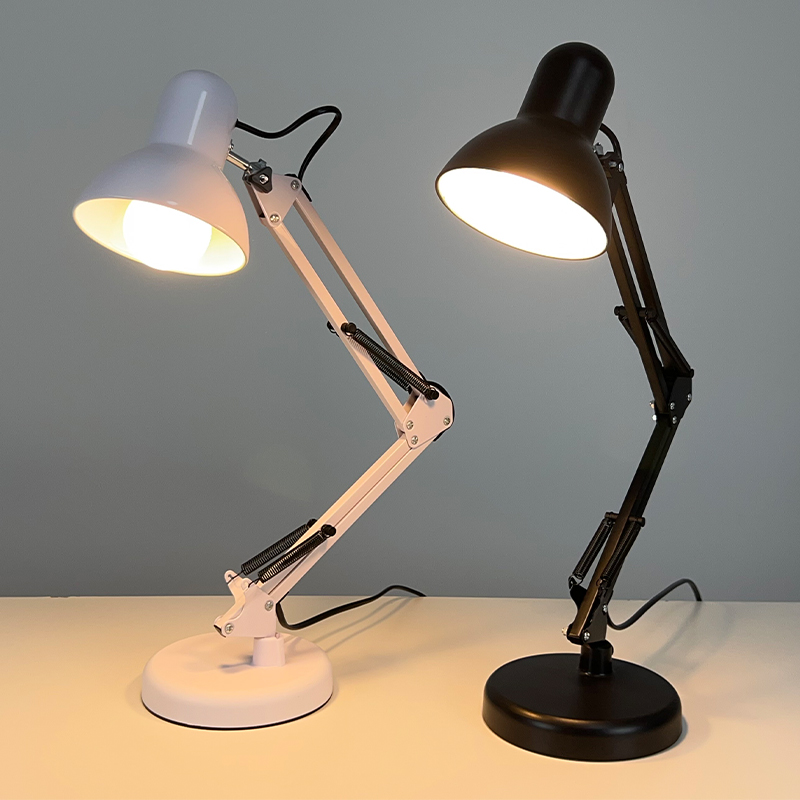
Metal: Often used for frames and bases, metal provides durability and stability. It can also be finished in various styles to enhance the lamp's design.
Plastic: Lightweight and often more affordable, plastic can be molded into diverse shapes and colors. However, it may not offer the same level of stability as metal.
Glass: Frequently used for lamp shades, glass can diffuse light beautifully, creating a warm ambiance. However, it may require more careful handling to avoid breakage.
Wood: Wooden bases can add a natural aesthetic and warmth to the lamp design. It’s essential to ensure that the wood is treated for durability, especially in commercial environments.
Composite Materials: These can combine various elements to enhance performance while maintaining a desirable aesthetic. They may offer unique textures or designs to fit specific décor themes.
Selecting the right reading lamp floor involves careful consideration of specifications, supplier reliability, and material advantages. By understanding these factors, you can make informed decisions that align with your project's needs while ensuring compliance with relevant standards and expectations.
 EN