Choosing the Right Standing Lamp for Projects

application/standing-lamp, application/standing-lamp, 
Inquiry
Inquiry

standing lamp

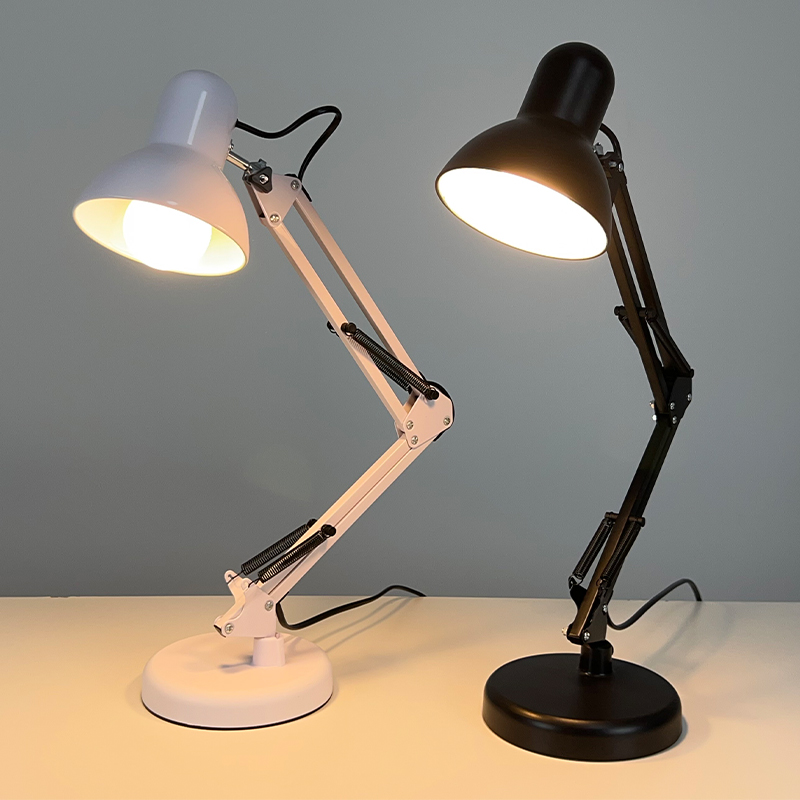
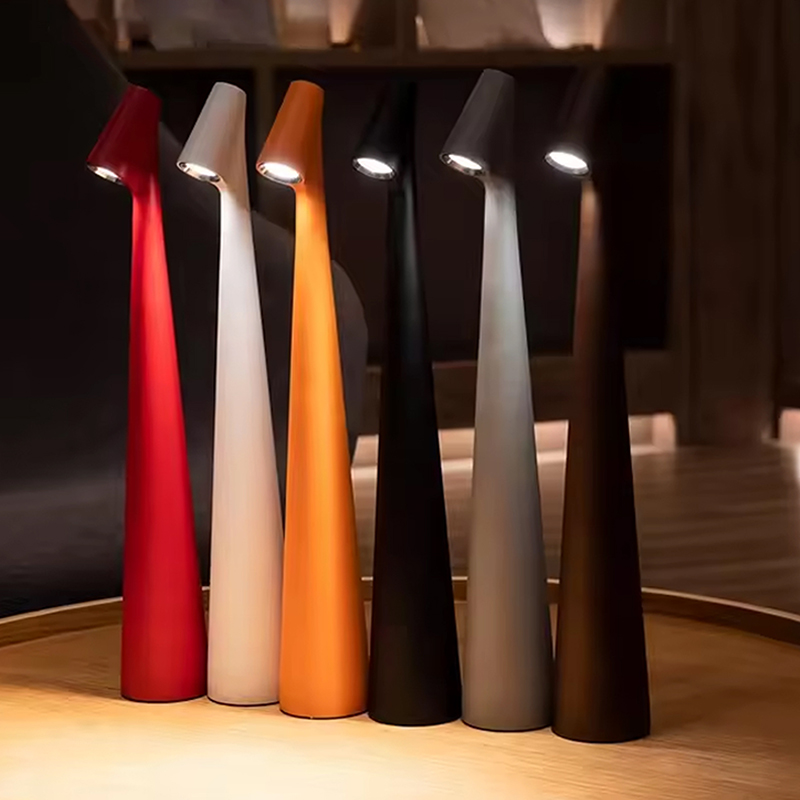
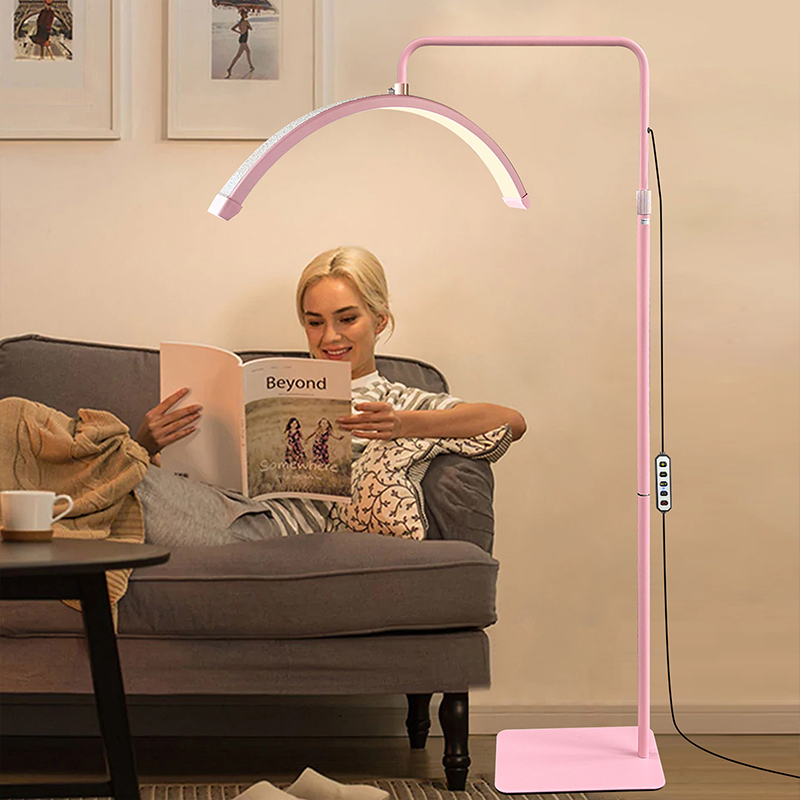
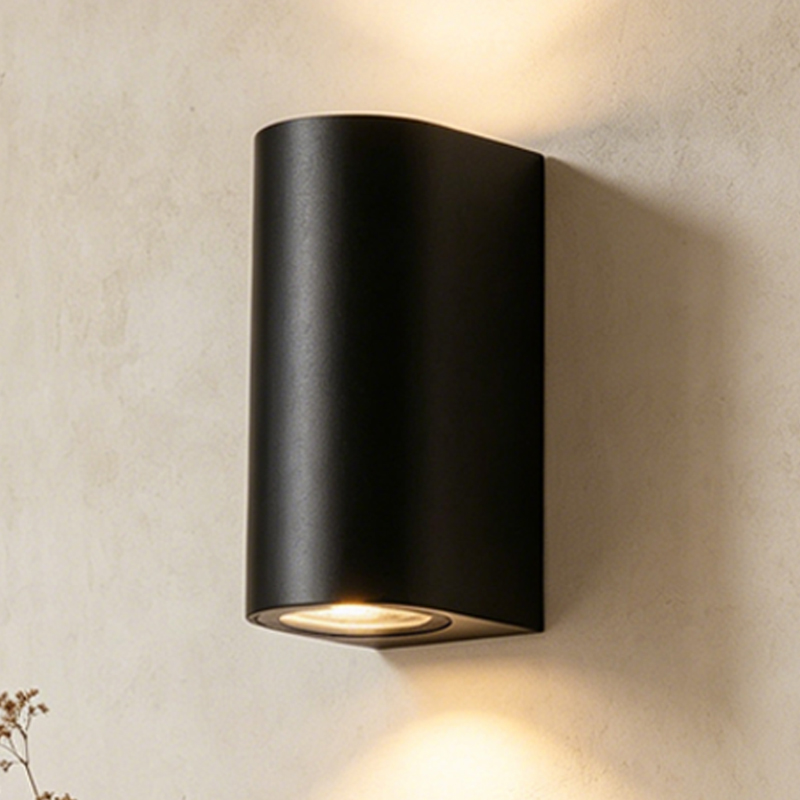
Standing  lamps are  essential lighting solutions that can enhance the  functionality  and aesthetic of various spaces, from  offices to retail environments. For B2B buyers such as purchasing managers, facility managers, and  product designers, selecting  the right standing lamp involves understanding product specifications, application suitability,  and cost factors. This  article will provide insights on how  to choose the  right standing lamp for your  projects, what  to know  about them, the cost factors  to consider when buying in bulk, common  problems and solutions,  and  their applications  in commercial  settings.  Additionally, consider our LED Wall Light IP65 Aluminum Outdoor Up Down Light for a versatile lighting option.

What to Know

Understanding the  technical specifications  of  standing  lamps is vital for  making informed purchasing  decisions. Key specifications include wattage, bulb type, and energy efficiency ratings. LED lamps are generally preferred for  their  longevity  and lower energy consumption compared to incandescent or fluorescent options.  

Another  important factor is the color temperature of the light. Measured in Kelvin (K), it  affects the ambiance and  productivity of  a space. For instance, a cooler light (4000K-5000K) is often better  for  task-oriented areas, while warmer light (2700K-3000K) can enhance  comfort in  relaxation areas.

Additionally, consider  the lamp's compatibility with smart lighting systems if your project requires  integration with  automation technologies. Many modern standing lamps offer connectivity features that allow for remote control and scheduling, enhancing their functionality.

Cost Factors to Evaluate When Buying Standing Lamps in Bulk

When  purchasing standing lamps in  bulk, several  cost factors come into play. First, the unit price often decreases with larger orders, but consider the total  cost of ownership, which includes shipping, handling,  and installation costs.  

Freight costs  can vary based on the delivery destination and the quantity  ordered, so it’s advisable to clarify the logistics with  your supplier early on. Additionally, inquire about any minimum order quantities (MOQ) that may affect your purchase decision.

Quality assurance processes are also essential in bulk purchases.  Ensure the manufacturer  has  stringent quality control measures to reduce the  likelihood of defects or inconsistencies in production, as  this can lead to increased costs from  returns or replacements.

Lastly,  consider  potential warranties and  after-sales support that  may be offered, as these factors can influence the overall value  of your  investment.

Common Problems with Standing Lamps and Effective Solutions

Despite their numerous benefits, standing lamps can encounter common issues that buyers should be aware of. One  frequent problem is stability;  poorly designed  bases can lead to tipping, especially in  environments  with high  foot traffic. To  mitigate this,  select  lamps with weighted bases or  designs that lower the center of gravity.

Another issue is bulb compatibility. Buyers should ensure  that they choose lamps that accommodate  widely available bulb types, making replacements easier and reducing long-term operational costs.  

Dimming functionality is another aspect  that may cause problems if not properly specified. Ensure the lamps are compatible with dimmer switches if adjustable brightness is needed, as  this can enhance the functionality  of  the lighting in various applications.

Lastly, consider heat  management.  Lamps that generate excessive heat  can be a safety hazard and may reduce the lifespan of  bulbs. Choose lamps designed with effective heat dissipation features to ensure safety and durability.

Applications of Standing Lamps in Commercial Settings and Projects

Standing lamps have  versatile applications in  commercial settings. In office environments, they can provide essential task lighting, helping to improve employee productivity  and comfort. Adjustable lamps are particularly beneficial in collaborative spaces, allowing users  to direct light as needed.

In retail spaces,  standing lamps can enhance  product displays and create inviting atmospheres, encouraging customer engagement. Selecting lamps with adjustable brightness  can help retailers adapt lighting to different  times  of day or special events.


Moreover,  standing lamps  can serve as decorative elements in hospitality settings, such as hotels and restaurants,  where ambiance plays a crucial role in customer experience. Their ability  to  combine functionality with  design makes them suitable for various applications, from lobbies to dining areas.

Standing  lamps offer a wealth of options for commercial and  industrial applications. By understanding the selection criteria, specifications, cost  factors, common issues, and diverse applications, B2B buyers can make informed decisions that enhance their projects  and meet their operational needs.

How to Choose the Right Standing Lamp for Your Projects

When selecting a standing lamp, it's crucial to  consider  various factors to ensure it meets your  project's specific needs. Begin by assessing  the intended application. Will the  lamp be used in a workspace for  task lighting,  or is it meant to create ambiance in a retail  environment? The required  brightness level, typically  measured in  lumens, will vary based on its use. For instance, task-oriented  environments may require lamps that provide around 800-1000 lumens, while decorative settings may need lower outputs.  Furthermore, our Waterproof Wall Light IP65 E27 Up Down Outdoor Indoor can be a great choice for outdoor applications.

Next, evaluate the lamp's  design, including its height, base stability, and  adjustability. An ideal standing lamp should have a stable base to prevent tipping, especially if placed in high-traffic areas. Adjustable features can  provide flexibility in directing light where  needed.


Material selection  is also significant; lamps made from durable materials like metal  or high-quality plastics are usually more resilient in commercial settings. Lastly, verify  compliance with relevant certifications such as CE or UL, which indicate adherence to safety and performance standards.

Frequently Asked Questions

What certifications does this standing lamp have?

Our standing lamp meets CE, UL and ERP standards and is produced under TUV and BSCI management for compliance with global retail requirements.
Features include adjustable brightness levels, warm to cool color temperatures, and energy-efficient LED options depending on the model.
Yes. Designed for both residential and retail environments, the lamp meets safety and energy standards for wide-ranging applications.
We offer manufacturer support and warranty terms; details vary by model and region. Contact our sales team for specific warranty information.
Turn off and unplug before cleaning. Wipe with a soft dry or slightly damp cloth. Avoid harsh chemicals and ensure vents are free of dust for optimal performance.

Get a Free Quote

Our representative will contact you soon.
0/1000