Choosing the Right Dining Room Light for Your Project

application/dining-room-light, application/dining-room-light, 
Inquiry
Inquiry

dining room light

Choosing  the  right dining room light involves a blend of aesthetics, functionality, and compliance with industry  standards. For B2B buyers, especially purchasing managers  and  project planners in  the  hospitality and retail sectors,  understanding  the nuances of dining room  lighting is  crucial. This article will help you navigate  your options,  evaluate key  specifications, address common  issues, find reliable suppliers, and consider  cost factors when  sourcing  dining  room lights.


Key Specifications to Evaluate When Sourcing Dining Room Lights

When sourcing dining room  lights, certain specifications are critical to  ensuring that  the fixtures meet your project’s functional and aesthetic needs. Key specifications include:

Lumens  and Wattage: Lumens measure the light output, while wattage indicates energy consumption. Choose fixtures  that provide sufficient  brightness without excessive energy use.

Color Temperature: Measured in Kelvins (K), color temperature affects  the ambiance. Warmer tones (2700K-3000K)  create a cozy atmosphere, while cooler tones (4000K-5000K) are more  energizing.

Material Quality: The materials used  in fixtures can affect durability, appearance, and maintenance. Common materials include metal, glass, and acrylic, each offering different advantages and drawbacks.

Dimming Capability: Fixtures with dimming  options allow for  flexible  lighting control, enhancing the dining experience. Ensure compatibility with your current electrical systems.

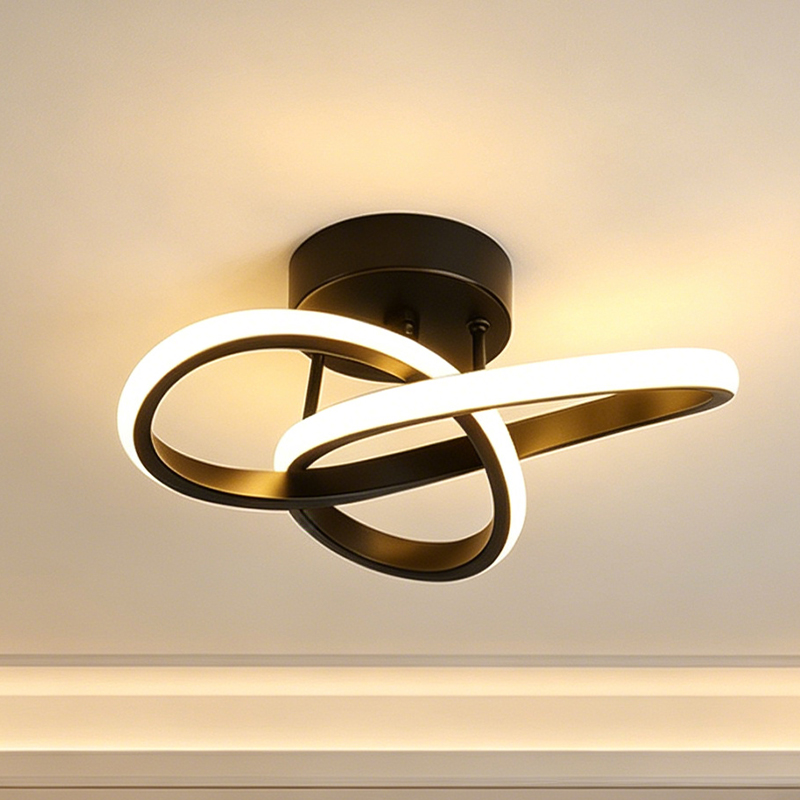
Mounting Options: Depending on  the design and layout of your dining area,  choose between  flush  mounts, pendants, or chandeliers to achieve the best lighting effect.

When evaluating these specifications, consider  how they align with your  project's  requirements and the preferences of your customers.

Common Problems with Dining Room Lights and Effective Solutions

While sourcing dining room lights, buyers may encounter common issues that  can impact project timelines and quality. Here are a few challenges and their solutions:

Inconsistent Light Levels: If the lighting varies  significantly across  the dining area, it can  create an unwelcoming environment. To address this, consider using multiple light sources and adjustable  fixtures  to create an even distribution of light.

Difficult Installation: Some fixtures may be challenging to install due to their weight or complexity.  Ensure that you select fixtures that come with comprehensive installation instructions or consider opting for simpler designs  that are easier to mount.

Quality Control Issues:  Variations  in manufacturing can lead to defects  in lighting  products. Work with reputable suppliers like iGUANGZHOU I-ESSENCE ELECTRIC CO.,  LTD., which employs rigorous  quality control processes, ensuring compliance with international standards.


Energy Inefficiency: Selecting fixtures that do not meet energy efficiency standards can  lead to higher  operational costs. Look for energy-efficient  models that comply with certifications to minimize long-term expenses.

By proactively addressing  these common problems, you can streamline the sourcing process and enhance customer  satisfaction.

Where to Find Reliable Suppliers for High-Quality Dining Room Lights

Finding trustworthy suppliers is crucial for ensuring that your dining room lights meet quality and compliance  standards. Here are  some strategies to identify  reliable sources:

Industry Trade Shows: Attending trade shows allows buyers to meet manufacturers directly, view product  samples, and discuss specifications. This personal  interaction can help establish trust and  facilitate better  negotiations.

Online Marketplaces and  B2B Platforms: Websites such as Alibaba and ThomasNet feature numerous  manufacturers and suppliers. Look for those with positive reviews and verified certifications.

Networking and  Referrals: Engage with industry contacts, participate in forums,  and seek  recommendations from peers who have successfully sourced lighting products.

Manufacturer Websites:  Research manufacturers like iGUANGZHOU I-ESSENCE ELECTRIC  CO., LTD. that provide detailed information  about their  products, certifications, and quality control practices.


By leveraging these resources, you can  identify suppliers that align with your  quality  expectations and project requirements.

Cost Factors to Consider When Purchasing Dining Room Lights in Bulk

When purchasing dining room lights in  bulk, understanding the cost factors  involved is essential for effective budgeting. Key considerations include:

Unit Price: The base cost per fixture can vary  significantly based on the design, materials, and manufacturer. Request quotes from multiple suppliers to compare pricing effectively.

Customization Costs: If you require custom  designs  or specifications,  factor in additional costs for modifications. Discuss these requirements with suppliers  early in the negotiation phase  to avoid unexpected expenses.

Shipping and Handling: Bulk  orders  often incur higher shipping costs. Evaluate shipping options and consider local  suppliers to minimize transportation expenses.

Minimum Order Quantities (MOQ): Suppliers typically have MOQs that affect the overall cost per  unit. Ensure that your  order meets these requirements to avoid higher pricing or delays.

Quality Assurance: Investing in higher-quality fixtures may lead to lower long-term costs  due to reduced  maintenance and replacement needs. Weigh  the  initial costs against potential savings over time.

Understanding these  cost factors will empower you  to make informed purchasing decisions that  align with your budgetary constraints and project goals.

How to Choose the Right Dining Room Light for Your Project Needs

Selecting the appropriate dining room light requires careful consideration of several factors, including the intended ambiance, the size  and layout of the space, and the specific requirements of  your project. Start by  defining the desired atmosphere—warm and inviting or bright and functional. This  decision will guide you in choosing the type of light fixture, whether it be chandeliers, pendant lights, or wall sconces.

Next, evaluate the size of the dining area. Larger spaces  may  benefit from multiple fixtures or a combination  of lighting types to ensure adequate illumination. Consider  the height of the ceiling, as this will influence the type of fixture you choose.  For instance, a  high  ceiling may warrant a pendant  light that hangs lower, while a flush mount might be more suitable for  a lower ceiling.

Finally, consider  the energy efficiency and compliance of the fixtures. Products  that meet CE, UL,  and ERP certifications, such as those manufactured by  iGUANGZHOU I-ESSENCE ELECTRIC CO., LTD., ensure safety and efficiency for your projects.  Selecting compliant  lights not only enhances safety but  also meets the expectations of global retailers and customers.

Frequently Asked Questions

What types of dining room lights do you offer?

We manufacture ceiling, wall, pendant, and LED fixtures suitable for dining rooms with various styles and sizes to match residential and retail needs.
Yes. Our products comply with CE, UL, and ERP standards and are produced under TUV/BSCI management for global market compliance.
We offer customization for finish, size, color temperature, and mounting options to meet retailer specifications and project requirements.
Lead times vary by quantity and customization but typically range from 4–10 weeks. Contact us with details for a precise estimate.
Yes. We provide technical support, documentation, and warranty terms. Specific coverage depends on the product model and purchase agreement.

Get a Free Quote

Our representative will contact you soon.
0/1000