Understanding Material Advantages in Unique Table Lamp Production
The materials used in unique table lamp production significantly influence their performance, aesthetics, and durability. Here are some common materials and their advantages:
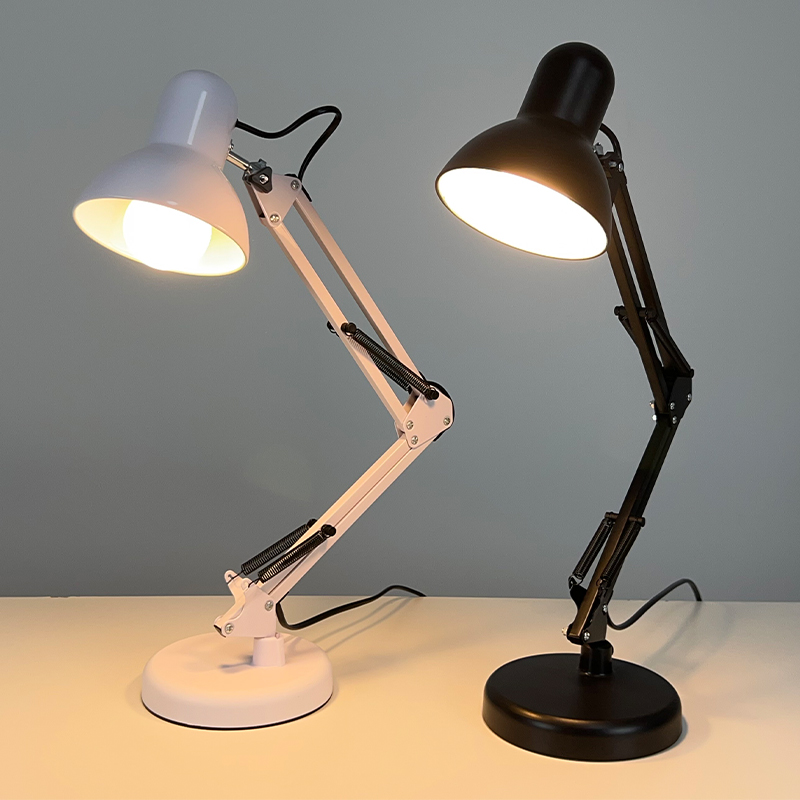
Metal: Often used for bases and fixtures, metal offers durability and stability. It can also be finished in various ways, such as painting or plating, to achieve different looks.
Glass: Used for shades or decorative elements, glass provides elegance and can diffuse light effectively. However, it may require careful handling to avoid breakage.
Wood: Wooden lamps add a natural touch to interiors. Ensure that the wood is treated to resist warping or moisture damage, especially in humid environments.
Plastic: A versatile and cost-effective option, plastic can be molded into various shapes and colors. However, it may not offer the same aesthetic appeal as metal or glass.
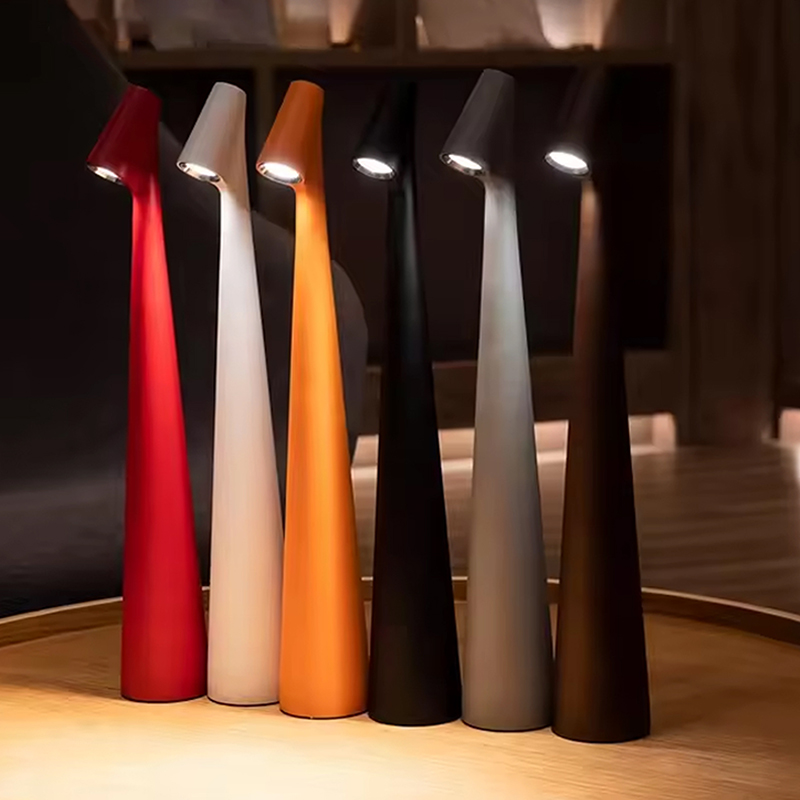
When selecting materials, consider the intended application and environment. Discuss with your supplier to determine the best material combinations for your unique table lamp designs. This will enhance both functionality and visual appeal, ensuring you meet the needs of your target market. Decorative table lamps can also offer unique aesthetic benefits for various settings.
By understanding these aspects of unique table lamps, you can make informed decisions that align with your business goals and customer expectations.
 EN