Choosing the Right Solar Lights for Wholesale Orders

application/solar-light, application/solar-light, 
Inquiry
Inquiry

solar light

Choosing the right  solar light for wholesale orders can  greatly  impact your  business's  success  in providing clients  with  quality lighting solutions. As a  B2B buyer in  the manufacturing or  retail sector, you may  have  specific concerns about  product specifications, durability, and supplier reliability. This article  will  guide you  through the essential factors to consider when selecting  solar lights,  ensuring you make informed decisions that meet  your business needs.

Key Specifications to Compare in Solar Light Products for Your Projec

When comparing solar light products, focus on the following specifications:

Lumens Output: This indicates the brightness of the light. For example, 100-200 lumens are typically suitable for pathways,  while up to 1000  lumens may be needed for larger areas like parking lots.

Battery Type and Capacity:  Look for lithium-ion batteries, which offer better performance and  longevity compared to traditional lead-acid batteries. The capacity (measured in mAh) affects how  long the lights can operate  after charging.

Solar Panel Efficiency: This refers to how effectively the panel  converts sunlight into electricity. Panels  with efficiencies above 18%  are generally considered high-quality.

Charging Time: Evaluate how long it takes to fully charge the battery under  optimal sunlight conditions. Shorter charging times are advantageous for areas with limited  sunlight.

Weather  Resistance: Check the  IP rating (Ingress Protection) which indicates the  light's resistance to dust and water. An IP65  rating or higher is recommended for outdoor use.

Warranty  and Lifespan: A warranty period of at  least two  years is a good indicator of product  reliability. Also, inquire about the expected lifespan of both the solar  panel and battery.

Ideal Scenarios for Your Clients

Solar lights are versatile and suitable for various applications. Here are some  ideal scenarios:


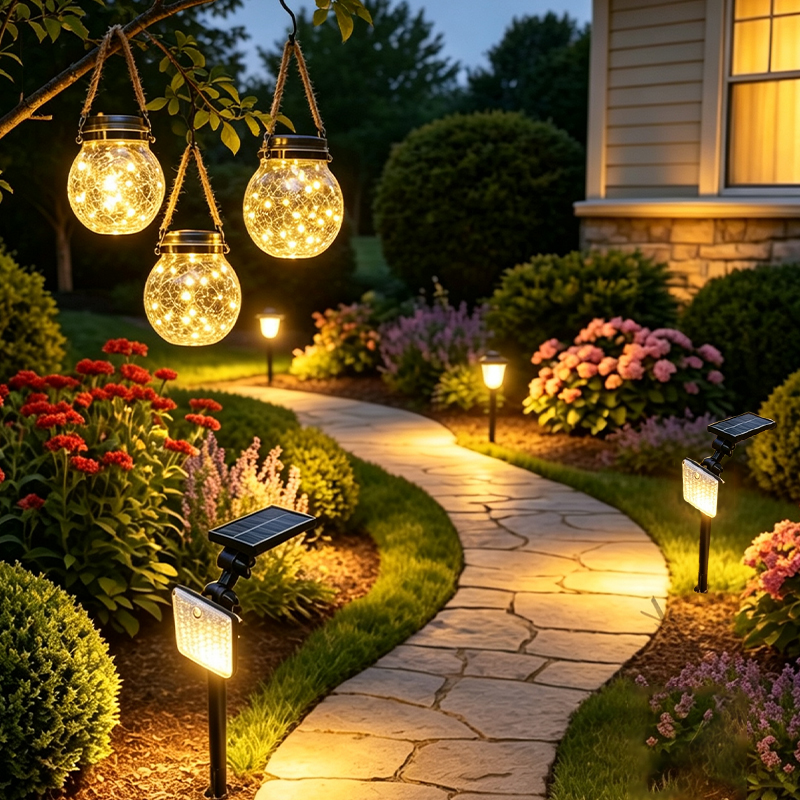
Residential Areas: Solar lights can enhance home security and beautify  gardens or pathways without incurring electricity costs. They are particularly valuable in eco-friendly home designs.

Commercial Properties: Businesses can utilize solar  lights  for parking lots, signage,  and outdoor  seating areas, reducing operational costs while promoting sustainability. A great choice for such applications is the Solar Patio Light.

Industrial Use:  Factories and  warehouses  can  benefit from solar flood  lights that illuminate  loading docks or outdoor storage  areas, contributing to safety  and efficiency.

Public  Spaces: Parks,  sidewalks, and recreational areas can be equipped with solar lights to enhance  safety at night,  providing an  attractive and eco-friendly lighting solution.

Expert Tips on Selecting the Right Solar Lights for Your Needs

Evaluate Project Requirements: Begin by understanding the specific needs of your project, including brightness requirements, intended use, and  environmental conditions.


Request Samples: Before  placing  a  large  order, request samples  to assess the quality and performance of the solar lights in  real-world conditions. This helps  ensure that  the  product meets  your standards.

Consider Customization Options: Many manufacturers, including iGUANGZHOU I-ESSENCE ELECTRIC  CO., LTD.,  offer customization options for solar lights. This can include adjustments to size,  color,  or additional  features, allowing you to cater to your clients' specific needs.

Review Supplier Background: Look for suppliers with experience in manufacturing  solar lights and a proven track record of delivering quality products. Certifications and compliance with international standards can further assure reliability.

Discuss Packaging and  Logistics: Consider the packaging methods used by the supplier, as this  can affect shipping costs and the integrity of the products during transit.

How to Assess Supplier Reliability for Solar Lighting Solutions

Reliability is crucial when selecting a supplier for solar lighting solutions. Here are some steps to evaluate potential suppliers:

Check Certifications: Ensure  that the supplier’s products meet international standards like CE, UL, and ERP. These certifications indicate compliance with safety and performance regulations.

Review  Production Capabilities: Assess the supplier's manufacturing capabilities, including production equipment and quality control processes.  A manufacturer with advanced  technology and  rigorous quality checks  is likely to produce more reliable products.

Examine Client References: Ask for references or case studies from previous clients. This can  provide insights into the supplier's reliability  and the performance of their products in real-world scenarios.

Inquire About Lead Times and MOQs: Understand  the supplier’s lead times for orders and  minimum order quantities  (MOQs). This will help you plan your inventory and meet project deadlines  effectively.

Evaluate Customer  Service: Good communication  and responsive  customer service  are essential. A reliable supplier should be willing to answer your questions and provide support throughout the purchasing process.


By considering these factors and following the outlined steps, you can make informed  decisions about sourcing solar lights for your business. Prioritizing quality, efficiency, and supplier reliability will ensure that you meet your clients' needs while maximizing  your return on  investment.

What to Consider When Choosing Solar Lights for Wholesale Orders

When sourcing solar lights, it is crucial to evaluate several key factors.  First, consider  the application requirements—will the solar lights be used for residential, commercial, or industrial purposes? This  will influence the design, brightness, and operational features you need. Next,  assess the solar  panel  efficiency, battery capacity,  and light output. High-efficiency solar panels can maximize  energy absorption, while robust  battery systems ensure prolonged usage.

Another important factor is  the material and build quality. Solar  lights made  from durable materials like high-impact plastics or aluminum can withstand  harsh weather conditions, making them more suitable for outdoor applications.  Additionally,  check for relevant certifications such as CE, UL, and  ERP,  which  ensure compliance with  international  safety standards. For instance, a reliable option for outdoor applications is a Solar Flood Light, which provides robust illumination.

Frequently Asked Questions

What types of solar lights do you offer?

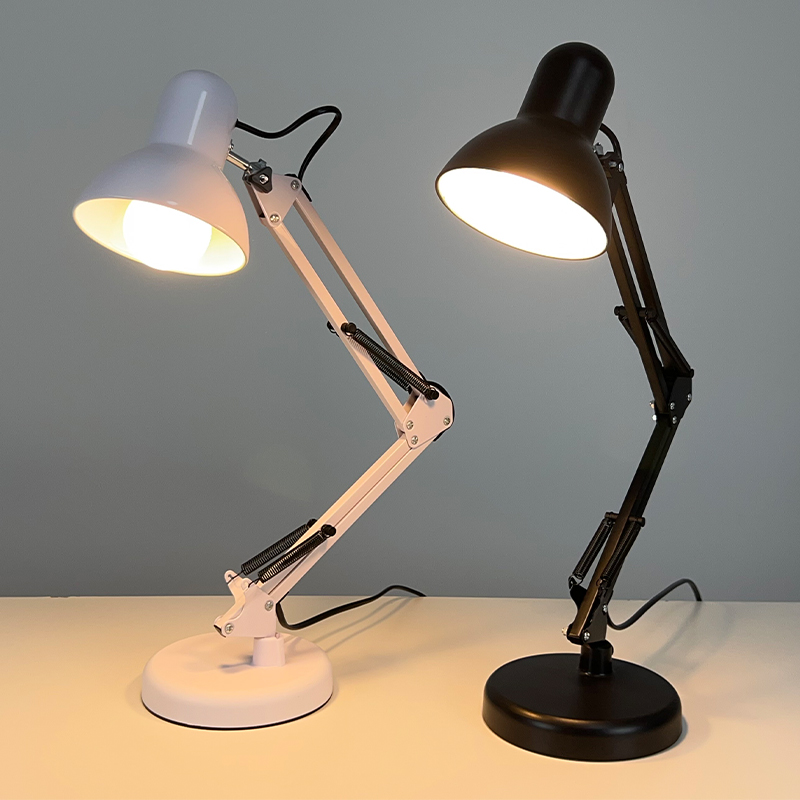
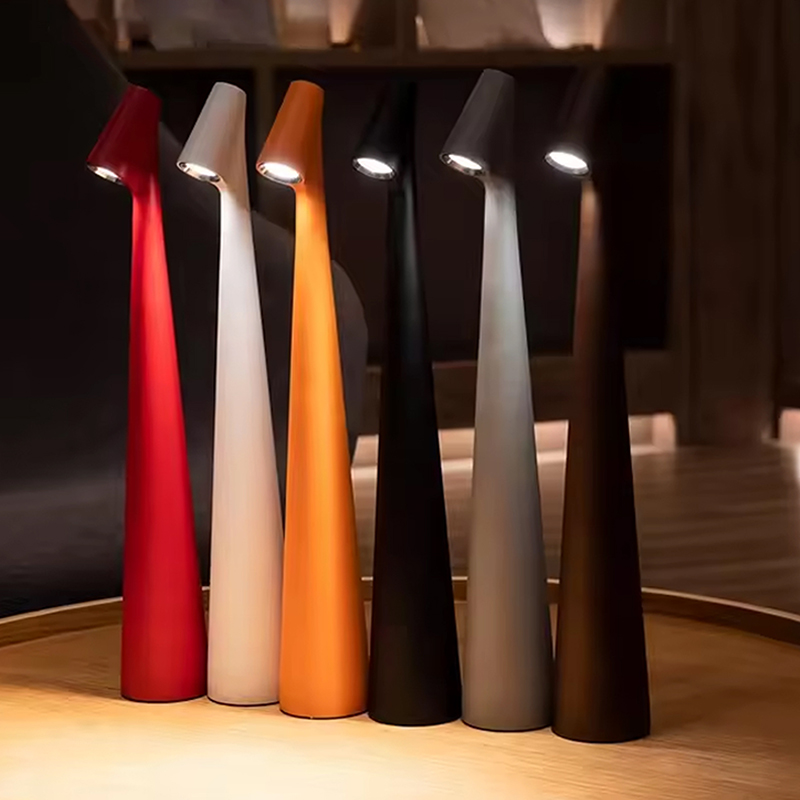
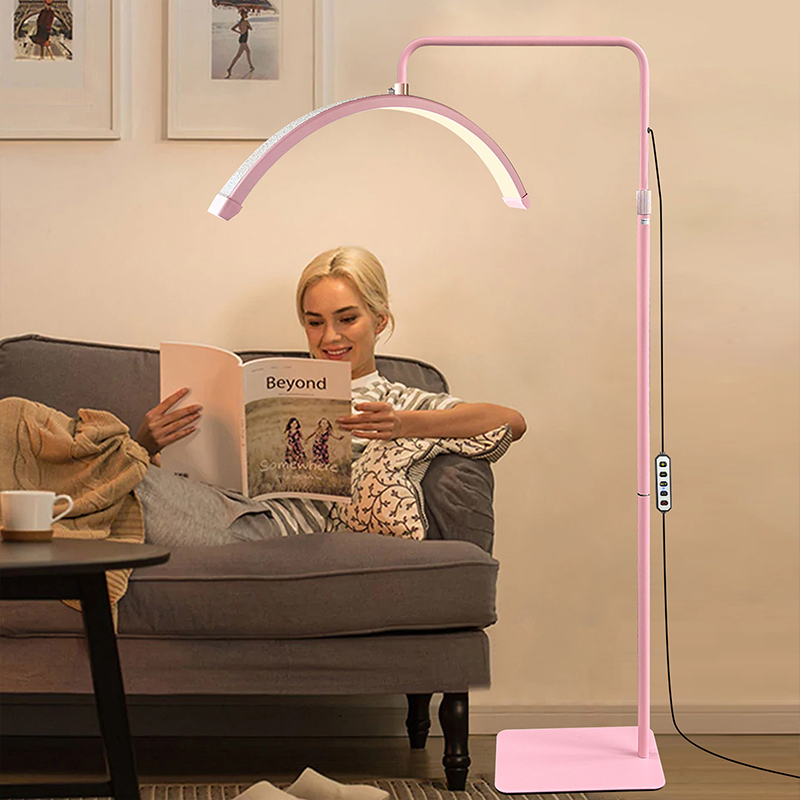
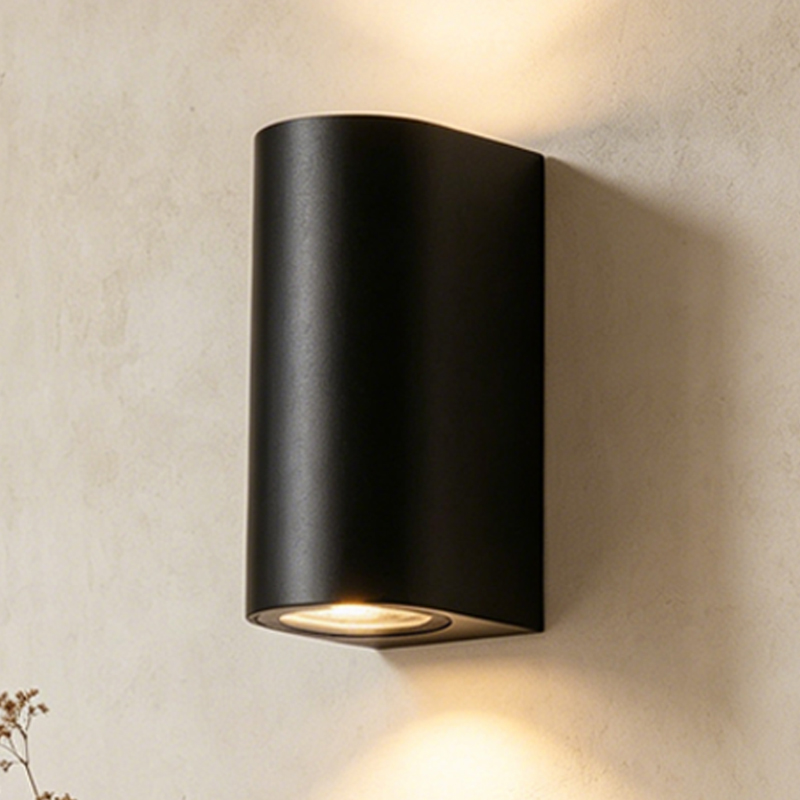
We manufacture desk, table, floor, wall, ceiling and dedicated solar lamps, suitable for indoor and outdoor applications with various designs and mounting options.
Yes. Our solar lights comply with CE, UL and ERP standards and are produced under TUV and BSCI management systems for quality and safety.
Standard warranty terms vary by model; most solar lights include a 1–3 year warranty covering manufacturing defects. Contact us for specific model warranty details.
Yes. We provide custom design, branding, packaging and technical adjustments to meet retailer specifications and compliance requirements.
We offer production planning, quality control, certification assistance and logistics support for large retailers, ensuring timely delivery and compliance.

Get a Free Quote

Our representative will contact you soon.
0/1000