Evaluating Quality and Sourcing Small Lamps

application/small-lamp, application/small-lamp, 
Inquiry
Inquiry

small lamp

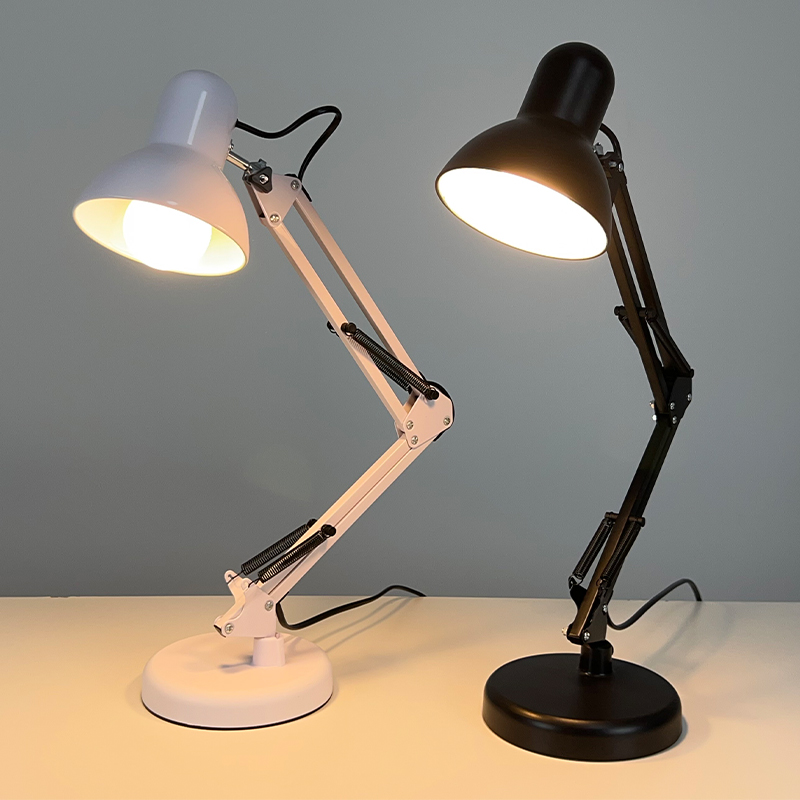
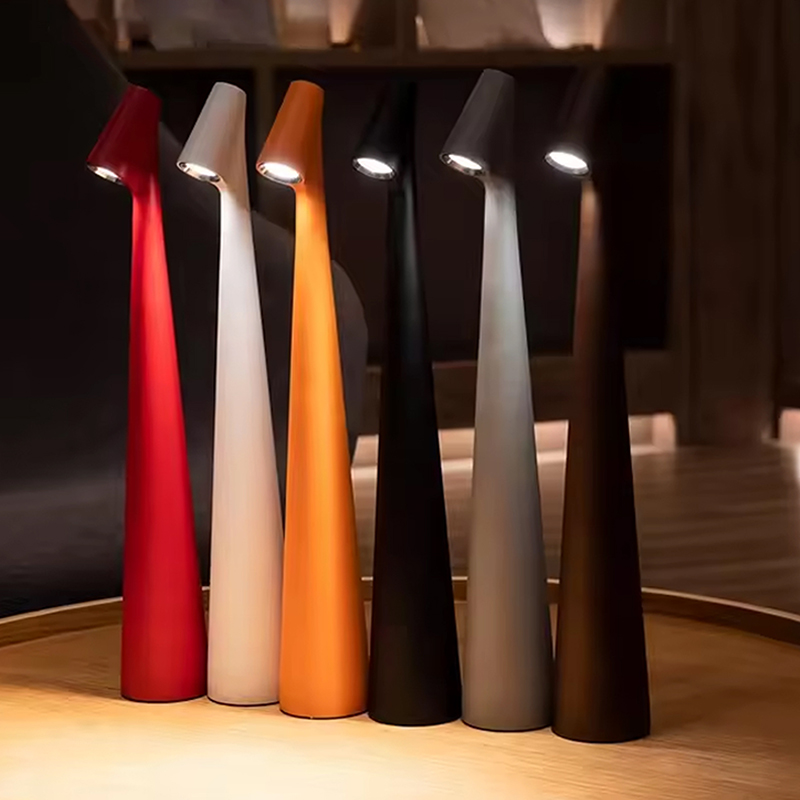
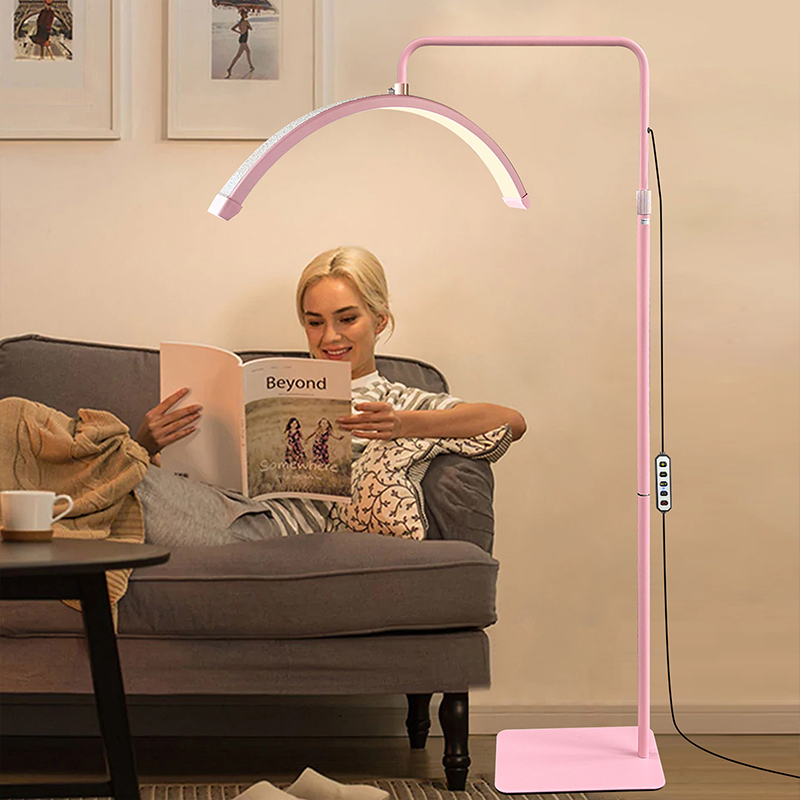
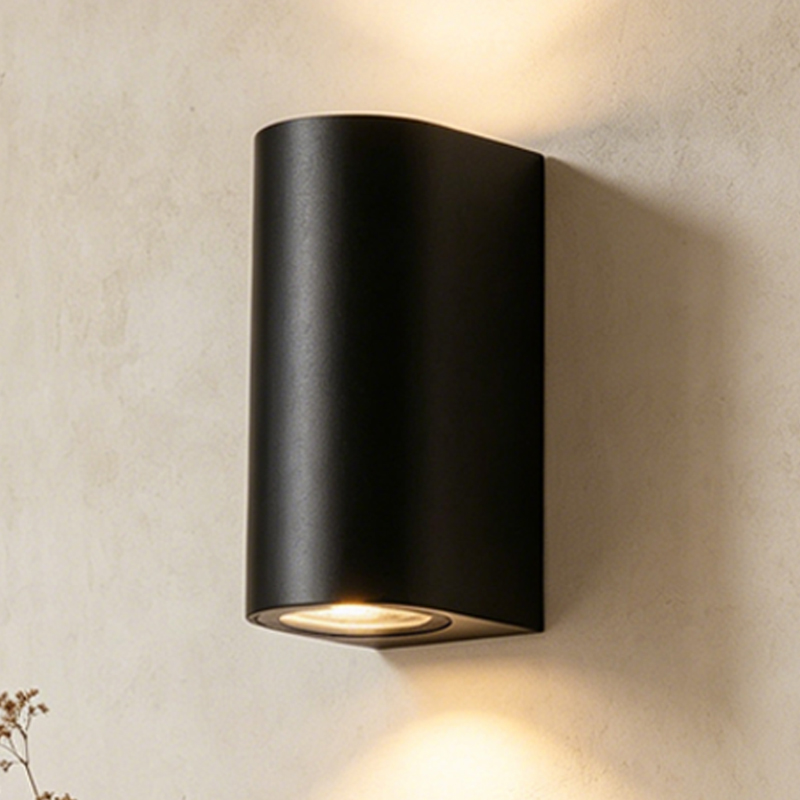
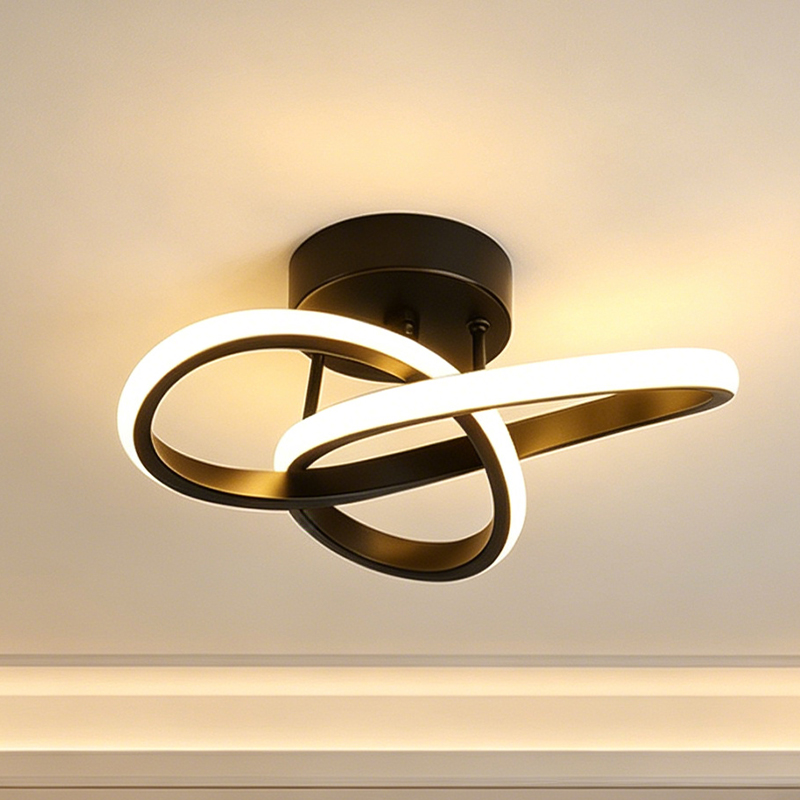
When sourcing small lamps for various projects, understanding their specifications, quality,  and supplier reliability is crucial. Small lamps,  which include desk, table, floor, wall, ceiling, and solar  varieties, are essential for  enhancing both functionality and aesthetics in  various  environments.  Purchasing managers, engineers, and  product managers often face challenges  in evaluating products  that meet their specific requirements,  especially when considering  bulk  orders.  This article will guide you  through evaluating  the quality of small lamps, sourcing reliable suppliers, understanding  installation  guidelines,  and cost factors while exploring their applications across different industries.

 

Where to Source Reliable Suppliers for Small Lamps in Bulk

Sourcing reliable suppliers for small  lamps involves assessing their  manufacturing capabilities, reputation, and compliance with industry standards.  Here are some steps  to guide your sourcing process:

Industry Reputation: Research potential suppliers through industry forums, trade shows, and professional networks. Look for manufacturers with positive reviews from past clients, especially  those who supply to major retailers like Walmart and Costco.

Certifications and Compliance: Ensure that the suppliers you consider have the necessary certifications (CE, UL, ERP) that indicate compliance with safety and quality standards. These certifications can  also affect your ability to sell the products in various markets.

Production  Capabilities: Assess the supplier’s manufacturing capacity and capabilities.  A supplier like iGUANGZHOU I-ESSENCE ELECTRIC CO., LTD. can  handle various lamp types and  offers customization options, which can be a significant advantage  for  unique projects.


Minimum Order  Quantities (MOQ): Clarify  the MOQ for bulk orders. This will help you determine if  the supplier can meet  your project requirements without incurring excessive costs.

Sample Approval: Before placing a large order, request  samples. This will allow you to evaluate  the quality firsthand and ensure that the  products meet your specifications.

Understanding Installation Guidelines for Small Lamp Products

Proper installation is critical for  maximizing the performance and lifespan  of small lamps. Here are  some installation  guidelines to consider:

Manufacturer Instructions: Always refer to  the manufacturer’s installation  manual. This will provide specific information about  wiring, mounting,  and any additional components required.

Electrical Compatibility: Verify the voltage and wattage  specifications to ensure compatibility with existing electrical systems. Using the wrong voltage can lead  to failures or safety hazards.

Mounting Requirements: For  wall and ceiling lamps, ensure the mounting hardware  is suitable for the surface type. Heavy fixtures may require additional  support to prevent accidents.

Safety Considerations: Follow safety protocols during installation,  including turning off power sources and using appropriate personal protective equipment.


Testing After Installation:  After installation, test the lamps to  confirm they function correctly.  Address any  issues  immediately to avoid complications later.

Cost Factors to Consider When Buying Small Lamps in Bulk

Understanding the cost factors associated with bulk purchases of small lamps is essential for effective budgeting. Here are key considerations:

Unit Price: The base price per  unit will vary depending  on  the lamp type, materials, and customization options. Request  detailed quotes from multiple suppliers to compare pricing  effectively.

Shipping and Handling: Factor in shipping costs, which can vary significantly based on the supplier’s location, the weight of the  shipment, and the chosen shipping  method.

Duties and Taxes: If sourcing internationally, consider import duties and  taxes  that may  apply. These  can impact your overall costs significantly.

Volume Discounts: Many suppliers offer  discounts  for larger orders. It’s beneficial  to negotiate these  terms upfront to maximize  savings.

Quality vs. Cost: While it may be  tempting to choose the lowest-priced option,  consider the long-term performance and  maintenance costs associated with  lower-quality lamps. Investing in better quality may reduce replacement and repair costs over time.

Exploring Applications of Small Lamps in Various Industries

Small lamps serve a wide range of applications across diverse industries. Understanding these applications can help buyers  select the  right products for their needs.

Commercial  Spaces: In retail environments, small lamps are often used for accent  lighting and enhancing product displays. Adjustable desk and table lamps can  also provide  essential task lighting in offices.

Residential Use: Homeowners utilize small lamps for both functional and decorative purposes. Floor and  table lamps can create ambiance and improve usability in  living  spaces.

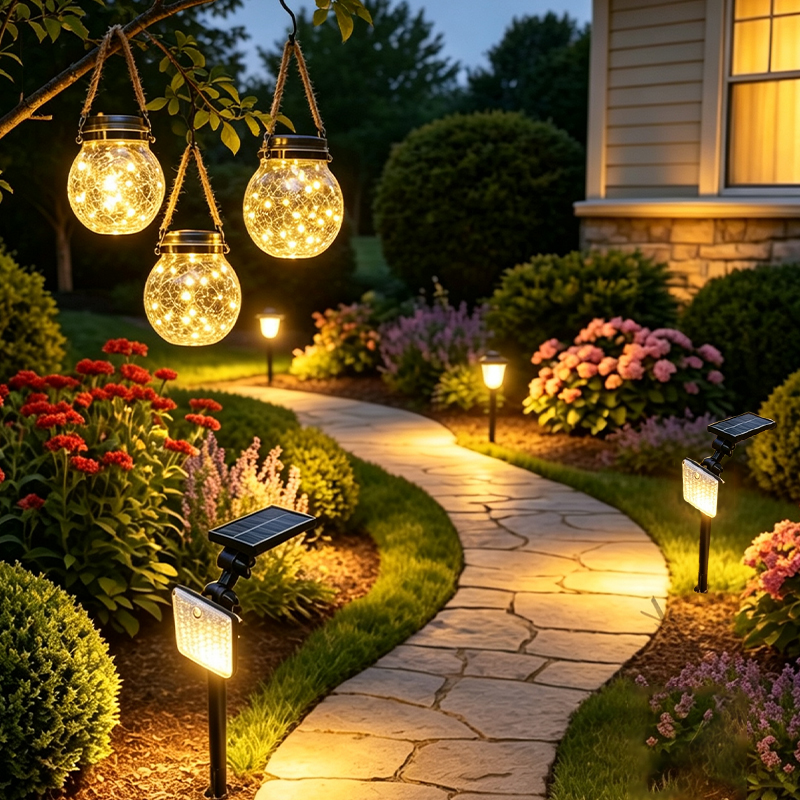
Outdoor Lighting Solutions: Solar-powered small lamps are becoming increasingly popular  for outdoor settings. They provide energy-efficient lighting for gardens, pathways, and patios without relying on electrical  connections.


Hospitality  Industry:  Hotels and restaurants use small  lamps to create inviting atmospheres. Customizable lighting solutions allow these venues to adapt the ambiance based on the time of day or specific events.

Healthcare  Facilities: In healthcare settings, small lamps are essential for providing adequate lighting  without disturbing patients. Task lighting in examination rooms and patient areas is crucial for ensuring safety and comfort.


By considering the specifications, sourcing strategies, installation guidelines, cost factors, and applications of small lamps, B2B buyers can make informed decisions that align  with their specific project needs. Focusing on quality, compliance, and  supplier reliability will ultimately lead to successful procurement outcomes.

How to Evaluate the Quality of Small Lamps for Your Projects

When assessing the quality of small lamps, several  specifications and features should  be considered. Key factors  include materials, design, energy efficiency, and  compliance with safety standards.

Materials: The type of materials used in manufacturing small lamps can  significantly affect their durability and performance. For instance,  metal fixtures might offer sturdiness, whereas plastic components could reduce weight but may not withstand high temperatures.  Consider the lamp's intended environment (e.g.,  indoor vs.  outdoor) when evaluating materials.

Energy Efficiency: Look for lamps  that comply with energy standards such as CE, UL, or ERP certifications. Energy-efficient lamps not only  reduce electricity costs but also contribute to sustainability goals. The choice of bulb type,  such as  LED versus incandescent, also plays a critical role in energy consumption.

Quality Control: A reliable manufacturer will have stringent  quality control processes in place. Investigate whether they perform regular testing  of their products and have certifications like TUV or BSCI. These certifications help ensure that the lamps meet industry standards for safety and performance.

Design and Functionality: Evaluate how well  the  lamp's design meets your specific functional needs. This includes aspects like brightness, light direction,  and adjustability. A well-designed lamp should  also consider user  ergonomics and aesthetic appeal.

Frequently Asked Questions

What are the key features of this small lamp?

The small lamp offers compact design, energy-efficient LED lighting, adjustable brightness, stable base for desks or tables, and durable construction meeting CE/UL/ERP standards.
Our small lamp is certified to CE, UL, and ERP standards and produced under TUV/BSCI management for quality and regulatory compliance.
Yes. Its compact size and adjustable lighting make it ideal for desks, bedside tables, offices, and small workspaces.
The lamp uses low-power LED technology for efficient operation, complies with ERP energy requirements, and supports standard voltage ranges; specific wattage is available on product labels.
We offer manufacturer-backed support and warranty coverage; contact our customer service with purchase details for assistance, replacement, or repair options.

Get a Free Quote

Our representative will contact you soon.
0/1000