Essential Guide to Sourcing Reading Lamps

application/reading-lamp, application/reading-lamp, 
Inquiry
Inquiry

reading lamp

Reading lamps play an  essential role  in providing focused light for various activities, from reading and  studying  to working on intricate  tasks. For B2B  buyers, such  as  purchasing  managers, distributors,  and importers, the choice  of reading lamps  involves  considerations  like product  specifications,  compliance with safety standards, and sourcing from reliable  manufacturers. This article aims to guide you through the purchasing  process,  ensuring you make  informed decisions when selecting reading lamps for your business needs.

Where to Source Reliable Reading Lamps for Distributors and Importers

When sourcing reading lamps, finding a trustworthy manufacturer is crucial.  Look for companies  with  a proven track  record in the lighting industry,  such as  iGUANGZHOU I-ESSENCE ELECTRIC CO., LTD. Established manufacturers often possess the necessary certifications (like CE/UL) and adhere to quality management practices such as TUV and BSCI.

Key considerations when sourcing include:

Production  Capabilities: Evaluate the manufacturer's ability to handle your order volume and  customization needs. Reliable manufacturers can  accommodate  varying quantities and provide  tailored  solutions. Quality Control Processes: Investigate the quality assurance measures  in  place. This includes inspections at  various stages  of production to  ensure consistency and compliance with specifications. Export Markets: A  manufacturer with experience in international markets can navigate the complexities of shipping and compliance with different regulatory environments.

Establishing a solid  relationship with a reputable supplier can streamline your procurement process and enhance the reliability of your product  offerings.

Pros and Cons for Buyers

Understanding the  advantages and disadvantages of reading lamps will  help buyers make balanced decisions.


Pros:

Versatility: Reading lamps come in various styles and designs, making them suitable  for different environments, whether residential or commercial.  Energy Efficiency: Many modern reading lamps are designed with energy-efficient technologies,  reducing operational costs. Enhanced  Comfort:  Adjustable brightness and color temperature features enable users to create an optimal lighting environment, improving productivity and reducing eye strain.

Cons:

Initial Cost: High-quality  reading lamps with advanced features may  have a higher upfront cost, which can be a  concern  for budget-conscious buyers. Maintenance:  Depending on the  technology used (e.g.,  LED),  some lamps may  require specific maintenance practices or replacements  that buyers need to consider.

Evaluating these  pros and cons will aid buyers in aligning their purchase decisions with their organizational goals and customer preferences.

Ensuring Compliance and Safety

Compliance with safety standards is non-negotiable when sourcing reading lamps. Products should meet  relevant safety certifications to  ensure they are safe  for consumer use. For instance, lamps  with CE certification indicate they conform to EU safety, health, and environmental protection  standards.


Buyers should:

Verify Certifications: Always request proof of  certifications like UL and CE. This  documentation ensures  that the  lamps have undergone rigorous testing  for electrical  safety and performance. Conduct Quality Inspections: Implement a quality control  process to check samples before placing bulk orders. Focus on critical areas such as electrical safety,  material integrity, and design adherence. Review Manufacturer Practices: Research the  manufacturer's  quality  control protocols. A factory visit or third-party inspection can provide insights into their commitment to safety and compliance.

Ensuring compliance not  only  protects your  business from liability but also enhances your brand reputation among consumers.

Common Problems with Reading Lamps and Effective Solutions

Various issues can arise with reading lamps, affecting user satisfaction and operational efficiency. Understanding these common  problems can help  buyers prepare effective  solutions.

Inconsistent Brightness: Variability in brightness can be frustrating for users. Ensure  that the lamps are equipped with high-quality LED chips and  drivers to provide consistent light output. Heat Generation: Excessive heat  can affect  lamp performance and  safety.  Choose lamps designed with effective heat dissipation  features, such as aluminum heat sinks.  Poor Durability: Low-quality materials can lead to breakage or malfunction. Opt  for lamps made from robust  materials that withstand daily use, especially in commercial settings.

Addressing these common problems  early in the procurement process will enhance  customer satisfaction and reduce returns or complaints.

By understanding  the specifications, sourcing processes, compliance requirements,  and potential challenges associated with  reading lamps, buyers can  make informed purchasing decisions that  benefit their business and customers alike.

A Buyeru2019s Guide

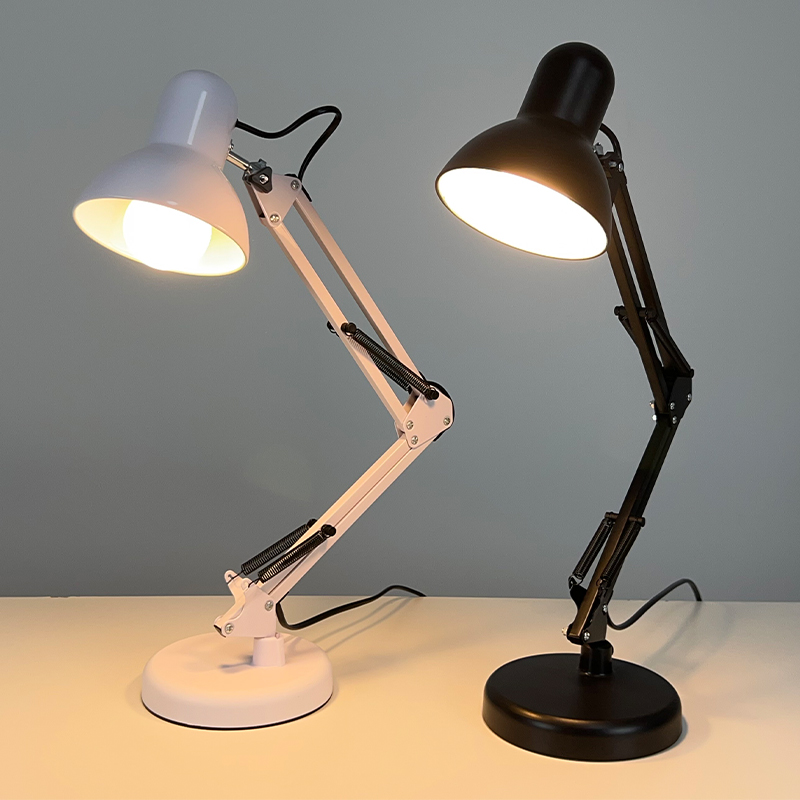
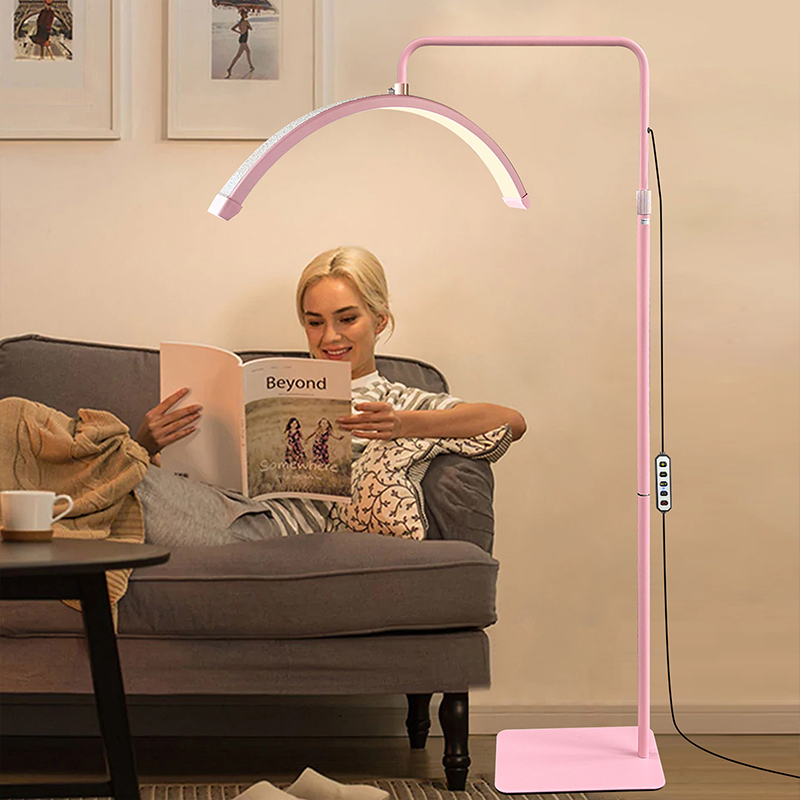
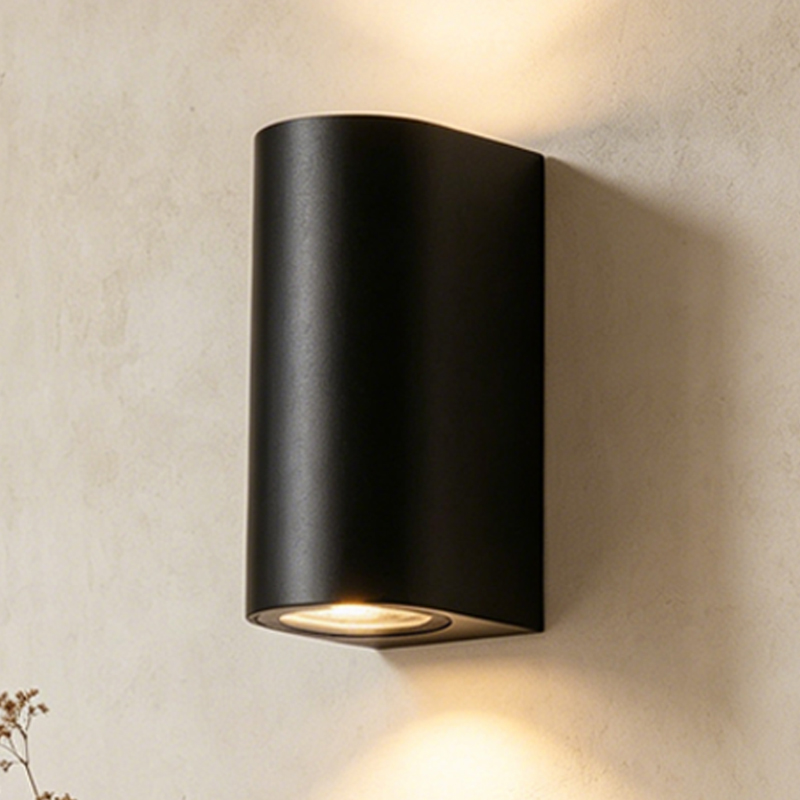
When choosing reading lamps, the first step is to understand the specific requirements of your target market. Consider factors such as lamp type (desk, floor, or  wall-mounted), light source (LED, incandescent, or fluorescent), and energy efficiency ratings. Ideally, the  reading lamps should have adjustable brightness levels and color temperatures to cater to various settings. For example, a Floor Lamp can provide versatile lighting options.

Key specifications to evaluate include:

Wattage and Lumens: Wattage indicates energy consumption,  while lumens measure  brightness. A reading lamp  should ideally provide between 400 to  800 lumens for effective illumination. Color Rendering Index (CRI): A high  CRI  value (90 or above) ensures accurate  color representation, which  is crucial for tasks requiring attention  to detail. Materials: Consider the durability  of materials used, such as metal, plastic, or wood, and their suitability for the lamp’s design and intended use. Certifications: Ensure that  the reading lamps meet local and  international safety standards,  such as CE and  UL certifications. 

Understanding these specifications will help you  select reading lamps that align with your customers' needs while maintaining compliance and quality.


Frequently Asked Questions

What types of reading lamps do you manufacture?

We manufacture desk, table, floor, wall, ceiling, and solar reading lamps with various styles and finishes to suit home and commercial needs.
Yes. Our reading lamps carry CE, UL, and ERP certifications and are produced under TUV/BSCI management for safety and efficiency compliance.
Yes. We offer customization for design, color, packaging, and certification requirements to meet retailer specifications and global market standards.
We provide warranty coverage and responsive after-sales support, assisting with defects, replacement parts, and technical guidance to ensure customer satisfaction.
Yes. We offer energy-efficient LED models and solar-powered reading lamps designed for low energy use and reliable performance in various settings.

Get a Free Quote

Our representative will contact you soon.
0/1000