LED Ceiling Lighting: Key Insights for Buyers

application/led-on-ceiling, application/led-on-ceiling, 
Inquiry
Inquiry

led on ceiling

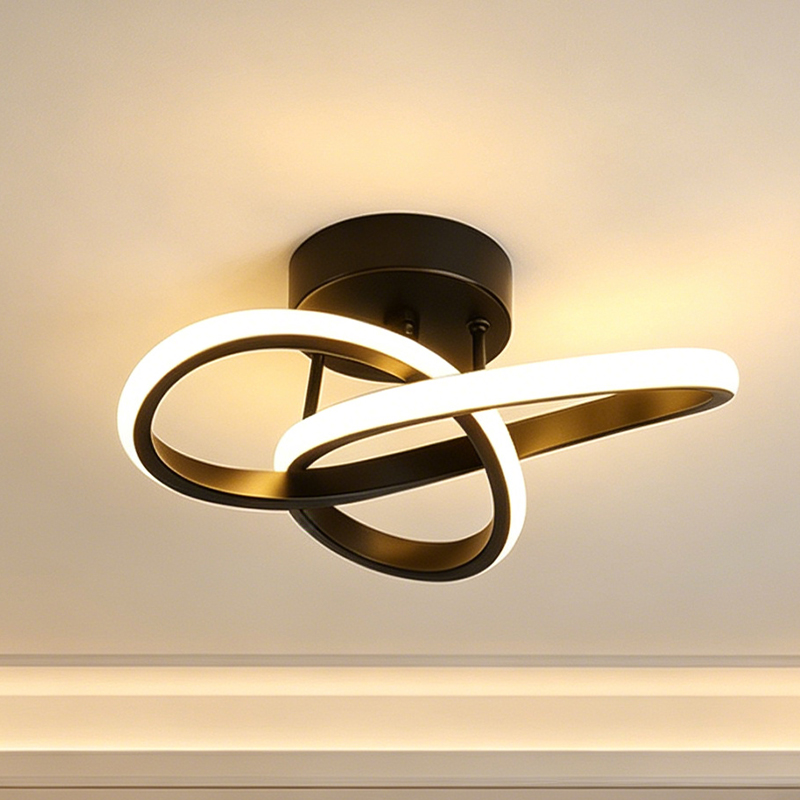
LED ceiling lights are increasingly  popular  in commercial and industrial spaces  due to their energy efficiency, longevity,  and versatility.  As a B2B buyer, understanding the  nuances  of  LED ceiling lighting  is crucial  for making informed  purchasing decisions. This article will  explore  key  considerations such  as cost factors, installation  guidance, common issues, and applications across various industries, ensuring you have  the necessary  knowledge to select the right solution for  your needs.


Cost Factors to Consider When Purchasing LED Ceiling Lighting

The total cost of  LED ceiling lighting  encompasses more than just the unit price. Several factors can influence the overall expenditure:


Initial  Purchase  Price: While LED  lights can have a higher upfront cost compared to traditional lighting, their longer lifespan  and energy savings can lead to lower total cost of  ownership.

Installation Costs: Installation can vary based on the complexity of the setup  and  whether  existing infrastructure can accommodate  the new fixtures. It’s advisable to factor  in labor costs, especially if retrofitting is required.

Energy  Savings: LED lights consume significantly less energy than incandescent or fluorescent  options. Calculating the potential savings on energy bills can provide a clearer picture of long-term  costs.

Maintenance and Replacement: LEDs typically last 25,000 to  50,000 hours, reducing the frequency of replacements. However, consider whether your facility requires  additional maintenance or has specific environmental factors that could affect lifespan.

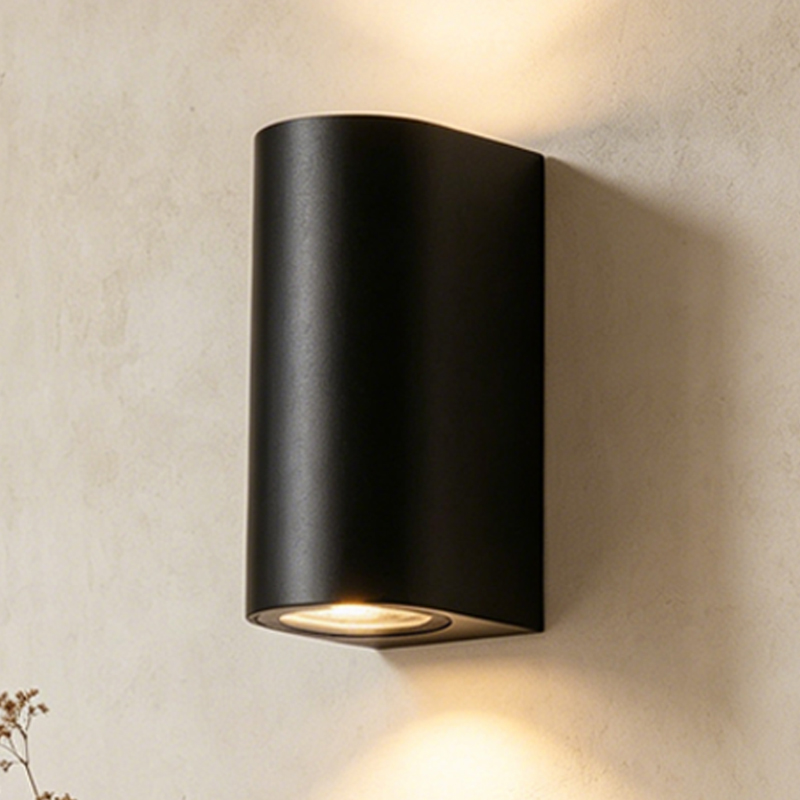
Customization and Features: Features such as dimming capabilities, smart  controls, or custom designs can increase costs but may also  enhance functionality and energy efficiency. You might consider options like LED Wall Light IP65 Crystal Outdoor Exterior Modern for added versatility.

Understanding these costs will enable you to make a more informed decision and justify your investment in LED ceiling lighting.

Installation Guidance for LED Ceiling Lights in Commercial Spaces

Proper installation of LED ceiling lights is critical to achieving optimal performance. Here are key considerations:


Assessment of Existing Wiring: Before installation,  evaluate the existing electrical infrastructure to ensure compatibility with LED fixtures. This includes checking for appropriate  voltage and amperage.

Fixture Placement: Proper  spacing of fixtures is essential for uniform lighting. In  open spaces, fixtures should typically be placed  8-12 feet apart, depending on the lumen output and desired brightness  levels.


Mounting Options: Different types of LED  ceiling lights (recessed, surface-mounted, or suspended) require different  installation methods. Ensure that  the selected mounting option is suitable for the ceiling type and height in the space.

Compliance with  Safety  Standards: Installations should comply with local codes and  regulations. This includes ensuring that fixtures are rated for the intended environment, particularly  in areas exposed to moisture  or other hazardous conditions.

Testing and Adjustment: After  installation, conduct thorough testing to ensure  that all fixtures are functioning correctly and that the desired light levels are achieved. Adjustments may be necessary to optimize performance.

Following these  guidelines will help ensure a smooth installation process  and maximize the benefits of your LED ceiling lights.

Common Problems with LED Ceiling Lights and Effective Solutions

While LED ceiling  lights offer numerous advantages, some common issues may arise:

Flickering Lights: Flickering can occur due to incompatible dimmers or faulty  wiring. Ensure that  any dimmers used are specifically designed for  LED lights and check the wiring for loose  connections.

Color Temperature Variation: Inconsistent color  temperature can result from mixing different batches of products or using lights from different manufacturers. Stick to a single manufacturer  and batch when purchasing to  ensure uniformity.

Overheating:  Although LED  lights  generate  less heat than traditional bulbs, inadequate ventilation can cause overheating, leading to reduced lifespan. Ensure  fixtures are  installed in well-ventilated areas and that any  heat sinks are adequately positioned.

Short Lifespan: If lamps fail  prematurely, it could indicate issues with the quality  of the  product  or improper installation. Opt for products with recognized certifications (like CE/UL/ERP) and consider conducting quality inspections  upon receipt.

By addressing these common issues early, you can improve the reliability and performance of your LED ceiling lighting solutions.

Applications of LED Ceiling Lighting in Various Industries

LED  ceiling lights are versatile and can be used across various sectors, including:

Retail: In retail environments, LED ceiling lights enhance product  visibility  and create an inviting atmosphere. They can be used for general lighting as well as accent lighting  to highlight displays.

Healthcare: Hospitals and clinics  require consistent, bright lighting that is  easy on the eyes. LED ceiling lights provide excellent  illumination  that can enhance patient  comfort and improve staff productivity.

Education:  Classrooms and lecture halls benefit from the energy  efficiency and long lifespan of LED lighting. Properly designed lighting  can improve learning environments and reduce strain on students and teachers.

Industrial: In warehouses  and  manufacturing facilities,  LED ceiling lights provide robust illumination that enhances safety and efficiency. Their durability makes them suitable for harsh environments.

Hospitality: Hotels and restaurants use LED ceiling  lights to create ambiance while keeping energy  costs low. Dimmable options allow for flexibility in lighting design, catering to different times of day and  activities.

By understanding the applications of LED ceiling lighting, you can better assess its suitability for your specific industry needs and choose the right products accordingly.

Incorporating LED ceiling lights in your commercial space can lead to substantial energy savings and improved aesthetics,  making  them a wise investment for any business.

What You Need to Know

When selecting LED ceiling lights, it's important to understand different specifications and  their  implications. Key factors to consider include lumen output, color temperature, and wattage. Lumen  output indicates the brightness of the light; for instance, a typical  LED  ceiling  light can produce anywhere from 800 to 3,000 lumens, depending on the application. Color temperature, measured in Kelvin (K),  affects the ambiance; options typically range from warm white (around 2700K) to cool white (5000K and above), influencing  how spaces feel and function.

Additionally,  the efficiency  of  LED lights is measured in lumens per watt  (lm/W),  which  indicates how much light is produced for each watt  consumed. Higher lm/W ratings signify better energy efficiency, which is  a crucial consideration for reducing  operational costs in commercial settings.  Understanding these specifications  will help you choose the right product that meets both performance and budgetary  requirements. For example, exploring options like IP65 Waterproof LED Wall Light 12W Up Down Outdoor Aluminum Sconce can provide you with durable solutions that fit your needs.

Frequently Asked Questions

What types of LED ceiling lights do you offer?

We manufacture a range of LED ceiling fixtures including flush, recessed, panel, and decorative ceiling lamps suitable for residential and commercial spaces.
Yes. Our LED ceiling products carry CE, UL, and ERP certifications and are produced under TUV/BSCI management for compliance and quality.
Yes. We offer customization on size, color temperature, finish, and packaging to meet retailer or project requirements, subject to minimum order quantities.
Standard lead times vary by order size; generally production lead time is 4–8 weeks after order confirmation and artwork approval for customized orders.
We provide warranty coverage and technical support for our LED ceiling products. Specific warranty terms depend on the product model and purchase agreement.

Get a Free Quote

Our representative will contact you soon.
0/1000