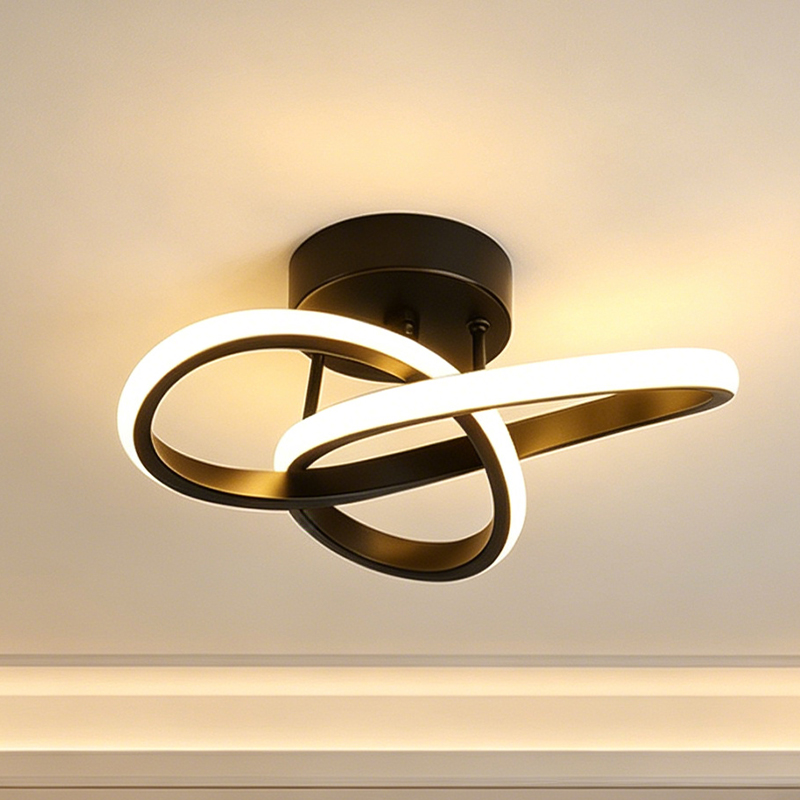
Understanding Material Advantages in Dining Table Lamps
The choice of materials in dining table lamps significantly impacts both functionality and aesthetic appeal. Here's a breakdown of common materials and their advantages:
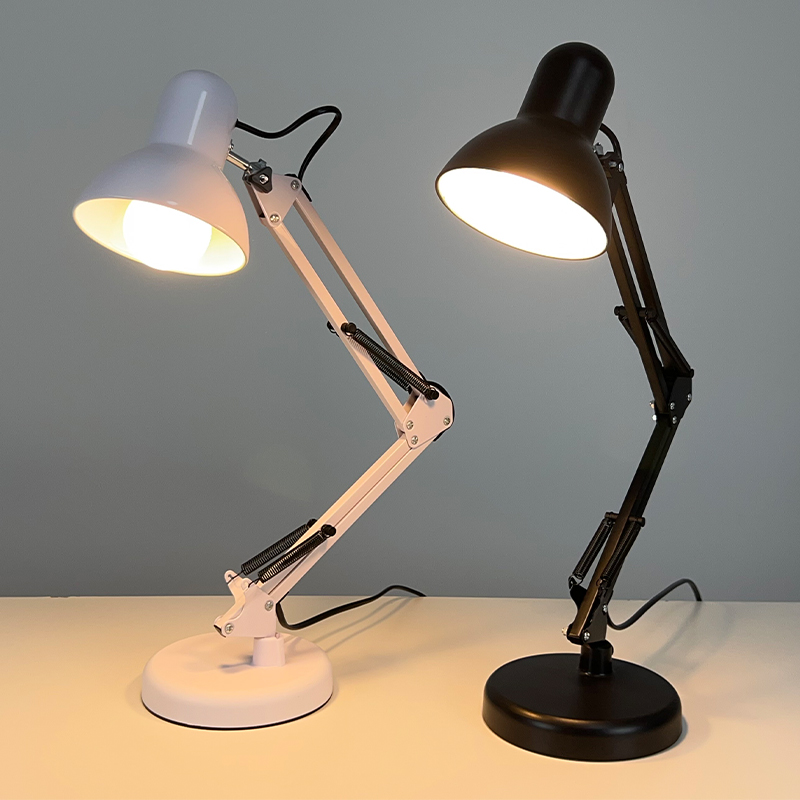
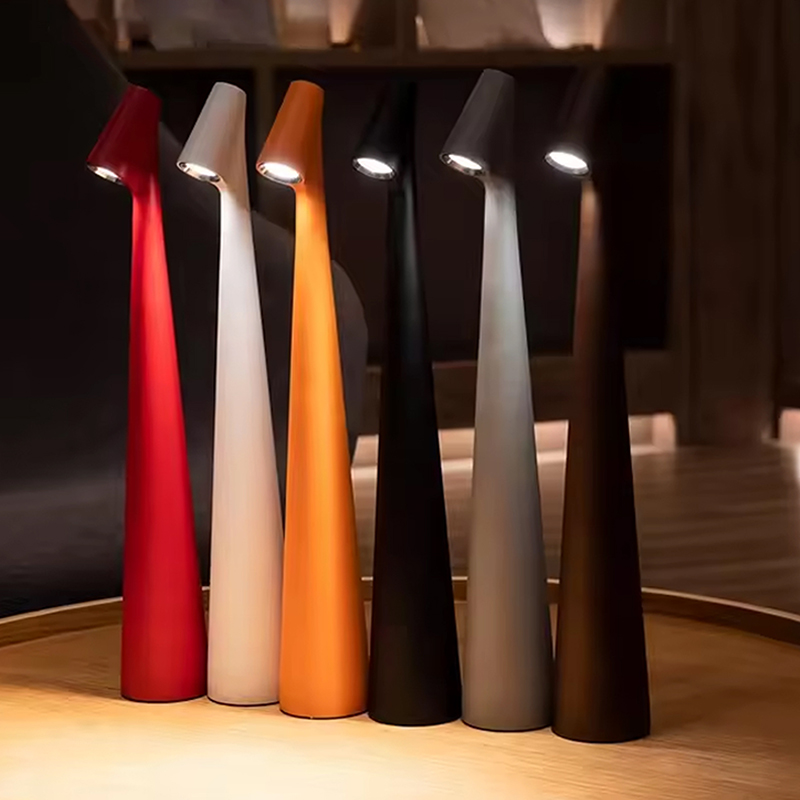
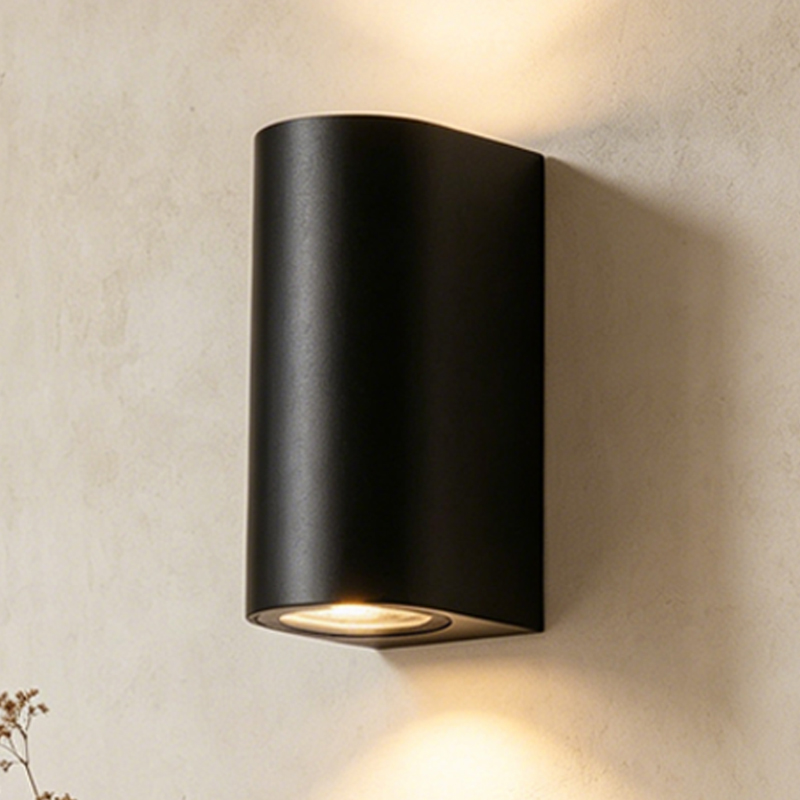
Metal: Often used for bases and frames, metal offers durability and a modern aesthetic. It can withstand wear and provides stability, making it a popular choice for dining table lamps.
Glass: Glass lampshades can enhance light diffusion and create an elegant appearance. However, ensure that the glass is tempered for safety, especially in high-traffic dining areas.
Wood: Wooden bases provide a warm, inviting look and can be sourced sustainably. However, consider the finish and treatment to ensure durability against moisture and temperature changes.
Plastic: High-grade plastics are lightweight and versatile. They can mimic other materials and are often more economical, making them suitable for budget-conscious buyers.
Fabric: Fabric lampshades can soften the light and add texture to a dining area. Ensure that the fabric is fire-retardant and easy to clean, especially in dining settings where spills may occur.
when sourcing dining table lamps, a comprehensive understanding of specifications, quality evaluation, common issues, and material advantages is essential for making informed purchasing decisions. By considering these factors, B2B buyers can enhance their offerings and meet customer expectations effectively.
 EN