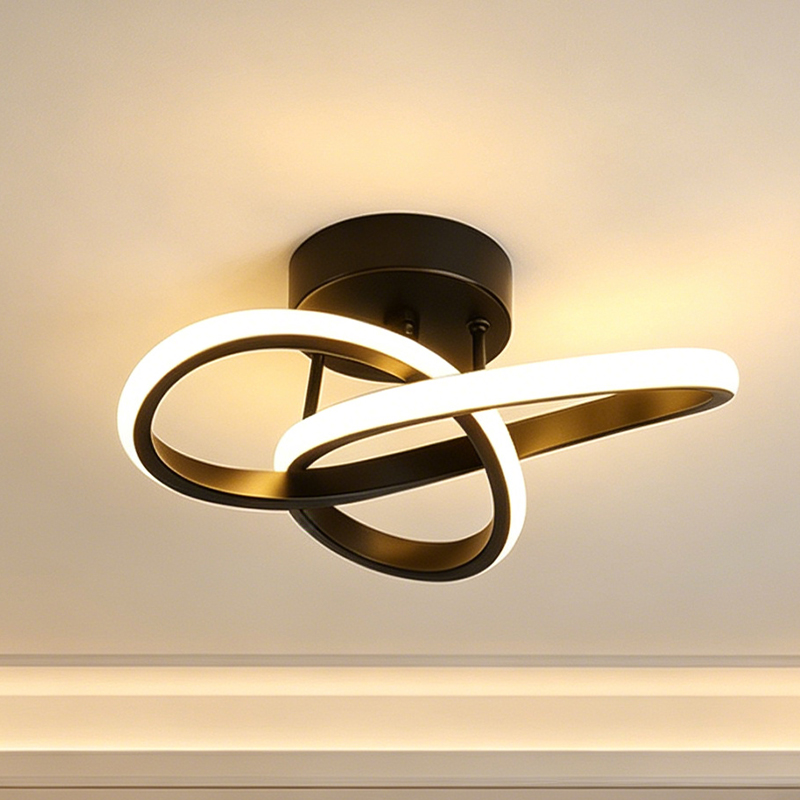
Common Problems with Ceiling Lamps and Effective Solutions
Even high-quality ceiling lamps can encounter issues over time. Some common problems include flickering lights, insufficient brightness, and physical damage. Addressing these concerns promptly can prolong the lifespan of the fixtures and enhance user satisfaction.
Flickering Lights: This issue often arises from loose connections or incompatible dimmer switches. Ensure that all connections are secure and that the dimmer switch is compatible with the lamp type, particularly if using LED lamps.
Insufficient Brightness: If a ceiling lamp does not provide adequate illumination, consider the bulb wattage and type. Upgrading to higher wattage bulbs or changing the bulb type (e.g., from incandescent to LED) may resolve the issue. Additionally, ensure that the lamps are appropriately positioned to maximize light distribution.
Physical Damage: Scratches, dents, or broken components can detract from a lamp's appearance. Regularly inspect fixtures for damage and replace any defective components as needed. If the lamps are in high-traffic areas, consider using protective covers or choosing more durable designs to minimize wear and tear.
By being aware of these common issues and their solutions, buyers can maintain the quality and functionality of their ceiling lamps, ensuring long-term satisfaction and performance.
In summary, selecting ceiling lamps for bedroom projects requires careful consideration of design, quality, and safety features. By focusing on these elements and being aware of common problems, B2B buyers can make informed decisions that meet their specific needs and enhance the overall appeal of the spaces they are designing.
 EN