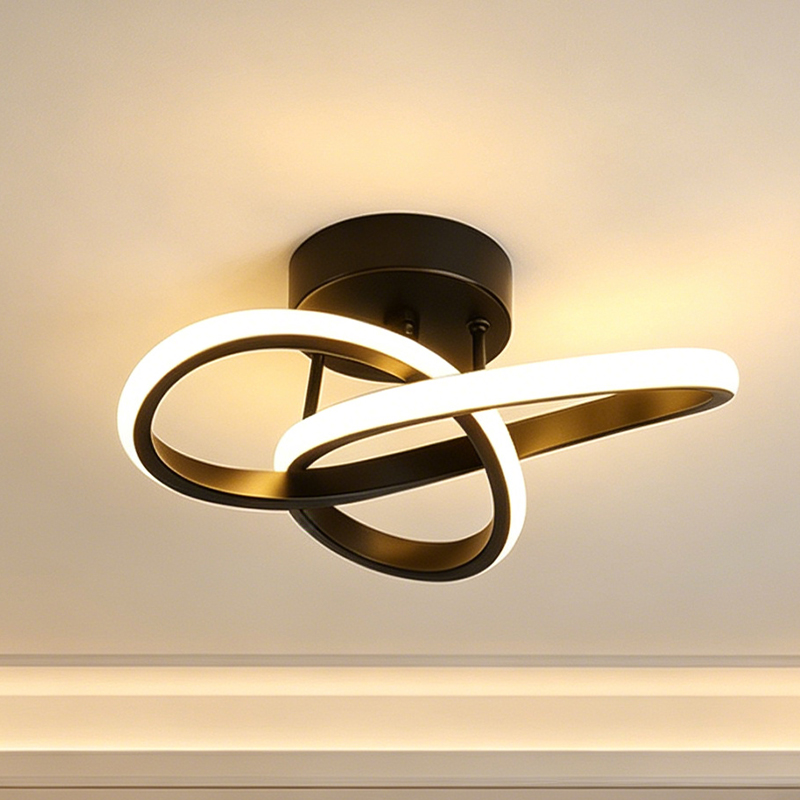
LED Ceiling Lights for Bulk Orders: Key Considerations

application/led-ceiling-lights, application/led-ceiling-lights, 
Inquiry
Inquiry

led ceiling lights

LED  ceiling lights offer  a versatile and  energy-efficient  lighting  solution  for  commercial and industrial spaces.  When considering bulk  orders,  B2B  buyers often prioritize compliance,  quality,  and cost-effectiveness. This article  will guide you through  essential factors to  evaluate when purchasing  LED ceiling  lights,  including specifications, performance, potential issues, and applications  in various environments.

Why choose I-ESSENCE led ceiling lights

Our Products

What to Consider When Choosing LED Ceiling Lights for Bulk Orders

When selecting LED ceiling lights for bulk orders, several key considerations can impact both the immediate and long-term satisfaction of your  purchase. First,  assess the lighting requirements of your space.  This includes determining the appropriate  lumen output for brightness, the color temperature to match the environment, and the beam angle  suitable for  your application.

Next, consider the compliance  and certification requirements. For example, products from iGUANGZHOU I-ESSENCE  ELECTRIC CO., LTD. come with CE, UL,  and ERP certifications, ensuring they  meet international safety and performance  standards. This is  crucial for  global retailers and distributors who must adhere to strict regulations.

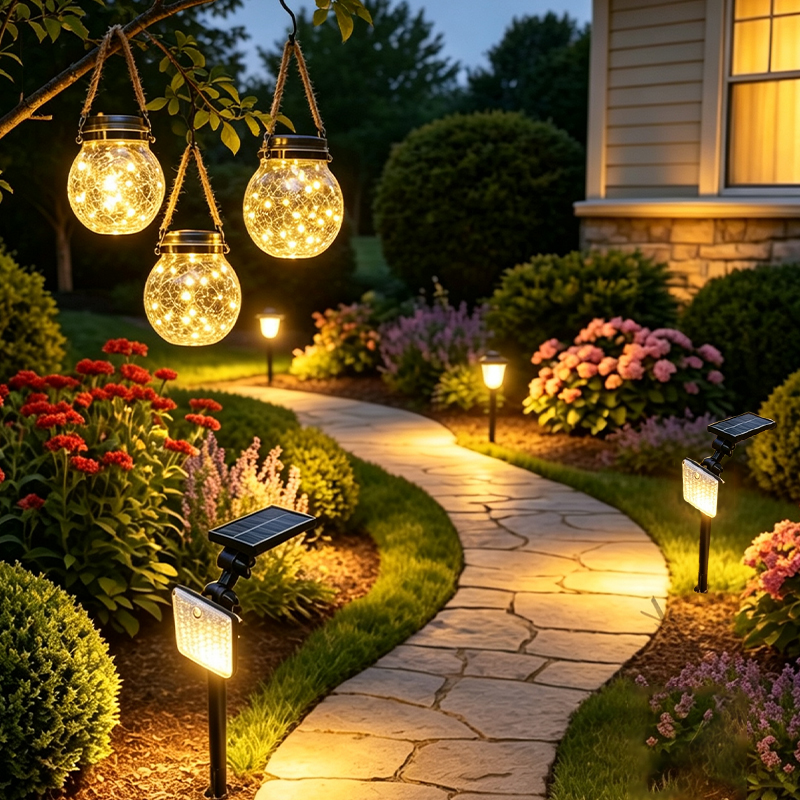
Moreover, assess  the supplier's manufacturing  capabilities.  Look for a manufacturer that can  deliver  consistent quality and has established quality  control processes. They should also provide customization options to meet specific project needs, including size,  wattage, and design variations. For instance, if you're looking for a stylish addition to your project, consider options like a Solar Lamp to enhance your lighting solutions.

Frequently Asked Questions

Our Blog Posts

What Our Partners Say

Key Specifications of LED Ceiling Lights That Impact Your Purchase

Understanding the specifications of LED ceiling lights is essential for making an  informed purchasing decision. Here are some key specifications to consider:

Lumen Output: This measures  the amount of light emitted and affects visibility in your space. Ensure the lumen output aligns with your lighting  needs,  as insufficient  lighting can lead to safety concerns and decreased productivity.

Color  Temperature: Measured in Kelvin (K), color temperature influences the ambiance of a  space.  For example, warm white (2700K-3000K) is suitable for residential  areas, while  cool  white (4000K-5000K) is often preferred in commercial settings.

Wattage and Energy Efficiency: Higher wattage does not always equate to  better brightness. Assess the efficacy of the LED lights, which indicates  how many lumens  are produced per watt. A higher efficacy means  lower energy costs.

Lifespan:  LED lights generally have a long lifespan, often exceeding 25,000 hours. Understanding this can help in assessing  the long-term value  of your  investment.

Fixture Design and Size: The physical size and design of the fixtures must  match your installation site. Consider compatibility with existing infrastructure and the aesthetic requirements of your space.

Quality, Cost, and Performance

Quality, cost, and performance are interlinked factors that every buyer must evaluate carefully. While it may be  tempting to choose  the lowest-priced option, the overall  performance and longevity of cheap LED ceiling lights can lead to higher costs  in the long run due to frequent replacements and higher energy consumption.

To ensure quality, inspect the materials used in the fixture. For example, aluminum housing is typically more  durable than plastic and can  better withstand environmental conditions.  Additionally, look for manufacturers with robust quality control  systems. iGUANGZHOU I-ESSENCE  ELECTRIC CO.,  LTD. employs TUV/BSCI management practices, which can be an indicator of their commitment to quality.

Furthermore, consider the performance under various conditions. LED lights  should be tested for temperature fluctuations,  humidity, and other environmental factors  that  may affect  their  operation. Properly assessing these elements will  ensure that the  products you  choose will perform well  in your specific applications.

Common Problems with LED Ceiling Lights and Their Solutions

Understanding  common issues associated with LED ceiling lights can help you mitigate potential problems after purchase. Here are a few  frequent concerns and their solutions:

Flickering Lights:  This  issue often arises from  incompatible dimmers or voltage fluctuations. Ensure that the lights are compatible with the dimming systems  in  place or  opt for fixtures specifically  designed for dimming.

Color Shift Over Time: Some lower-quality LEDs  may  experience color shift,  where  the light emitted changes color as the fixture ages. Opt for products from reputable manufacturers that guarantee  color consistency over the lifespan of the product.

Heat Management: LED lights can generate heat, which  can affect their performance. Ensure  that selected fixtures come with adequate heat  dissipation features,  such as aluminum heat sinks, to  maintain optimal performance.

Short Lifespan: If LED lights fail prematurely, check for quality issues in the manufacturing  process. Always request samples before bulk orders to verify performance under your specific conditions.

By addressing these potential problems during the selection process, you can enhance the reliability and satisfaction of your lighting solutions.

Applications of LED Ceiling Lights in Commercial Spaces and Beyond

LED ceiling lights are suitable for a variety of applications across different commercial spaces. Their versatility makes them ideal for:

Office Spaces: Providing adequate bright lighting improves productivity and employee well-being. Offices often  utilize  LED ceiling  lights for their energy efficiency and low maintenance costs.

Retail  Environments: The ability to adjust color  temperature and brightness allows retailers to create engaging displays that attract customers.

Hospitality: In hotels and restaurants, LED ceiling lights can enhance the ambiance while also reducing energy costs, making them a popular choice in the hospitality industry. You might also consider using a Solar Patio Light for outdoor dining areas.

Industrial Settings: High-bay LED lights are frequently used in warehouses and manufacturing facilities due to their durability and efficiency, ensuring safety and visibility in large spaces.

By understanding the specific  needs  of  your application,  you can  select LED ceiling lights  that not only meet aesthetic preferences  but  also enhance functionality  and energy savings.

In summary,  when considering LED  ceiling lights for bulk  orders, carefully evaluate specifications, quality, common issues, and their  diverse applications. By doing so,  you can  ensure that your purchase not only meets compliance standards but also provides value and performance for years to come.