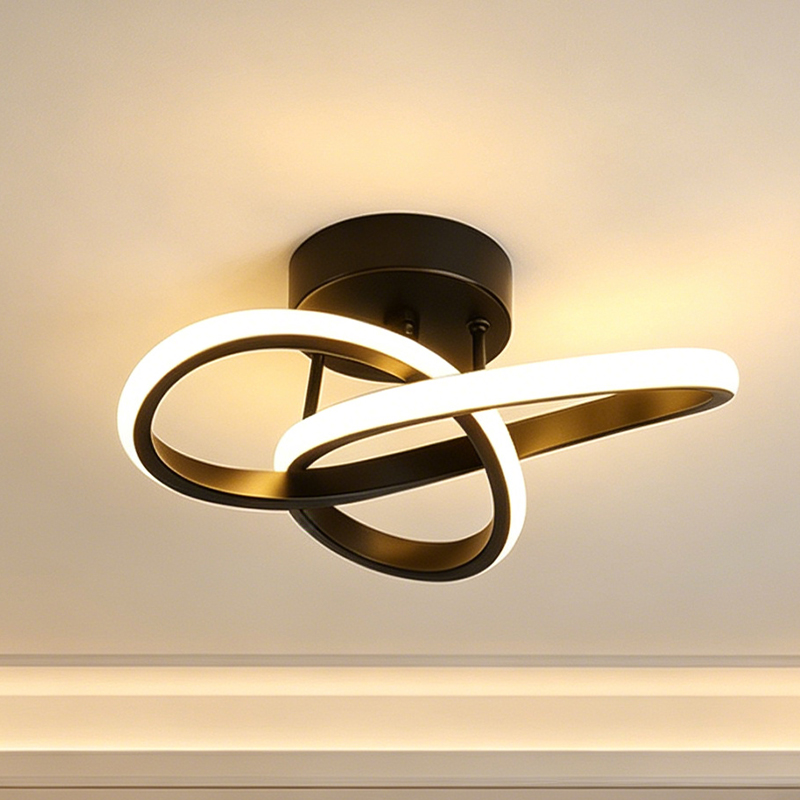
Choosing Quality Ceiling Lamps for Bedroom Projects

application/ceiling-lamps-for-bedroom, application/ceiling-lamps-for-bedroom, 
Inquiry
Inquiry

ceiling lamps for bedroom

Choosing ceiling  lamps for  bedroom use is an  essential task  for  interior  designers, architects, and purchasing managers in the lighting industry. The  right ceiling lamps can enhance  the aesthetic appeal  of a bedroom while providing  adequate illumination. Buyers often have concerns  about  the  quality, safety, and suitability of these  products  for various applications. This article will guide you  through the key considerations for selecting ceiling lamps for bedroom  projects, focusing  on quality, materials, safety, and common issues,  ensuring you make informed  purchasing decisions.

Top Quality Considerations for Bedroom Ceiling Lamps in Wholesale

When purchasing ceiling  lamps in wholesale quantities, quality should be  a top priority. Look for products with relevant  certifications such as CE, UL,  and ERP, which indicate compliance with  safety and performance standards. These  certifications ensure that the lamps  have undergone rigorous testing and meet international  safety regulations.

Another vital aspect of quality is the materials used in manufacturing. High-quality ceiling lamps  are typically made from  durable materials such as metal or high-grade plastics that withstand wear  over time. Ensure that the lamps  have a robust finish to resist fading and  corrosion,  particularly in environments with varying humidity levels.

Quality control processes during  manufacturing are also critical. A reputable supplier will conduct inspections at various stages of  production, from raw material sourcing  to final assembly, ensuring that every lamp meets the established quality standards. Requesting information about the supplier's quality  control measures can help you gauge their  commitment to delivering reliable products.

Comparing Material Advantages of Ceiling Lamps for Bedroom Use

The choice of materials in ceiling lamp construction significantly affects their performance, appearance, and durability. Common materials include:

Metal: Often used for frames and fixtures, metal offers strength and a modern aesthetic. It  is suitable for a variety of styles and can be finished in various colors to  match  room decor.

Glass: Glass lamps  provide an elegant  look and can diffuse light beautifully. However,  they may be  more  fragile than metal options  and require careful handling  during installation.

Plastic: Lightweight  and often more cost-effective, plastic lamps can mimic the appearance of metal or glass while being less prone to  breakage. However,  they may not have the same visual appeal as other materials.

Wood: Wooden elements  add warmth and a natural aesthetic  to ceiling lamps. They can be a sustainable choice if sourced responsibly,  but they may require more maintenance to preserve their appearance.

When  selecting materials, consider the lamp's intended application, potential exposure to moisture,  and  overall design  compatibility with the bedroom environment.

Ensuring Safe Setup

Safety is paramount when installing ceiling lamps, particularly in residential and commercial settings.  Before installation,  ensure  that the electrical system  can  support the lamp's wattage and voltage requirements. This  step  is crucial to prevent electrical hazards.

It's also  essential  to follow the manufacturer's installation  instructions carefully. Improper installation can  lead to safety issues,  including electrical  shorts or fixtures falling. If unsure,  consider hiring a qualified electrician to handle the installation, especially for complex setups or when dealing with high ceilings.

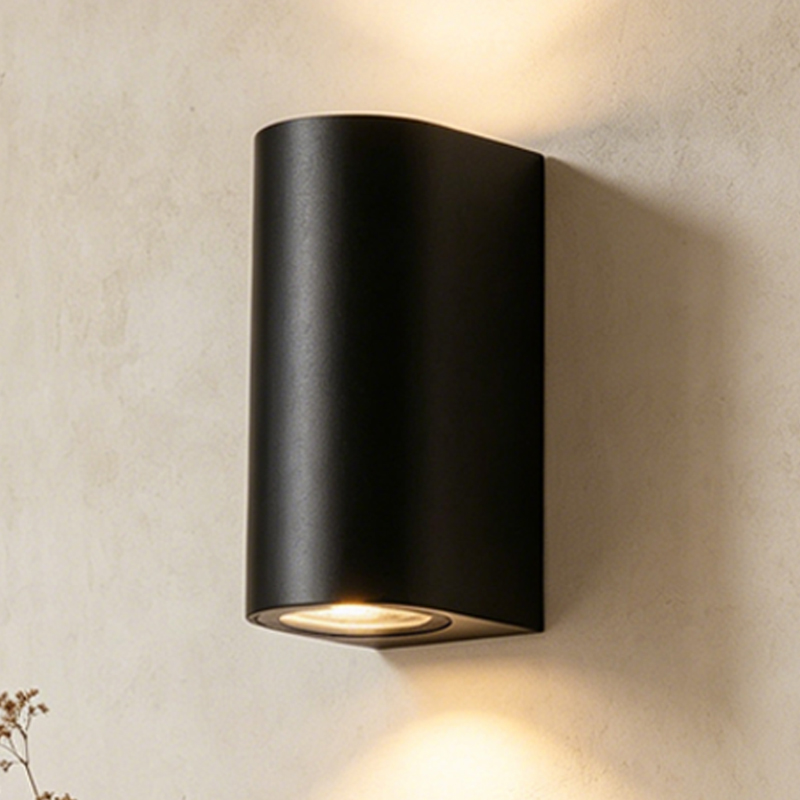
Additionally, verify  that the fixtures are suitable for the intended space. For instance,  if  the  bedroom has higher humidity levels, such as in an en-suite bathroom, ensure that the  lamps are rated for damp locations. This precaution will help prevent damage and ensure longevity.  You may want to consider options like the Waterproof Wall Light IP65 E27 Up Down Outdoor Indoor for such environments.

Common Problems with Ceiling Lamps and Effective Solutions

Even high-quality ceiling  lamps can encounter issues over time. Some  common problems include flickering lights, insufficient brightness, and physical damage. Addressing these concerns promptly can prolong the lifespan of the fixtures and enhance user  satisfaction.

Flickering Lights: This issue often arises from loose connections  or incompatible dimmer switches. Ensure that  all connections are secure and  that the dimmer switch is compatible with the lamp type, particularly  if using LED lamps.

Insufficient Brightness: If a ceiling  lamp does not provide adequate illumination, consider the bulb wattage and type. Upgrading to higher wattage bulbs or  changing the bulb type (e.g., from incandescent  to LED) may resolve the issue. Additionally, ensure that the  lamps are appropriately positioned to maximize  light distribution.

Physical Damage: Scratches, dents,  or broken components can detract from a lamp's appearance. Regularly inspect fixtures for damage and replace any defective components  as needed. If the lamps are in high-traffic areas, consider using protective covers or  choosing more durable  designs to minimize wear and tear.

By being aware of these common issues and their solutions, buyers can maintain the quality and functionality of their ceiling lamps, ensuring long-term satisfaction and performance.

In summary, selecting ceiling  lamps for bedroom projects requires careful consideration of design, quality, and safety features. By focusing on these elements  and being aware of common problems, B2B buyers  can make informed decisions that meet their specific needs and enhance the overall appeal of the spaces they are designing.

How to Choose the Right Ceiling Lamps for Your Bedroom Projects

Selecting the right ceiling lamps  for bedroom projects  involves several critical  considerations. First, assess the  room size and ceiling  height to determine  the appropriate lamp size and brightness needed. Larger rooms  typically  require more powerful lighting or multiple  fixtures, while smaller spaces might benefit  from compact designs.

Next, consider the design aesthetic. Ceiling lamps come in various styles, from  contemporary to traditional, and the choice should align with the overall  room decor. Additionally, the color temperature of the  lighting is essential; warmer tones create a  cozy atmosphere, while cooler tones can make the space feel more expansive.

Finally, think about  energy  efficiency and longevity. Opting for  LED Wall Light IP65 Aluminum Outdoor Up Down Light not only reduces energy consumption but also offers  longer lifespan and lower maintenance costs. This consideration is especially crucial for  commercial buyers looking to minimize operational expenses.

Frequently Asked Questions

Are these ceiling lamps suitable for bedrooms?

Yes. Our ceiling lamps are designed for bedroom use, offering soft, even illumination and dimmable options to create comfortable ambient lighting.
Our ceiling lamps carry CE, UL, and ERP certifications and are produced under TUV/BSCI management for compliance and safety.
Yes. We provide dimmable and adjustable models compatible with standard dimmers or built-in controls for customizable bedroom lighting.
We offer LED-integrated and LED-compatible fixtures in various wattages and color temperatures to suit different bedroom sizes and lighting preferences.
Yes. We manufacture at scale and supply compliant lighting solutions for global retailers, supporting bulk orders and retailer-specific requirements.

Get a Free Quote

Our representative will contact you soon.
0/1000