EN
Restaurant Lighting Design: How to Source Table Lamps That Drive Repeat Business
2026/07/28
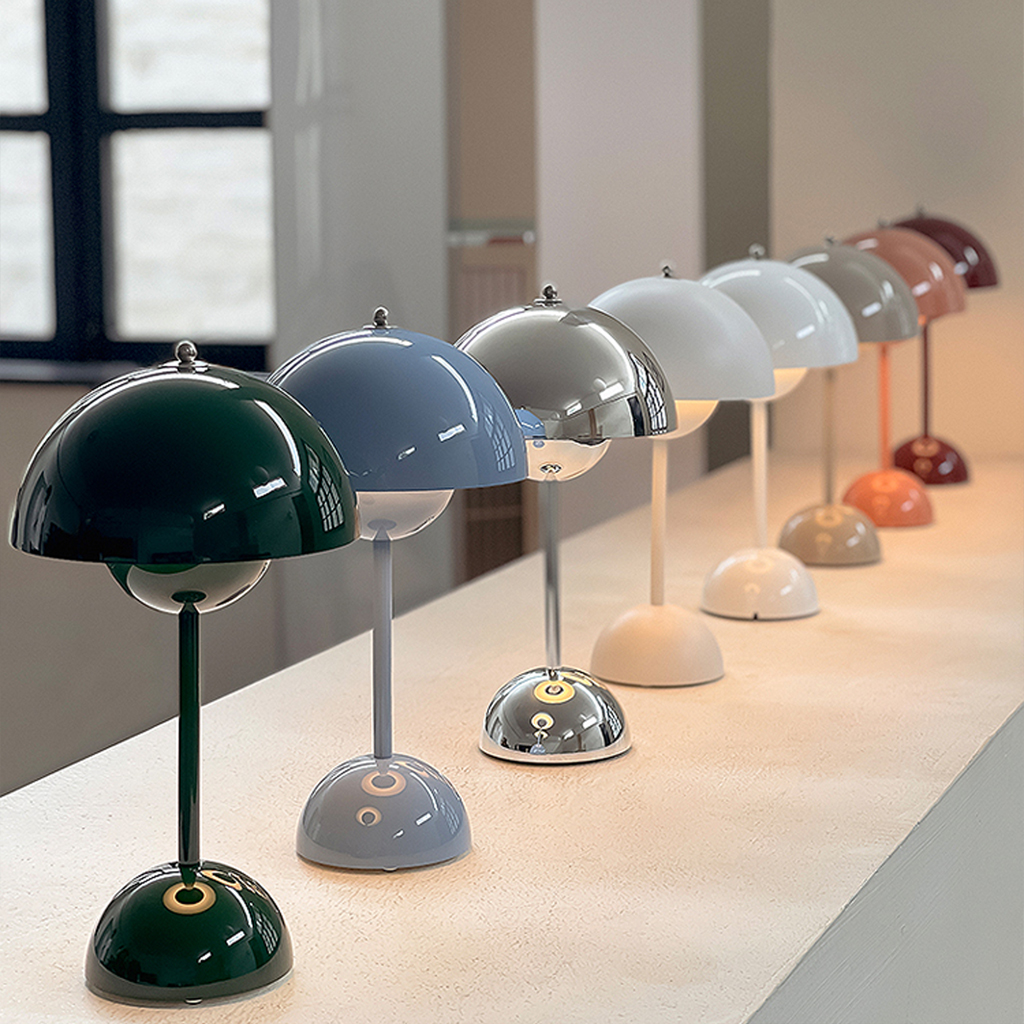
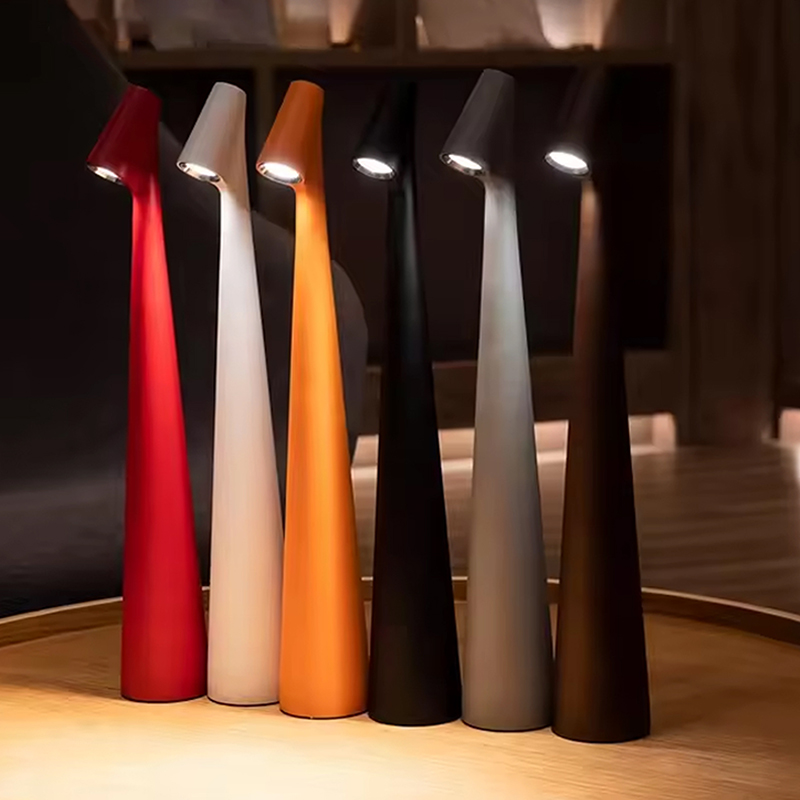
Discover how to source table lamps that enhance ambiance and drive repeat business in your restaurant.
2026/07/22
Certification compliance is the single biggest barrier between a lighting product and its target market. In 2026, regulatory landscapes on both sides of the Atlantic are tightening faster than ever. For importers, wholesalers, and e-commerce sellers, understanding the difference between CE and ETL certifications—and what each market actually requires—can mean the difference between smooth customs clearance and a container stuck at port for months.
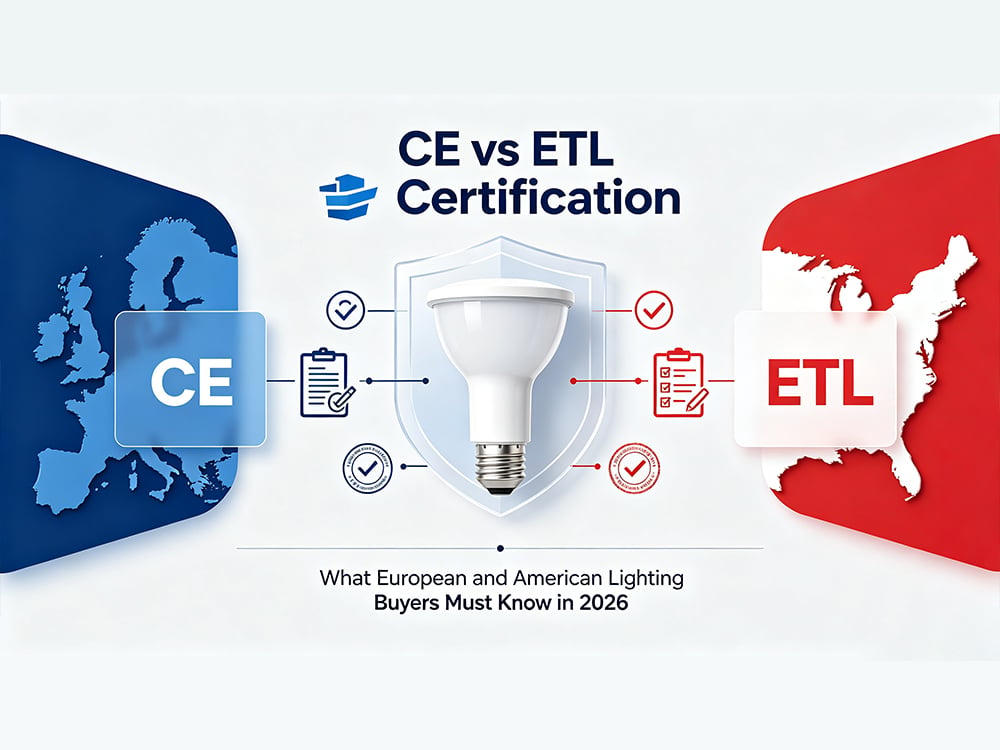
The CE marking is not a certification itself—it's a declaration that the product meets EU safety, health, and environmental protection requirements. For lighting products, this involves multiple directives:
Low Voltage Directive (LVD) 2014/35/EU: Electrical safety standards
Electromagnetic Compatibility (EMC) 2014/30/EU: Ensuring the lamp doesn't interfere with other electronics
Ecodesign Directive (ERP) 2019/2020: Energy efficiency requirements, including minimum luminous efficacy and standby power limits
RoHS Directive 2011/65/EU: Restricting hazardous substances like lead and cadmium
REACH Regulation: Chemical registration and restriction
The 2026 game-changer is the Digital Product Passport (DPP) requirement, rolling out under the Ecodesign for Sustainable Products Regulation (ESPR). By 2027, lighting products sold in the EU must carry a digital passport containing full material composition, repairability scores, and end-of-life instructions. Manufacturers who aren't preparing for this now will face market exclusion.
For buyers, this means your supplier must provide not just a CE certificate PDF, but complete technical construction files (TCF), test reports from accredited laboratories, and increasingly, digital passport data.
In the United States and Canada, product safety certification is market-driven rather than government-mandated—but no less critical. Major retailers, Amazon, and insurance companies require third-party safety certification.
ETL Listed: Products tested by Intertek to UL standards. ETL is fully equivalent to UL in legal standing and retailer acceptance, typically faster and less expensive to obtain.
UL Listed: Underwriters Laboratories certification, the most recognized brand in North American safety.
CSA Certified: Canadian Standards Association mark, required for products sold in Canada.
For lighting specifically, the relevant UL standards include:
UL 1598: Luminaires (general lighting fixtures)
UL 8750: LED equipment
UL 2108: Low voltage lighting systems
The 2026 complication for American buyers is the 28.9% effective tariff rate on Chinese lighting imports (25% Section 301 duty plus 3.9% base rate). Smart buyers are factoring certification costs into their total landed cost calculations from day one.
| Factor | CE (European Market) | ETL/UL (North American Market) |
| Legal basis | Mandatory by EU law | Market-driven but practically mandatory |
| Testing focus | Safety + energy efficiency + environmental | Primarily safety and fire prevention |
| Energy efficiency | ERP mandatory with strict efficacy requirements | Energy Star voluntary but retailer-preferred |
| Documentation | Technical Construction File + DoC | Test reports + follow-up inspections |
| Factory audits | Not always required | Required for ongoing listing |
| Cost range | $2,000-$8,000 per product family | $5,000-$15,000 per product family |
| Timeline | 4-8 weeks | 8-16 weeks |
If you're selling across both markets, you need a manufacturer who understands both systems—not one who treats certification as an afterthought.
For European Importers and Wholesalers: Verify that your supplier's CE certificates are issued by EU Notified Bodies (NB), not self-declared. Ask for the NB number and verify it on the NANDO database. Self-declared CE marks are increasingly challenged by customs authorities, especially in Germany and the Netherlands.
For Amazon and E-Commerce Sellers: Amazon's Compliance Dashboard now actively flags lighting products without proper safety certification. A single customer complaint about electrical safety can trigger a full ASIN suspension. Having ETL or UL documentation ready before your first shipment isn't cautious—it's survival.
For Project Contractors: Municipal and commercial RFPs increasingly require specific certification documentation as part of bid submissions. A contractor bidding on a school renovation can't use "certification pending" as a placeholder. Your supplier must have current, valid certificates with matching model numbers.
Our approach is certification-first, not certification-later:
Every product in our catalog ships with complete CE/ERP/RoHS/REACH documentation
ETL/UL certification paths are pre-mapped for products targeting North America
Technical files are maintained and updated as regulations evolve
Digital Product Passport readiness is being implemented across all product lines for 2027 compliance
When our Polish wholesale client ships to five different EU countries, they never worry about customs holds or market surveillance issues—because the documentation is complete, current, and verified.
Certification isn't bureaucracy—it's your product's passport to market access. In 2026, with DPP requirements approaching, tariffs fluctuating, and platform compliance tightening, working with a manufacturer who treats certification as a core competency isn't optional. It's the foundation of every successful cross-border lighting business.

2026/07/28
Discover how to source table lamps that enhance ambiance and drive repeat business in your restaurant.

2026/07/15
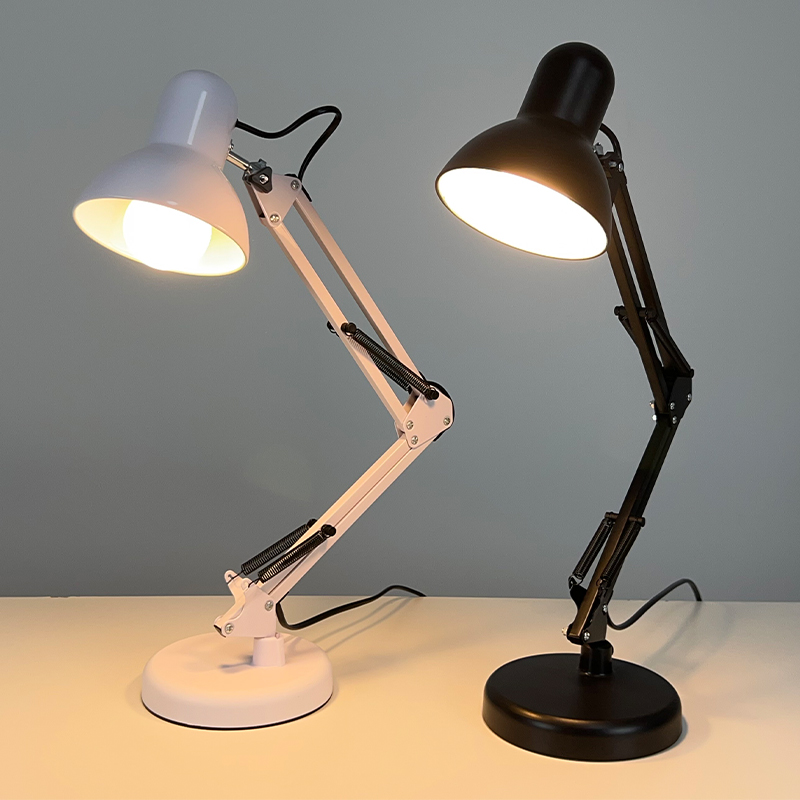
Learn how to choose a trustworthy LED desk lamp manufacturer for your e-commerce business and boost your product offerings.