Key Considerations for Wall Light Purchases

application/wall-light, application/wall-light, 
Inquiry
Inquiry

wall light

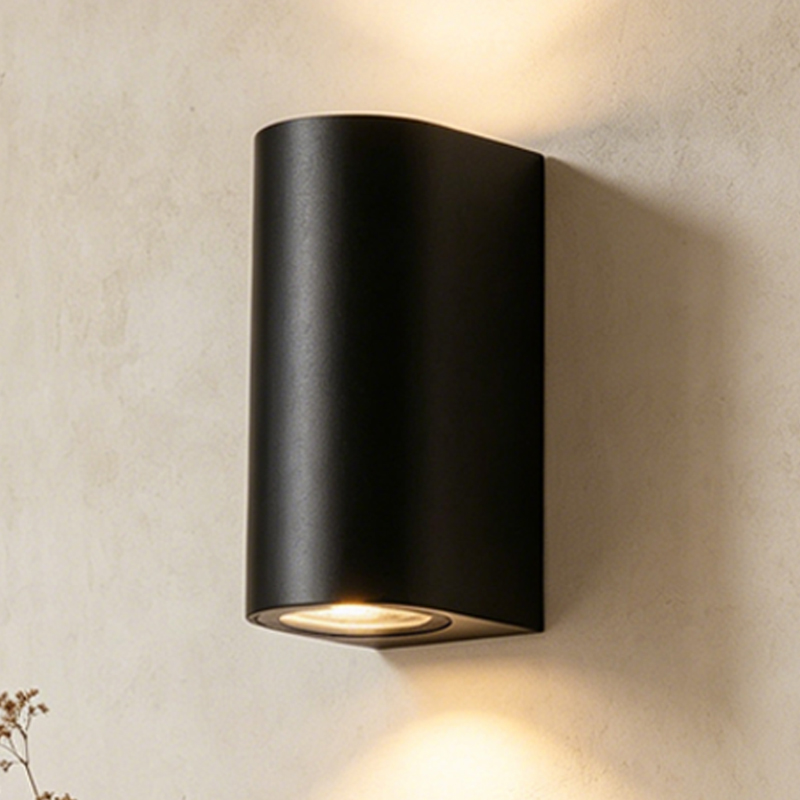
Wall lights  are  essential fixtures used in various settings,  from commercial spaces to residential environments, providing both functional and aesthetic  lighting  solutions. For B2B buyers, understanding the nuances  of  wall lights is crucial when  considering bulk purchases, as they  must  ensure compliance  with quality  standards, performance specifications,  and  application suitability. This article will guide purchasing managers and distributors  through  essential criteria for  evaluating wall lights, finding reliable suppliers, and  addressing common issues that may  arise during  the procurement process. If you are looking for specific types, consider exploring options like Solar Street Light for enhanced outdoor illumination.

Where to Find Reliable Suppliers for Wall Lighting Solutions

Identifying trustworthy suppliers  for wall lighting solutions can significantly streamline the purchasing process. Start  by  exploring  established platforms that connect manufacturers with buyers, such as trade shows, B2B  marketplaces, and  industry-specific directories. Engaging with  suppliers at trade shows allows  for direct interaction, providing a better understanding of their products and capabilities.

In addition, consider sourcing  suppliers from regions  known for lighting manufacturing,  such as China. Companies like iGUANGZHOU I-ESSENCE ELECTRIC CO., LTD. are recognized for their comprehensive product  lines and adherence to international quality standards. It's also beneficial to request references from  existing clients to  assess the supplier’s  reliability  and service  quality.

Online  reviews and testimonials can offer insights into other buyers’ experiences with prospective suppliers. Therefore, conducting thorough  research and comparison of multiple suppliers will help  establish a reliable partnership and ensure the procurement of quality wall lights.

Key Specifications to Look for in Industrial Wall Lights

When  evaluating industrial wall  lights, several key specifications should be prioritized:

Lumens Output: This measures the total light emitted by the fixture. For commercial applications, higher  lumens are often required to ensure adequate  illumination for workspaces.

Color Temperature: Measured in Kelvin (K), color temperature affects  the ambiance  of a  space. Choose cooler  temperatures (5000K-6500K) for task-oriented areas and warmer tones (2700K-3000K) for relaxation spaces.

IP Rating: The Ingress Protection (IP) rating indicates the fixture's resistance to dust and  moisture. An IP rating of at least IP65 is advisable  for outdoor or high-humidity environments.

Energy Efficiency: Look for energy-efficient options that comply with ERP standards, which can lead to long-term cost savings through lower energy  consumption.

Mounting Options: Different applications may require specific mounting styles, such as surface mount or flush  mount. Ensure  that the wall lights chosen are compatible with  the intended installation  method.


Understanding these specifications will help in selecting wall lights that not only  meet functional requirements but  also enhance the overall efficiency  and safety of the environment.


Cost Factors to Consider When Purchasing Wall Lights in Bulk

The cost of wall lights in bulk can vary based on several factors, including material choice, design complexity, and additional features such as dimming or smart technology. Buyers should consider the following when evaluating  costs:

Material Costs: High-quality materials often  come with a higher upfront cost but can  lead to reduced maintenance and replacement expenses over time.

Customizations: If specific features or custom  designs are required, these can significantly impact the overall price. Discuss customization options with suppliers  early in the negotiation process to align expectations.

Minimum  Order Quantities (MOQ): Some manufacturers may have MOQs that influence the pricing structure.  A higher MOQ might  reduce the per-unit cost, but it’s essential to  balance this with actual demand.

Shipping and Import Fees: Depending on the supplier's location, shipping  costs and import duties can add to the total expenditure. Buyers should factor these  into their budgeting to avoid unexpected  costs.

Long-term Costs: Evaluate the energy  efficiency and lifespan of  the wall lights. Investing in  higher-quality fixtures  may incur  a larger initial cost but can lead to savings in energy bills and replacement frequencies.


Understanding these cost factors allows buyers to  make  informed decisions that align with their budgets while ensuring they obtain quality products.

Common Problems with Wall Lights and Effective Solutions

Despite their utility,  wall lights can encounter common issues that may affect  performance and longevity. Recognizing these problems early can help mitigate potential disruptions.

Flickering or Dimming: This can result from poor connections, incompatible dimmers, or faulty  bulbs. Ensuring proper installation and using compatible components can help resolve these issues.

Overheating: Wall lights that overheat may be a  sign of inadequate ventilation or  poor-quality components. Buyers should ensure that wall lights are designed for the specific environment and have appropriate  thermal management features.

Moisture Damage: In humid  environments, water ingress  can damage electrical components. Choosing products with adequate IP ratings and ensuring proper sealing during  installation can prevent  moisture-related  failures.

Short Lifespan: If wall lights fail prematurely, it may be due  to low-quality bulbs or improper usage. Opting for fixtures with long-lasting LED technology  can significantly reduce replacement frequency.

Installation Errors: Incorrect installation can lead to misalignment or electrical issues. It is crucial to follow manufacturer guidelines and, if necessary, engage professional installers to ensure compliance  with  local codes  and safety standards.

By understanding these common problems and their solutions, buyers can make informed decisions  that enhance the reliability and performance of their  wall  lighting solutions.


How to Evaluate the Quality of Wall Lights for Bulk Orders

When  purchasing wall lights in bulk, quality evaluation should begin with the product's materials and construction. High-quality wall lights typically use durable materials such as  aluminum  or high-grade plastics, which can withstand  various environmental conditions. Look  for products that  have undergone rigorous quality control processes,  including testing for durability, finish, and electrical  safety.

Another critical aspect is certification.  Wall lights should comply with relevant safety and performance  standards, such as CE or UL certifications. These certifications indicate that  the products  have been tested for safety  and reliability, making them suitable for commercial and industrial applications. For those interested in versatile lighting solutions, products like the Solar Patio Light can also be a great addition.

Additionally, consider  the manufacturer’s  production capabilities and quality systems. A reliable manufacturer will  have a documented quality management system, such as TUV  or BSCI certifications, ensuring that their products consistently meet quality standards. Requesting samples prior to bulk orders can also provide insight into the  product's  quality and help  validate the supplier’s claims.

Frequently Asked Questions

What types of wall lights do you manufacture?

We produce LED and traditional wall lights including indoor decorative, outdoor waterproof, adjustable reading, and energy-efficient models suitable for residential and commercial use.
Yes. Our wall lights meet CE, UL, and ERP standards and are produced under TUV and BSCI-managed systems to ensure quality and regulatory compliance.
Yes. We offer customization for design, finish, color temperature, and private labeling to meet retailer specifications and project requirements.
We offer product warranties and technical support. Specific warranty terms depend on the model and order; please contact sales with model details for exact coverage.
Yes. We supply large-volume orders and have experience working with global retailers, providing compliant packaging, testing documentation, and on-time delivery.

Get a Free Quote

Our representative will contact you soon.
0/1000