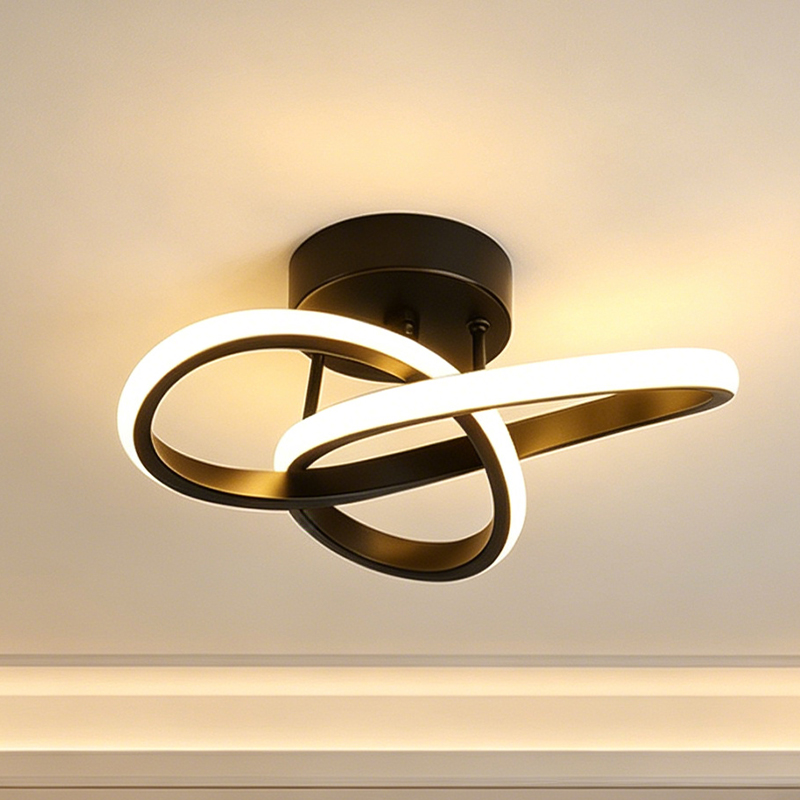
Quality Overhead Lighting for Commercial Spaces

application/overhead-lighting, application/overhead-lighting, 
Inquiry
Inquiry

overhead lighting

Overhead lighting is a critical component in  commercial  and  industrial environments,  influencing not  only visibility  but also safety and productivity. As  a purchasing manager or  product  manager, sourcing high-quality overhead lighting involves navigating specifications, understanding installation requirements,  and evaluating potential  problems. This article will  guide you through the essential  considerations  for  purchasing overhead lighting,  helping  you make informed decisions  that align  with  your operational needs.

How to Evaluate Overhead Lighting Specifications Before Buying

Evaluating specifications is crucial to ensure that  the overhead lighting meets  your application requirements. Key specifications  to consider include:

Lumen Output: This measures the brightness of the  light. Higher  lumen output is necessary for areas requiring extensive visibility,  such as warehouses. Color Temperature: Measured in  Kelvin (K), this affects the ambiance of the  space. A temperature around 4000K to 5000K is common for commercial settings, providing  a neutral white light that resembles daylight. Wattage and Energy  Efficiency: Look for energy-efficient  options like LED  overhead lighting, which typically consumes less power while providing the same lumen output  as  traditional incandescent bulbs. Durability Ratings: For industrial applications, consider the  ingress protection (IP) rating, which indicates the lighting’s resistance to dust  and moisture.

Buyers should ensure  that specifications align with  the intended use, as mismatched lighting  can lead to increased energy costs and inadequate  visibility.

Key Factors to Consider

Several key factors will impact your purchase decision:

  Application Suitability:  Different environments may require  specific lighting solutions. For example, overhead lighting in a factory may need to withstand harsher conditions  compared  to that in an office setting. Installation Requirements: Understand the  installation process  and whether it requires specialized labor, which  can affect overall project  costs. Customization Options: Depending on your specific needs, you may  require  customized solutions. Discuss options for  design,  color, and controls with the manufacturer. Lead Times: Confirm lead times for  production and delivery, especially if you are working on a tight project schedule. Manufacturers  with existing inventory  or  streamlined  production processes can often meet urgent timelines.

These considerations will help you select overhead lighting that not only  fits your operational requirements but also enhances the  overall workspace environment.

Installation Tips for Overhead Lighting in Commercial Spaces

Proper installation of overhead lighting is essential for optimal performance and safety. Here are several tips:

Plan  the Layout:  Before installation,  develop  a layout plan that indicates the placement of fixtures  for even light  distribution. This will help avoid dark spots  and ensure adequate illumination throughout the space. Ensure Accessibility for Maintenance: Position fixtures in a way that allows  for  easy access during maintenance. This is particularly important for high  ceilings where regular bulb changes  or repairs may be required. Use Quality Mounting Hardware: Ensure that the mounting hardware is suitable for the type of ceiling and weight of the fixtures to prevent  any safety hazards. Consider Dimming  Options: Installing  dimmers can offer flexibility in light levels, which can be beneficial  in environments where activities vary throughout the  day.

Taking these steps during installation helps  guarantee  that the  overhead lighting  functions effectively and safely over its service life.

Common Problems with Overhead Lighting and Their Solutions

Even high-quality overhead  lighting can encounter  issues.  Here are some common problems and practical solutions:

Flickering Lights: This can  be  caused by poor electrical connections or incompatible dimmer switches. Inspect wiring connections and ensure that the dimmers are compatible with the lighting type.  Insufficient Brightness: If the lighting seems inadequate, it may be due  to  improper placement or the wrong specifications.  Re-evaluate the lumen output and layout  to ensure optimal coverage. Short Lifespan of Bulbs: Overheating can significantly shorten the life of overhead lighting. Ensure that fixtures have adequate ventilation and consider using LED lights, which operate at lower temperatures. Unwanted Glare: Excessive glare can hinder visibility, especially in work environments. Opt for fixtures with diffusers or  lenses designed to minimize glare and distribute light  evenly. 

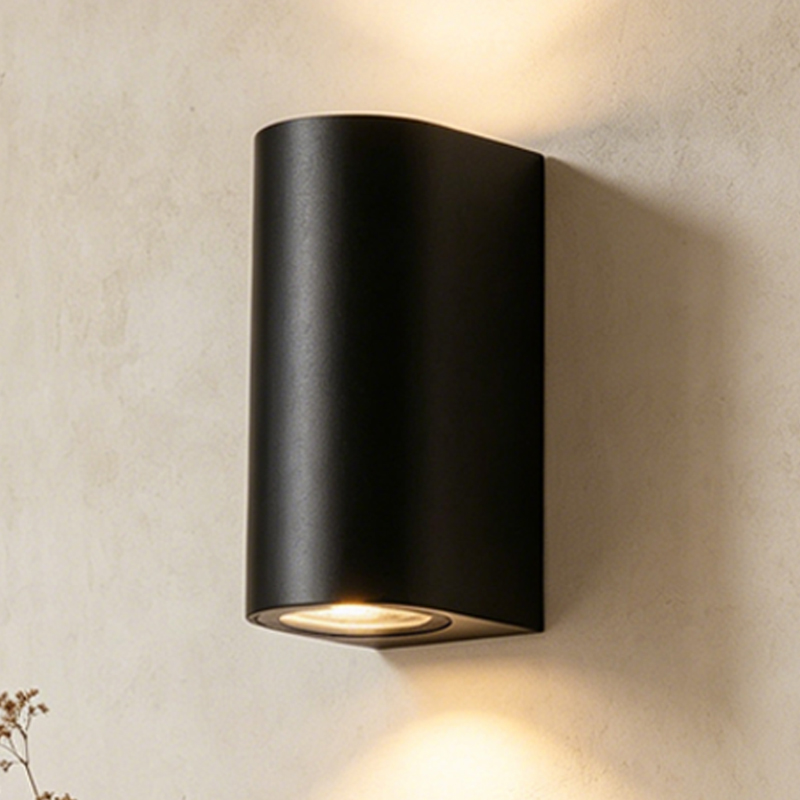
By proactively addressing these potential issues, you can  maintain an efficient and effective lighting system in  your commercial space. Additionally, incorporating advanced options like the LED Wall Light IP65 Crystal Outdoor Exterior Modern can enhance your lighting setup.

In summary, sourcing and implementing overhead lighting  requires careful consideration of specifications, installation practices, and potential problems. By  following the  guidelines outlined, you can make  informed  decisions that enhance the functionality and safety of your commercial environment.

Where to Source Quality Overhead Lighting for Wholesale Orders

When sourcing overhead lighting for wholesale  orders,  it  is vital  to partner with reputable manufacturers that meet  industry  standards. Look for  suppliers like  iGUANGZHOU I-ESSENCE ELECTRIC CO., LTD., which specializes in compliant lighting solutions  and boasts certifications such as CE and UL. These certifications ensure that the products meet safety and performance benchmarks  required in  markets such as those served  by major retailers like Walmart and Costco. You might also consider products like the IP65 Waterproof LED Wall Light 12W Up Down Outdoor Aluminum Sconce for your lighting needs.

Consider contacting manufacturers directly  to explore custom options that can cater  to specific applications. Understanding the  minimum order quantity (MOQ) is also important, as it  can affect pricing and inventory  management. Be sure to request samples before placing bulk  orders to  assess product  quality firsthand.

Frequently Asked Questions

What types of overhead lighting do you offer?

We manufacture ceiling and overhead fixtures including recessed, surface-mount, panel, and industrial high-bay options suitable for residential and commercial spaces.
Yes. Our overhead lighting carries CE, UL, and ERP certifications and is produced under TUV and BSCI management systems for global compliance.
Yes. We provide customization for size, wattage, color temperature, dimming, and mounting to meet retailer or project requirements.
Yes. We supply compliant overhead lighting at scale and have experience fulfilling large retail chains and commercial procurement needs.
We offer manufacturer warranties and technical support for installation, replacement parts, and product performance to ensure long-term reliability.

Get a Free Quote

Our representative will contact you soon.
0/1000