Key Specifications for Quality Office Lamps

application/office-lamp, application/office-lamp, 
Inquiry
Inquiry

office lamp

In today's  fast-paced  work environment,  effective office lighting is  essential for productivity and  employee comfort. The right office lamp not  only illuminates workspaces  but also enhances  aesthetics  and ergonomics. For  B2B buyers, understanding the  specifications, applications, and cost considerations of office lamps is critical when making purchasing  decisions.  This article will guide  you through  key specifications, common applications, cost factors, installation guidance,  and solutions to  typical  problems associated with  office lamps, helping you make informed decisions  for your organization. For instance, if you're interested in outdoor options, consider the IP65 Waterproof LED Wall Light 12W Up Down Outdoor Aluminum Sconce for effective illumination.

Top Applications for Office Lamps in Diverse Work Environments

Office lamps are versatile and can be utilized  in various settings,  each requiring  specific features to enhance functionality.

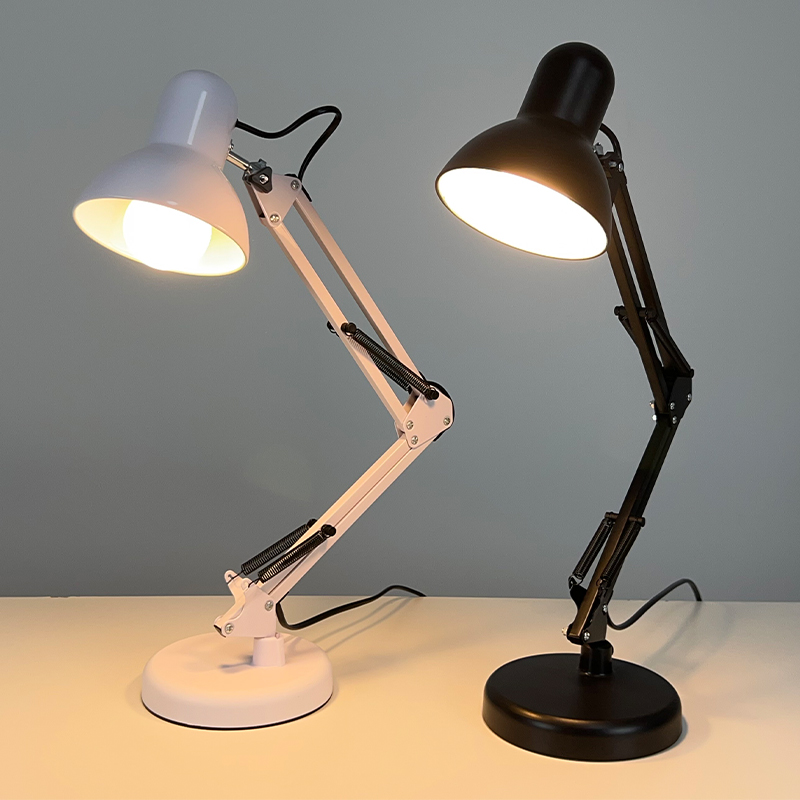
Desks and Workstations: Desk lamps are essential for individual workspaces. Adjustable models with focused lighting are ideal for tasks requiring attention to detail, such as writing,  drawing, or using computers.

Meeting  Rooms:  In collaborative environments, floor and ceiling lamps can provide general lighting while table lamps can  offer localized  illumination. Consider models with dimming capabilities to adjust lighting based on the time  of day or activity.

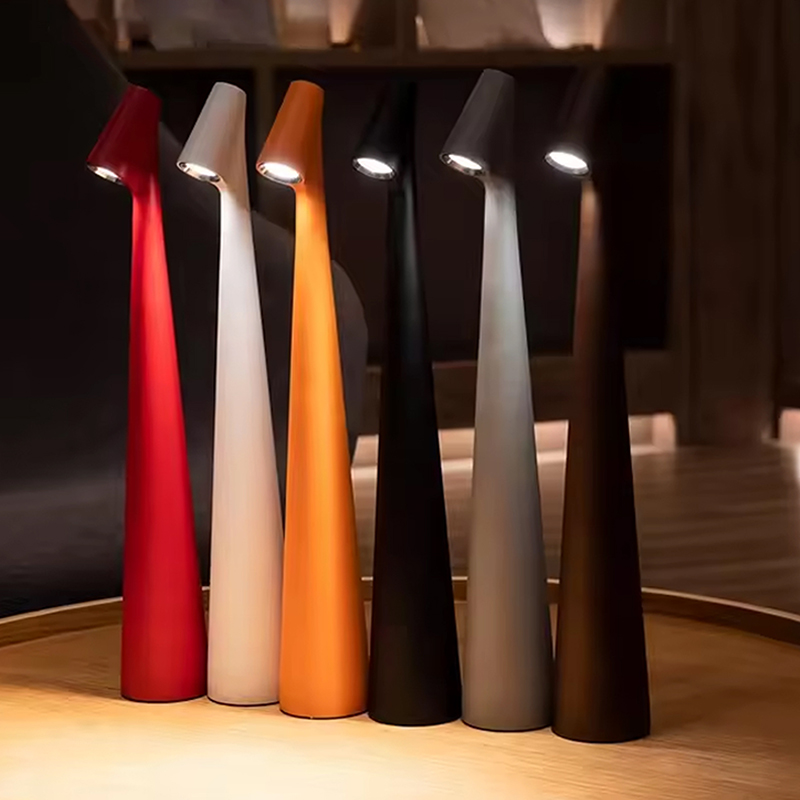
Reception Areas: Aesthetic appeal is crucial in reception areas where first impressions are formed. Stylish floor or pendant lamps can enhance the overall design while providing adequate  lighting for visitors.

Break Rooms: Comfortable lighting  is important in rest areas to  create a relaxed atmosphere. Lamps with warmer color  temperatures can help foster a calming environment for  employees  to recharge. For example, the Waterproof Wall Light IP65 E27 Up Down Outdoor Indoor can be a great addition here.

Workshops and Manufacturing  Areas: In industrial settings, robust  and durable lamps that can withstand harsh conditions are necessary. Look for lamps with higher IP ratings for dust and moisture resistance to ensure longevity and safety.

By understanding these applications,  buyers can select office lamps that enhance functionality and contribute to a positive  work environment.

Understanding the Cost Factors for Bulk Office Lamp Orders

When ordering office lamps in bulk, several cost factors must be considered to ensure budget adherence and value for money.

Unit Price vs. Total Cost: While unit price is a fundamental consideration, the total cost of ownership should  also be evaluated.  This includes energy  consumption, maintenance,  and replacement  costs. Energy-efficient  lamps may have a higher initial price but can lead to significant savings in the  long run.

Minimum Order Quantities (MOQ): Many manufacturers, including  iGUANGZHOU I-ESSENCE  ELECTRIC CO., LTD., may have MOQ requirements.  Understanding these can help buyers plan their purchases effectively and negotiate  better pricing.

Customization Costs: If specific features or designs are required, customization may  incur additional costs. Buyers should clearly communicate  their needs  to suppliers to receive  accurate quotes for custom orders.

Shipping and Handling: Bulk orders can incur significant shipping costs. Consideration of shipping methods  and potential import duties is crucial for calculating the total expenditure.

Volume  Discounts: Many suppliers offer discounts on larger orders. Buyers should inquire about pricing tiers based on order  size to maximize savings.

By understanding these cost  factors, purchasing managers can make strategic decisions that align with their budgetary constraints while ensuring quality and compliance.

Installation Guidance for Various Types of Office Lamps

Proper installation of office  lamps is vital for ensuring safety  and optimal performance. Here are some installation tips based on lamp types:

Desk and Table Lamps: Ensure that  the lamp is positioned to avoid glare on screens and work surfaces. The light source should be at eye level or slightly below to  minimize eye strain. Verify that  the power cords are secured and do not pose tripping hazards.

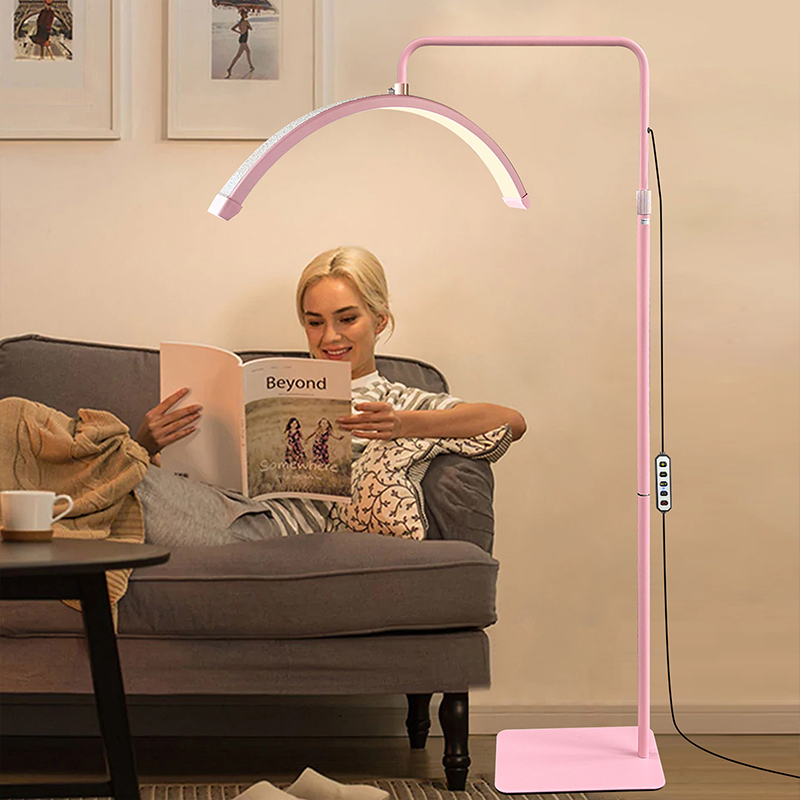
Floor Lamps: These should be positioned in areas where they can illuminate broad sections of the  room without obstructing movement. Verify  stability, especially  in high-traffic areas, to prevent tipping.

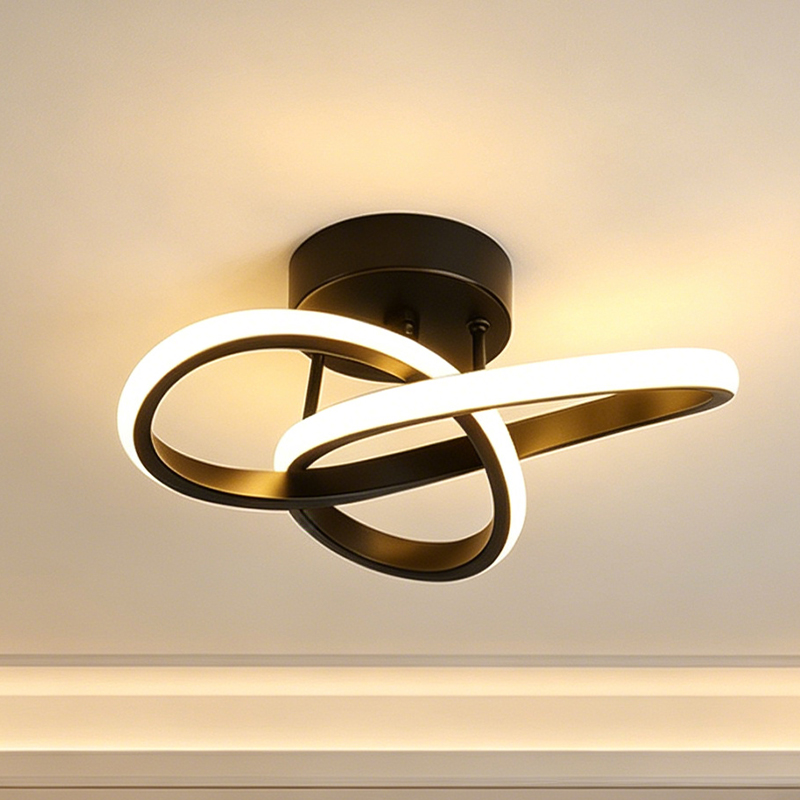
Ceiling Lamps and Fixtures: When installing ceiling lamps, ensure they are mounted securely  to avoid falling. If the fixture is recessed,  confirm that it complies with electrical codes and is suitable for the ceiling type.

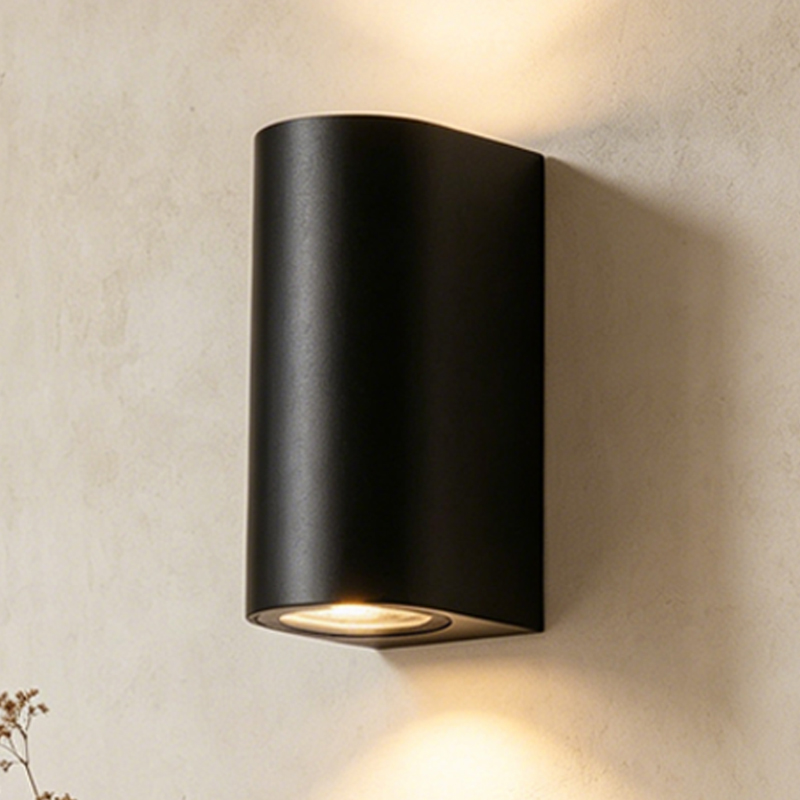
Wall Lamps: Proper placement  is essential to achieve the desired light spread. Ensure that wall-mounted  lamps are positioned at  a height that makes them easily accessible for maintenance.

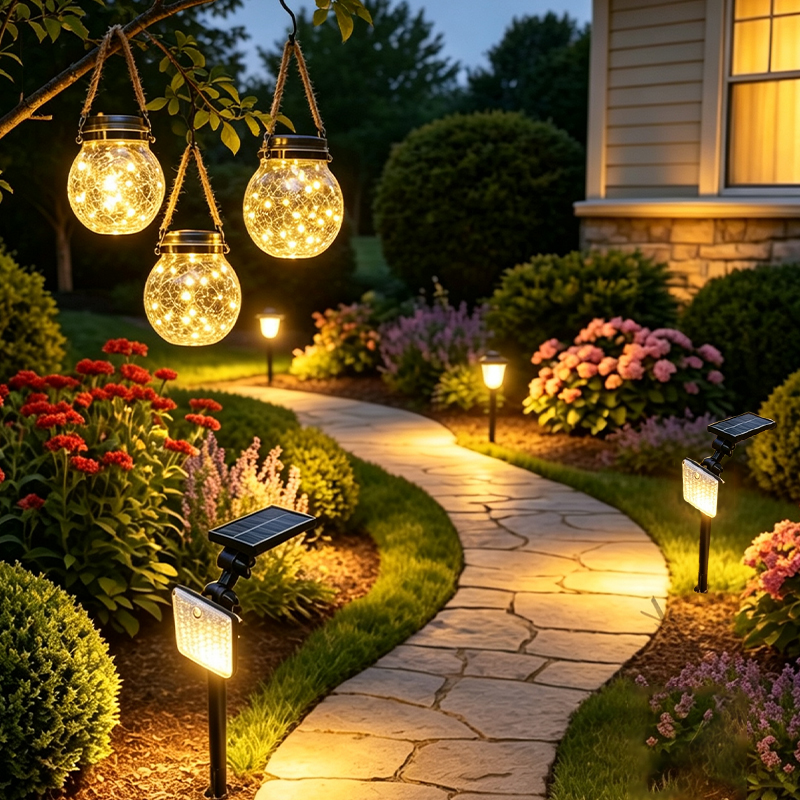
Solar Lamps: For solar-powered  lamps, positioning is crucial. Install them in areas that receive  ample sunlight to  ensure optimal performance. Regular maintenance checks  on the solar panels will help maintain efficiency.

By  following these installation guidelines, buyers  can ensure that their office lamps operate effectively and safely, contributing to a well-lit work environment.

Common Problems with Office Lamps and Effective Solutions

Despite their benefits, office lamps can encounter various issues that may affect their performance. Here are some common  problems and solutions:

Flickering Lights: This can indicate an issue with the bulb or electrical supply. Ensure that the bulb is properly installed and compatible with the fixture. If the  problem persists, check the wiring or consult an electrician.

Inadequate Brightness: If lamps  do not provide sufficient light,  consider the lumen output and evaluate whether the current wattage is adequate for the space. Upgrading to bulbs with higher lumens may be  necessary.

Overheating: If lamps become excessively hot,  it may indicate  a problem with the bulb type or fixture.  Verify that the lamp is suitable for the installed bulb and that the fixture is properly  ventilated.

Short Lifespan: If bulbs are  burning out quickly, check for issues like excessive voltage or incorrect wattage. Ensure  that the lamps are used as per  the manufacturer's recommendations.

Poor Color  Rendering: If  colors appear washed out or inaccurate, consider the CRI of the bulbs being used.  Switching to higher CRI bulbs  can improve color accuracy and overall aesthetics, such as using the LED Wall Light IP65 Crystal Outdoor Exterior Modern for better results.

By being aware of these common  problems and their solutions,  buyers  can ensure the longevity and performance of their office lamps,  ultimately contributing to a more productive work environment.

Key Specifications to Evaluate in High-Quality Office Lamps

When assessing office lamps, several key specifications should be prioritized  to ensure optimal performance and suitability for your workspace.

Lumens and Wattage: Lumens  measure the amount of light emitted, while wattage indicates energy consumption. A higher lumen output means brighter  lighting, which is crucial for tasks requiring focus. However, energy efficiency should also be considered to minimize operational costs.

Color Temperature: Measured in  Kelvins (K), color temperature affects the ambiance  of the workspace. Cooler temperatures (5000K-6500K) are often preferred for task-oriented areas, as they mimic daylight  and enhance alertness. Warmer temperatures (3000K-4000K) create a more  relaxed atmosphere, suitable for collaborative spaces.

CRI  (Color Rendering Index): This measures how  accurately a light  source displays colors compared to natural light.  A CRI of 80 or higher is recommended  for office environments, ensuring that colors appear true and vibrant, which can affect mood and productivity.

Adjustability  and Features: Some office lamps  come with  adjustable brightness levels or color temperature settings. Features  like motion sensors and  timers can also enhance energy  efficiency by ensuring lights are only on when needed.

Certifications: Ensure that the office lamps comply with relevant safety and performance standards. Certifications such as CE, UL,  and ERP indicate compliance with international safety and efficiency guidelines.

Understanding these specifications helps buyers select office  lamps that meet their specific needs while ensuring energy efficiency and compliance with regulatory standards.

Frequently Asked Questions

What types of office lamps do you offer?

We manufacture desk, table, floor, wall, ceiling, and solar office lamps suitable for various workspaces and environments.
Yes. Our lamps carry CE, UL, and ERP certifications and are produced under TUV and BSCI management systems.
Yes. We provide compliant lighting solutions tailored for global retailers and large volume orders with reliable quality control.
Yes. We provide customization and OEM/ODM services for design, color, packaging, and technical specifications to meet client requirements.
We offer product warranties and after-sales support; specific terms depend on the model and agreement. Contact us with model details for full warranty info.

Get a Free Quote

Our representative will contact you soon.
0/1000