Choosing the Right Night Light for Your Business

application/night-light, application/night-light, 
Inquiry
Inquiry

night light

Night lights are essential lighting  solutions designed to provide gentle illumination  in various settings, from residential homes to commercial spaces. As a B2B buyer, understanding  the  different types of night lights available, their features, and  how  they  can be integrated into your projects is crucial. This  article will guide  you  through selecting the right night light for your needs,  sourcing  reliable  suppliers, evaluating  quality and cost, installation  guidance,  and the diverse applications of  night  lights  in both residential  and commercial environments.

Where to Source Reliable Night Light Suppliers for Your Business

Finding trustworthy night light suppliers is crucial for ensuring  product quality and reliability. Here  are steps to help you identify suitable manufacturers:

Evaluate Certifications: Look for suppliers with certifications such as CE, UL, or ERP,  which indicate compliance with safety and environmental standards. For example, iGUANGZHOU I-ESSENCE ELECTRIC CO., LTD.  holds CE/UL/ERP  certifications, ensuring that their products meet  rigorous safety and  quality standards.

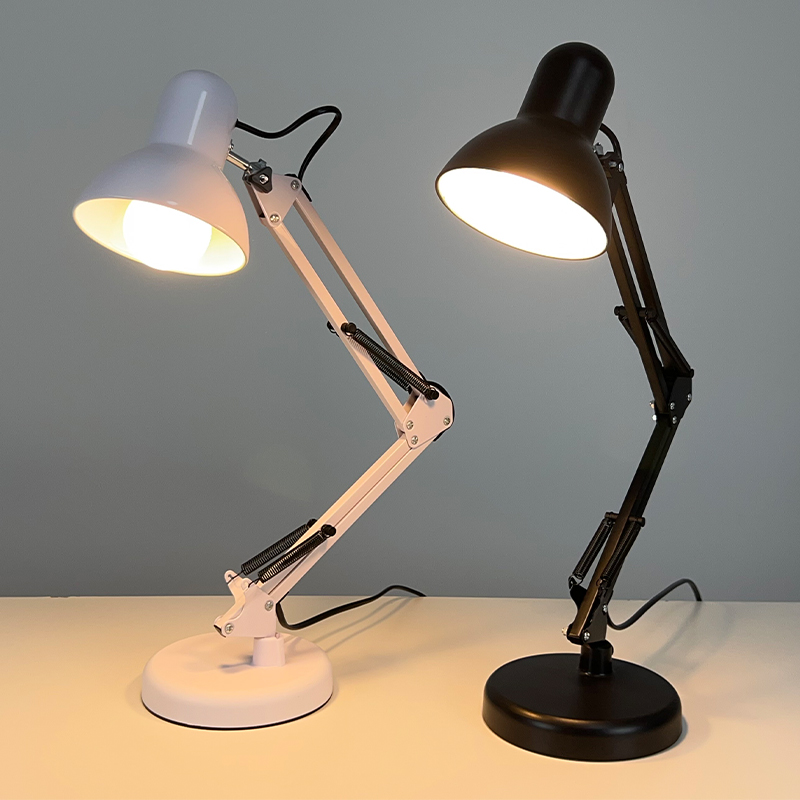
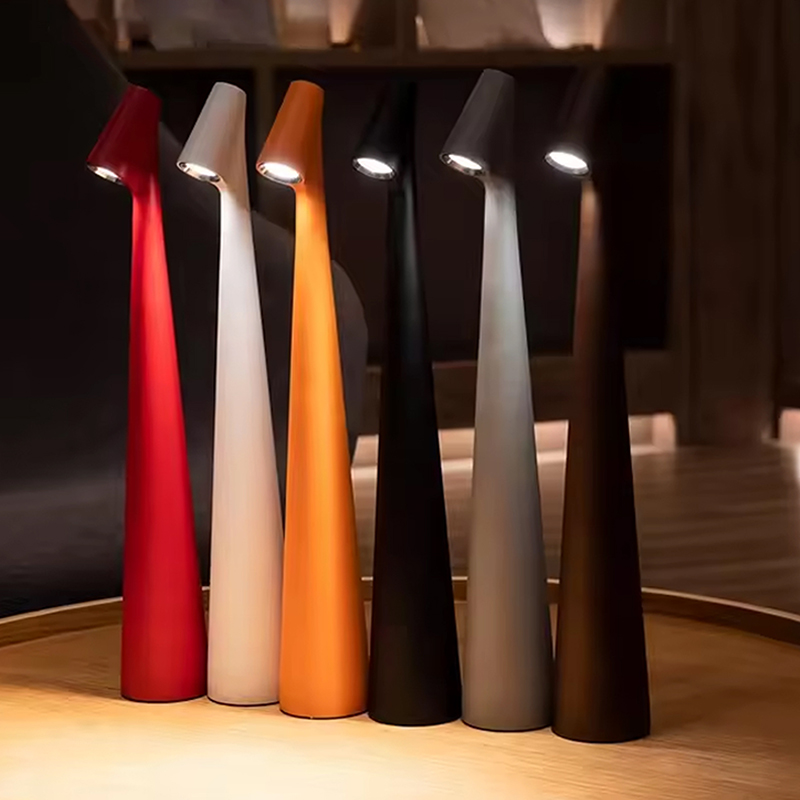
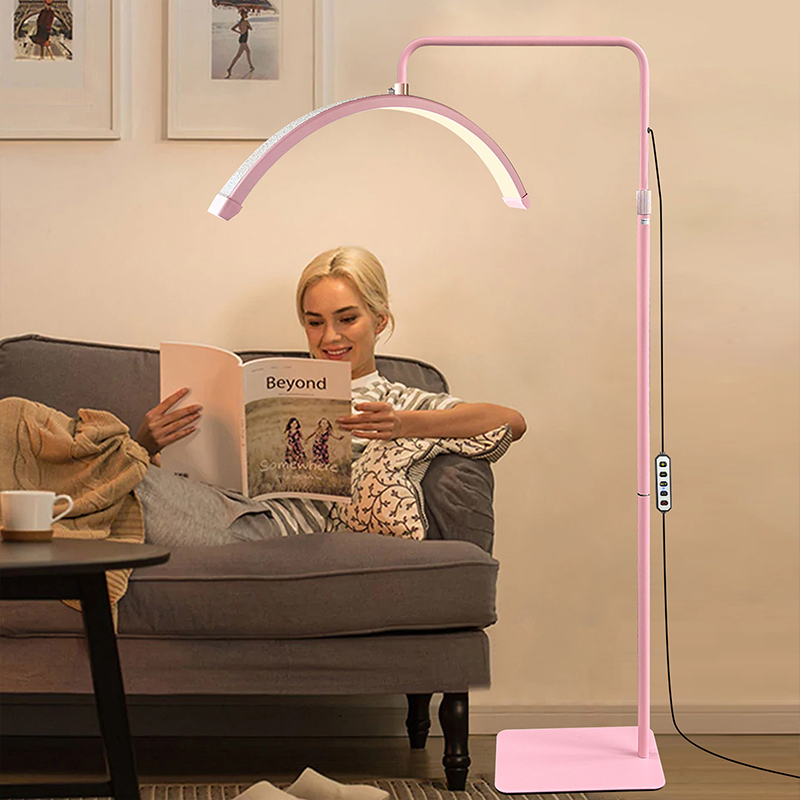
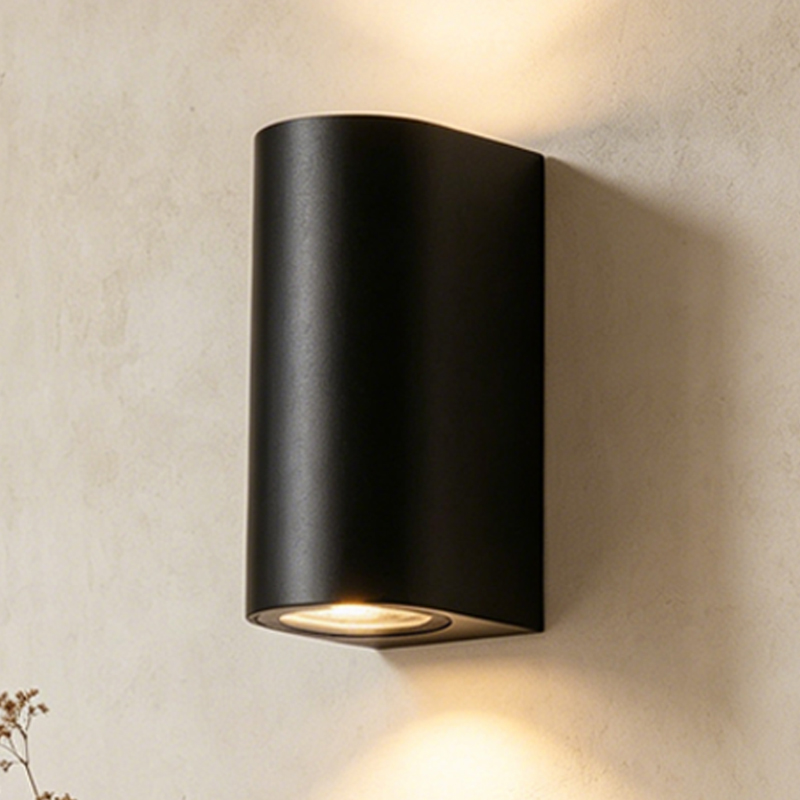
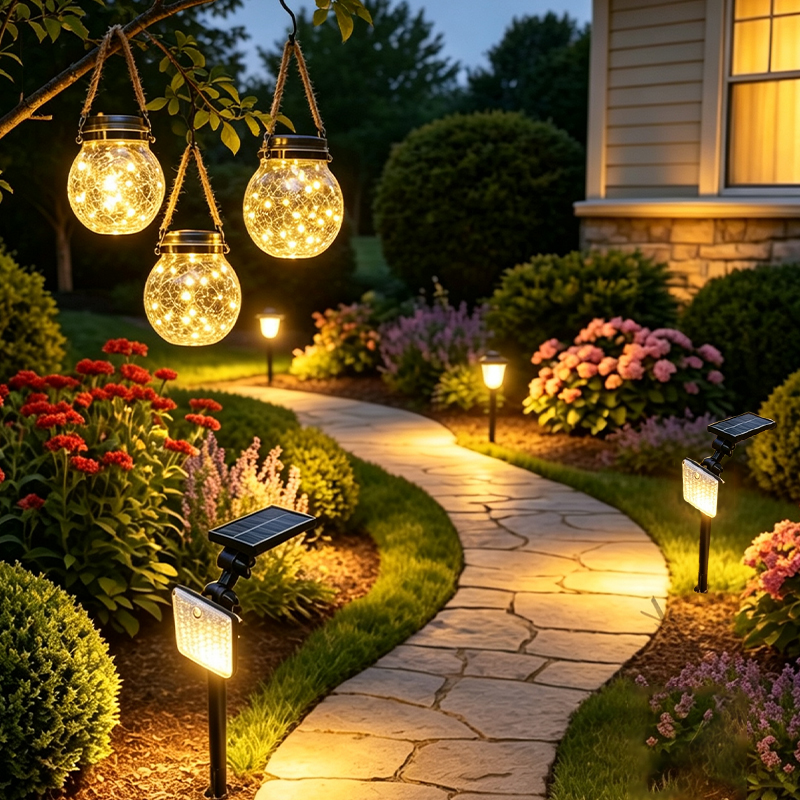
Assess Manufacturing Capabilities: Consider suppliers with robust manufacturing capabilities and experience in producing a  variety of  night lights. This includes understanding their production processes, quality control measures, and customization options. A supplier  like iGUANGZHOU I-ESSENCE  ELECTRIC CO., LTD. has extensive experience in manufacturing desk, table, floor, and wall lamps, providing a diverse range  of lighting solutions, including Solar Patio Light.

Request  Samples: Before placing bulk orders, request samples to  evaluate the product quality. Check for factors such  as material durability,  design accuracy, and functionality. Ensure that the supplier is open to feedback and  willing to make  adjustments based on your requirements.

Quality, Cost, and Features

When evaluating  night  lights, consider the balance between quality and cost. High-quality night lights that meet safety standards may have a higher upfront  cost, but they often provide better  performance and durability.

Material Selection: Common materials for  night lights include  plastic and  metal. Plastic models are typically lighter and less expensive,  while metal options may offer  enhanced durability and aesthetics. The choice of material can  affect not only the appearance but also the overall longevity of the product.

Cost  Factors: Prices can  vary based on features such as brightness  control, sensor capabilities, and energy efficiency. When comparing costs, consider the  total cost of ownership, which includes energy  consumption and potential maintenance or  replacement costs.

Feature Considerations: Additional features such as dimming options, color-changing capabilities, or smart technology integration can add value,  but they may  also increase the price. Assess whether these features align  with the needs of  your target market before making a decision.

Night Light Installation Guidance for Contractors and Distributors

Proper installation of night lights is essential to ensure optimal performance and safety. Here are key considerations for contractors and distributors:

Placement and Mounting: Identify ideal locations for installation based on user needs. For example, night lights in children’s bedrooms should be positioned within reach  but  out of direct sight to avoid distractions  at bedtime. In commercial settings, consider placement in hallways or common areas where visibility  is crucial.

Wiring and Power Source: Ensure that  the  night lights are  compatible with existing electrical  systems.  For hardwired options, verify that the installation complies with local electrical codes  and standards. If using plug-in  models, consider the proximity of outlets and any  potential cord management  issues.

Testing and  Quality Checks: After installation, conduct thorough testing  to ensure  that the night lights  operate correctly. Check for proper  illumination levels,  sensor functionality, and any potential flickering or dimming issues. Addressing  these concerns before finalizing installations can prevent customer dissatisfaction.

Applications of Night Lights in Residential and Commercial Spaces

Night lights serve diverse functions  across both residential and commercial environments. Understanding these applications can help  you identify market opportunities.

Residential Uses: In homes, night lights are commonly used in bedrooms, hallways, bathrooms, and nurseries. They  provide  safety by illuminating pathways during nighttime, reducing  the risk of  accidents. Additionally, they can help ease anxiety for children afraid of  the dark.

Commercial Uses:  In  commercial settings, night  lights play a vital role in enhancing  safety and visibility. They can be installed  in hotels, hospitals, and retail spaces to guide  visitors and improve overall navigation. Furthermore, they can be utilized in emergency exit areas to ensure compliance with safety regulations.

Special Applications: Beyond traditional uses, night lights  can also be employed in specialized applications such as medical facilities or elder care homes, where gentle illumination can aid those with mobility challenges. Understanding  the specific needs of these environments  can help tailor your product offerings to meet customer demands.

By carefully considering  these aspects when selecting night lights, sourcing suppliers, evaluating quality, and understanding installation  and applications, you can make informed purchasing decisions  that align with your project needs and business objectives.

How to Choose the Right Night Light for Your Project Needs

When selecting  a night light, consider the specific requirements of your  project, including size, brightness, energy efficiency, and design aesthetics. Start by determining  the intended use—whether for a child's bedroom, a hallway, or a  commercial  space.

Brightness and Light Color: The brightness of a night light is typically measured in lumens. For  a subtle glow in a child's room,  a lower lumen count (around 10-50 lumens) is often sufficient, while hallways may  require brighter options (50-100 lumens). Additionally, the color temperature—usually measured in Kelvin—can  affect the ambiance.  Warmer  tones (2700K-3000K) promote relaxation, while cooler tones (4000K-5000K) can enhance alertness.

Energy Efficiency: Look for  night lights that use LED technology, as they consume significantly  less energy than traditional incandescent bulbs and have longer lifespans. This not only reduces operational costs but also  aligns with sustainability goals. For instance, products like Solar Lamp can provide efficient lighting solutions.

Design and Features: Consider the night  light’s design to ensure  it  fits seamlessly into  the intended environment. Options with sensors that automatically turn  on in low light can enhance convenience and energy savings. Some night lights also offer adjustable brightness settings, allowing for customization based on the time of day or user preference.

Frequently Asked Questions

What types of night lights do you manufacture?

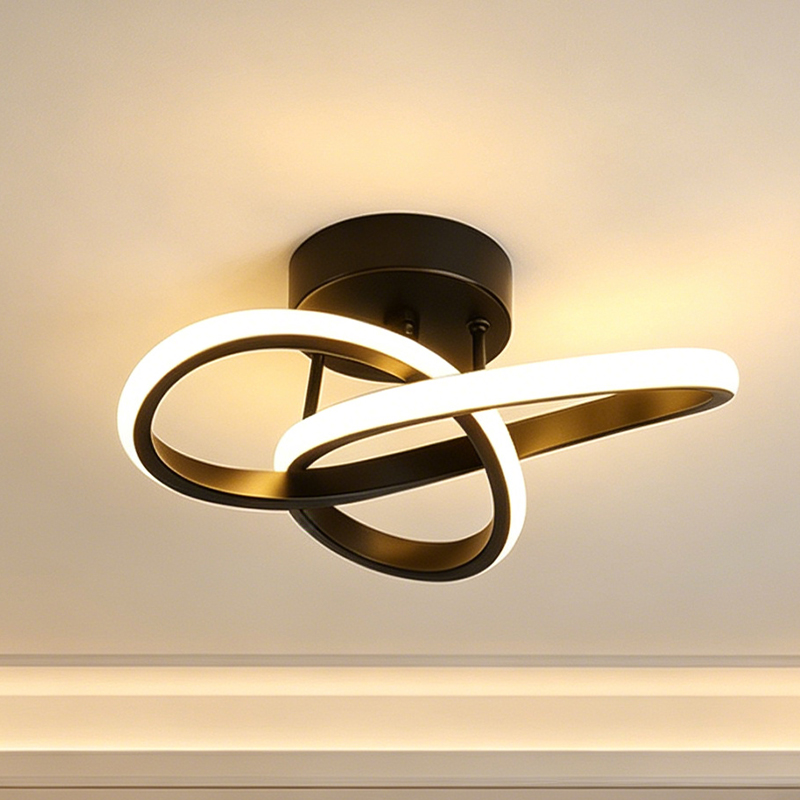
We produce desk, table, floor, wall, ceiling and solar night lights designed for indoor and outdoor use, meeting CE/UL/ERP standards.
Yes. Our night lights carry CE, UL and ERP certifications and are produced under TUV/BSCI management systems.
Yes. Our manufacturing and certification standards support compliance requirements for major global retailers and large-volume orders.
Yes. We offer energy-efficient LED models and solar-powered night lights optimized for low power consumption and longevity.
We provide manufacturer warranty and after-sales support for defects and compliance issues. Contact our sales team for specific warranty terms and service procedures.

Get a Free Quote

Our representative will contact you soon.
0/1000