Comparing Different Materials Used in Corner Lamp Manufacturing
The choice of materials in corner lamp manufacturing significantly affects durability, aesthetics, and functionality. Common materials include wood, metal, and plastic, each possessing distinct advantages and drawbacks.
Wood: Offers a classic, warm aesthetic, suitable for traditional or rustic designs. However, wood can be heavier and may require more maintenance to prevent damage from moisture.
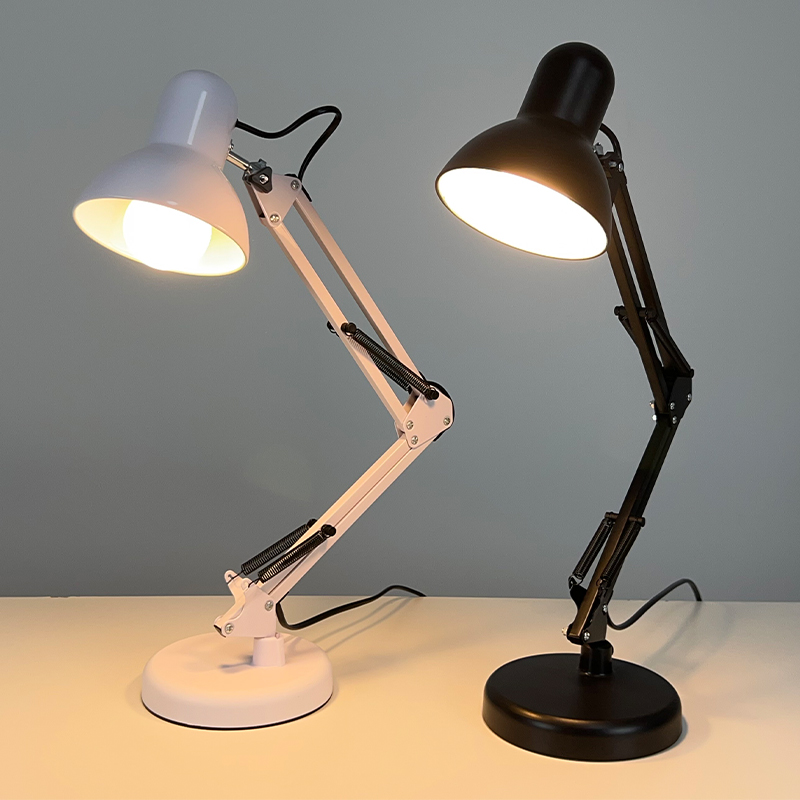
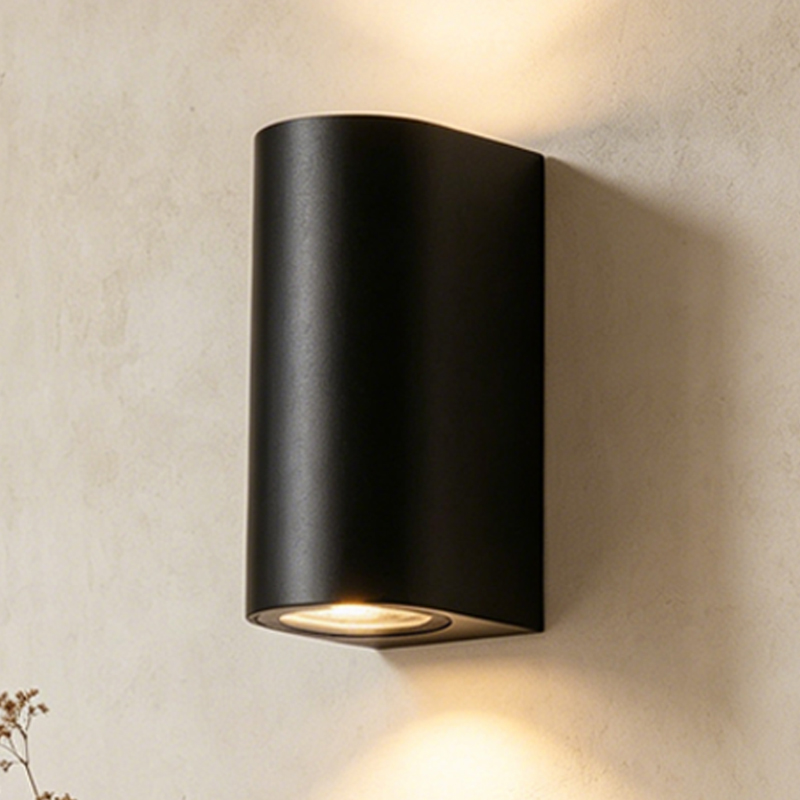
Metal: Known for durability and modern appeal, metal lamps can withstand wear and tear. They often come in various finishes, allowing for design versatility. However, metal can be prone to rust if not properly coated.
Plastic: Lightweight and often more affordable, plastic lamps can be manufactured in various colors and styles. However, they may not offer the same level of durability or upscale appearance as wood or metal options.
When sourcing corner lamps, it’s essential to confirm the material's suitability for the intended application, including considerations like load-bearing capacity and exposure to environmental factors. Customization options may allow buyers to select specific materials that align with their project goals.
By understanding these aspects, B2B buyers can make informed decisions when selecting corner lamps, ensuring they meet both aesthetic and functional requirements for their projects.
 EN